





What Are PRP Injections and How Can They Help You?
PRP Injections use your body’s own healing power to treat pain and injuries. Here’s what you need to know:
- What it is: Platelet-Rich Plasma (PRP) is a concentration of your own blood platelets, rich in growth factors that promote healing.
- How it works: A small blood sample is drawn, processed to concentrate platelets, then injected into the injured area.
- What it treats: Chronic joint pain, tendon injuries, osteoarthritis, muscle strains, plantar fasciitis, and even hair loss.
- Key benefits: Natural, minimally invasive, low risk of side effects, and may help you avoid surgery.
- Results timeline: Pain relief may begin in several weeks; fuller results often take 1-3 months for joints and 6-12 months for hair growth.
PRP injections have become increasingly popular because they tap into your body’s natural regenerative abilities. Instead of relying solely on medications or considering surgery, this treatment concentrates the healing components already present in your blood—specifically, platelets and their powerful growth factors. When these platelets are concentrated and injected precisely into damaged tissue, they create a healing response that may reduce pain and improve function.
This approach is particularly valuable for people dealing with chronic conditions that haven’t responded to rest, physical therapy, or medication. It’s also an option for those who want to explore alternatives before committing to surgery. The research shows promising results, especially for conditions like knee osteoarthritis, and for the estimated 50 million men and 30 million women in the United States experiencing hereditary hair loss, PRP is a regenerative option that is being actively studied.
I’m Anna Slavin, Practice Manager at Global Clinic in Niles, where our team, with over 20 years of experience in the US and Europe, helps patients explore innovative treatments like PRP Injections. My passion is connecting patients with cutting-edge, non-surgical solutions that address the root cause of pain and restore quality of life. In this guide, we’ll walk you through everything you need to know about PRP therapy.
Understanding the Science: How PRP Injections Work
This section explains the fundamental science behind PRP, from the components of your blood to the detailed procedure used to create and administer the treatment.
What is Platelet-Rich Plasma?
Your blood is composed of plasma, red blood cells, white blood cells, and platelets. Platelets (thrombocytes) are small cells known for their role in clotting, but they also contain hundreds of proteins called growth factors. These growth factors are crucial for signaling your body to repair itself by stimulating cell reproduction and tissue regeneration.
Platelet-Rich Plasma (PRP) is a concentration of these powerful platelets in a small volume of plasma. By concentrating them, we can deliver concentrated growth factors directly to an injured area to support your body’s natural healing ability. For more information, you can read about Platelet-rich plasma on Wikipedia. You can also learn even More info about Platelet-Rich Plasma on our website.
The PRP Preparation and Injection Process
The process for PRP Injections is simple and typically completed in a single 30-40 minute office visit.
- Blood Draw: A small sample of your blood is drawn, similar to a routine blood test.
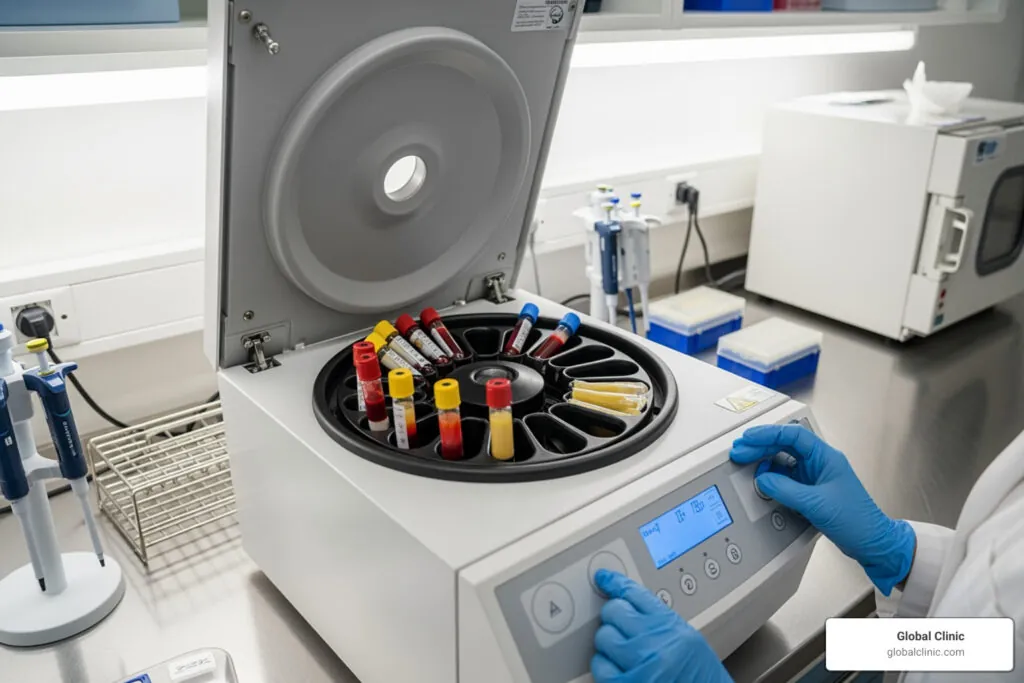
- Centrifugation: The blood sample is placed in a centrifuge, a machine that spins at high speed to separate the blood components. This process isolates and concentrates the platelets and their growth factors, sometimes up to 500% more than in normal blood. This step takes about 15-20 minutes.
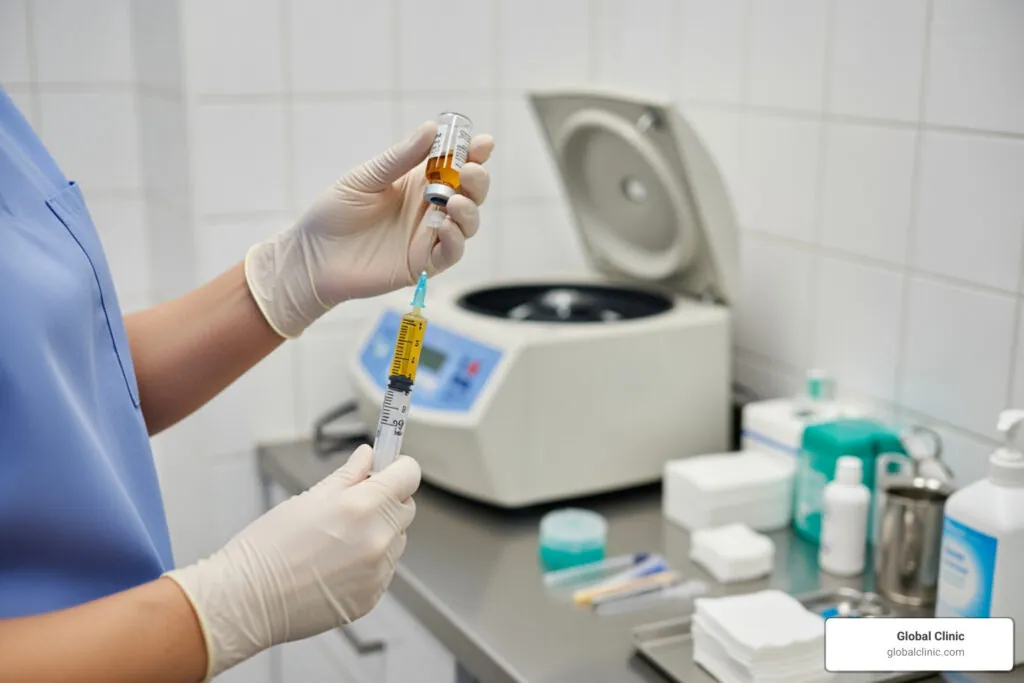
- Injection: The treatment area is numbed with a local anesthetic. The concentrated PRP is injected directly into the injured tissue, with imaging guidance such as ultrasound when appropriate, to help deliver the growth factors where they are needed most.
Applications and Benefits of PRP Therapy
PRP Injections are a versatile approach for a range of conditions, leveraging your body’s natural healing abilities. From persistent injuries to cosmetic concerns, PRP can be an alternative or complement to traditional treatments.
Conditions Treated with PRP
PRP therapy is used to treat conditions where tissue repair and regeneration are crucial. It is commonly used for:
- Musculoskeletal Pain and Sports Injuries: PRP may help chronic tendon injuries like tennis elbow, golfer’s elbow, Achilles tendinitis, and jumper’s knee. It is also used for acute ligament and muscle injuries to support recovery.
- Osteoarthritis: For mild to moderate knee osteoarthritis, PRP has shown promising results in reducing pain and stiffness, with effects potentially lasting up to two years. It is also used for other joints like the hip, shoulder, and ankle. If you’re Living with Knee Arthritis, PRP could be a valuable part of your treatment plan.
- Hair Loss (Androgenetic Alopecia): For hereditary hair loss, PRP injections into the scalp can stimulate dormant hair follicles, reduce shedding, and promote new hair growth.
- Skin Rejuvenation: In cosmetic applications, PRP (sometimes called a “vampire facelift”) can improve skin texture and tone, often used with treatments like microneedling.
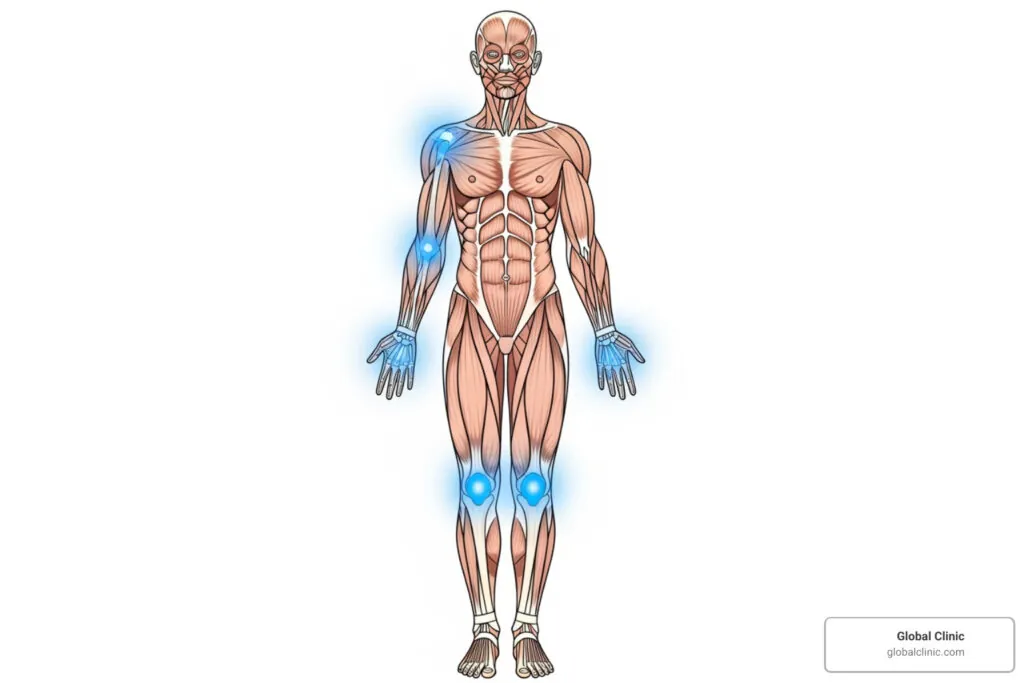
Our team in Niles offers PRP evaluations for patients across Northern Chicago.
The Key Benefits of Choosing PRP
The advantages of PRP Injections include:
- Natural Healing: PRP uses your body’s own growth factors to amplify its natural healing process.
- Low Risk: Since PRP is derived from your own blood, the risk of allergic reactions or disease transmission is very low.
- Minimally Invasive: PRP involves only injections, meaning no large incisions, no general anesthesia, and significantly less downtime than surgery.
- Reduced Need for Medication: By promoting healing, PRP can reduce the need for pain medications. We advise patients to avoid anti-inflammatories around the time of treatment to allow the natural healing process to work.
- Potential to Delay or Avoid Surgery: For some chronic conditions, PRP offers a non-surgical alternative, helping patients avoid the risks and recovery time associated with surgery.
Our PRP Pain Management Ultimate Guide offers more insights into how PRP can be a cornerstone of your recovery.
Efficacy, Safety, and What to Expect from Your PRP Injections
Understanding the effectiveness, risks, and recovery process is crucial when considering PRP Injections.
How Effective are PRP Injections?
The effectiveness of PRP Injections varies depending on the condition, the patient’s health, and the specific PRP preparation.
- Promising Results: While research is ongoing, some studies show benefits for certain conditions, particularly for specific tendon problems.
- Knee Osteoarthritis: PRP has shown promising results for mild to moderate knee osteoarthritis, with some studies showing positive results lasting up to two years.
- Hair Loss: Patients treated for hair loss often report high satisfaction, noting reduced hair loss and increased fullness.
- FDA Status: The equipment used to prepare PRP is FDA-cleared, but PRP therapy itself is considered investigational for most uses.
At Global Clinic, we stay current with the latest research on PRP effectiveness to provide the most informed care.
Potential Risks and Who Should Avoid PRP
A major advantage of PRP Injections is their low-risk profile, as the treatment uses your own blood.
- Common Side Effects: The most common side effects are temporary and mild, including soreness, swelling, or bruising at the injection site. This is a normal sign of the healing process beginning.
- Rare Risks: As with any injection, there is a small risk of infection, bleeding, or nerve damage. Our practitioners minimize these risks through sterile technique and imaging guidance when appropriate.
- Who Should Avoid PRP: PRP is not suitable for everyone. You should avoid it if you have platelet or bleeding disorders, active infections, or are taking anti-coagulation medications. It may also be less effective for heavy smokers or those with certain liver diseases. A thorough consultation is essential to determine if PRP is right for you.
For general information on the safety of similar treatments, see our page on Are PRF Injections Safe?.
Recovery and Results Timeline
Recovery from PRP Injections is typically quick with minimal downtime.
- Immediate Post-Injection: Expect mild to moderate soreness for 1-3 days. This is a normal part of the healing process. Ask your provider which pain relievers are appropriate; anti-inflammatory medications (like ibuprofen) and ice are often avoided for a period after treatment, as they may interfere with it. Do not stop prescribed medications without talking to your doctor.
- Return to Activity: Most people can resume light activities quickly. Strenuous exercise should be avoided for about 3-4 weeks. Your doctor will provide a personalized rehabilitation plan.
- Results Timeline:
- Joints & Muscles: Initial pain relief may be felt within a few weeks, with full results taking 1-3 months. One to three treatments are often recommended.
- Hair Loss: Results are slower, with improvements typically seen in 3-6 months and more noticeable changes within 9-12 months.
- Duration of Effects: The benefits of PRP can be long-lasting, with some studies showing relief for up to two years, especially for knee osteoarthritis.
Practical Considerations for Patients
Navigating a new treatment option involves more than just understanding the medical procedure itself. It also means considering how it fits into your life, comparing it to other available therapies, and knowing how to find the right medical professional.
How PRP Compares to Other Treatments
PRP Injections represent a unique approach within pain management and regenerative medicine. Here’s how they generally compare with common alternatives such as anti-inflammatory medications:
Mechanism
- PRP Injections: Stimulate the body’s natural healing and regeneration processes using concentrated growth factors from your own blood.
- Anti-inflammatory Medications (NSAIDs): Temporarily reduce inflammation and pain by blocking specific enzymes involved in the inflammatory response.
Risks
- PRP Injections: Very low risk of reaction or infection. Some temporary soreness and swelling at the injection site is common.
- Anti-inflammatory Medications: Potential for stomach upset, ulcers, bleeding, and kidney or cardiovascular issues with long-term use.
Duration of Effect
- PRP Injections: Aim for long-term healing and repair. Results can last from several months to over a year, depending on the condition.
- Anti-inflammatory Medications: Provide temporary relief from pain and inflammation. Symptoms usually return when the medication wears off.
PRP vs. Cortisone Injections: While cortisone shots can provide rapid, powerful anti-inflammatory relief, their effects are often temporary and can weaken tissue with repeated use. PRP, on the other hand, aims to heal the underlying tissue, offering the potential for long-term improvement.
PRP vs. Surgery: For some conditions, PRP offers a non-surgical alternative that may help delay or avoid more invasive procedures, without the risks and lengthy recovery time associated with surgery.
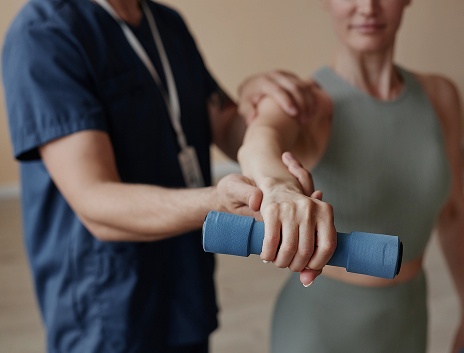
Physical therapy is often recommended alongside PRP Injections to strengthen the treated area and optimize results. For other injection-based treatments, explore our Joint Injection Therapy options.
Finding a Qualified Provider
Choosing the right provider for your PRP Injections is paramount to ensuring both safety and effectiveness.
- Importance of Experience: Look for a medical professional with significant experience in administering PRP, including a deep understanding of the underlying conditions and PRP preparation.
- Board-Certified Specialists: We recommend seeking care from board-certified specialists, such as an orthopedic specialist or a sports medicine physician, particularly for musculoskeletal issues.
- Questions to Ask Your Doctor: Ask your provider about their credentials, training in PRP therapy, and how many procedures they have performed. Inquire about their preparation protocol and post-treatment care.
- Our Commitment in Northern Chicago: At Global Clinic in Niles, our practitioners bring over 20 years of experience in the US and Europe. If you’re searching for “PRP Injections Near Me,” our PRP Injections Near Me Guide explains what to look for in a provider.
Frequently Asked Questions about PRP Injections
We understand that you might have more questions about PRP Injections. Here are some of the most common inquiries we receive from our patients.
How many PRP sessions will I need?
The number of PRP Injections required varies by the condition, its severity, and your individual response. Most patients require a series of 1 to 3 treatments, typically spaced several weeks apart to allow your body to heal. Your doctor will assess your condition and recommend a personalized treatment plan. While some patients see significant improvement after one injection, a full course often yields the best results.
Is the PRP procedure painful?
We take every measure to ensure your comfort. The treatment area is numbed with a local anesthetic, so you should only feel some pressure during the injection. It’s common to experience mild-to-moderate soreness at the injection site for a few days afterward, which is a normal sign that the PRP is stimulating your body’s healing response. Ask your provider which pain relievers are appropriate; anti-inflammatory medications are often avoided after PRP.
Who is a good candidate for PRP therapy?
You might be a good candidate for PRP Injections if you:
- Have chronic tendon or ligament injuries like tennis elbow, Achilles tendinitis, or plantar fasciitis.
- Suffer from mild to moderate osteoarthritis, especially in the knee, hip, or shoulder.
- Are experiencing hereditary hair loss (androgenetic alopecia).
- Want to explore non-surgical alternatives to avoid surgery or long-term medication.
- Have not found relief with conservative treatments like rest and physical therapy.
However, PRP is not suitable for everyone. Individuals with bleeding disorders, active infections, or those on certain blood-thinning medications may not be eligible. A comprehensive evaluation by a qualified medical professional at Global Clinic is the best way to determine if PRP Injections are right for you.
Conclusion: Take the Next Step in Your Healing Journey
PRP Injections offer a promising, minimally invasive option that harnesses your body’s natural healing abilities to treat a variety of pain conditions and promote tissue repair. By using your own concentrated platelets, this therapy can help you find relief and return to the activities you love. To determine if this innovative treatment is right for you, a consultation with an experienced provider is essential. At Global Clinic, we create personalized care plans to meet your unique health goals.
Learn more about our PRP Injections, or call our Niles clinic at (847) 299-7000 to request an appointment.