





Understanding Your PRP Timeline: What to Expect After Treatment
“How long do PRP injections last?” is one of the most common questions patients ask when considering this innovative regenerative treatment. Here’s what you need to know:
Quick Answer: PRP Duration by Treatment Type
- Musculoskeletal injuries (knee, shoulder, tendon): 6 to 12 months, sometimes up to 18-24 months
- Knee osteoarthritis: 6 to 9 months on average, up to 2 years with proper care
- Hair loss treatment: Initial series followed by maintenance every 6-12 months
- General pain relief: 6 to 18 months depending on condition severity and individual factors
The honest answer is that PRP results are not permanent. Instead, PRP stimulates your body’s natural healing process, and improvements can last anywhere from several months to over a year.
You’re considering Platelet-Rich Plasma therapy because you want relief that lasts. Maybe you’ve tried medications that only mask the pain temporarily. Maybe you’re hoping to avoid surgery. Or perhaps you’re tired of treatments that don’t address the root cause of your discomfort.
The truth is, PRP works differently than a quick fix. It uses growth factors from your own blood to support tissue repair. This means the timeline for results—and how long they last—depends on your body’s healing capacity, the condition being treated, and how well you support the recovery process.
Understanding what influences PRP longevity helps you set realistic expectations and get the most from this treatment. Some patients experience relief for six months. Others enjoy benefits for nearly two years. The difference often comes down to factors, some of which you can influence.
I’m Anna Slavin, Practice Manager at Global Clinic, where we help Northern Chicago patients understand their options for regenerative medicine, including how long PRP injections may last for their specific conditions. Drawing on more than 20 years of experience, our team has seen how proper aftercare and realistic expectations lead to the most satisfying outcomes.
How Long Do PRP Injections Last? The General Timeline
Platelet-Rich Plasma (PRP) therapy is an innovative regenerative medicine approach that leverages your body’s innate healing abilities. It’s a popular and innovative treatment, particularly in orthopedics, for conditions that are difficult to treat and not resolving with conventional methods. When we talk about how long PRP injections last, it’s crucial to understand that PRP is not a permanent solution, but rather a catalyst for your body’s natural repair mechanisms.
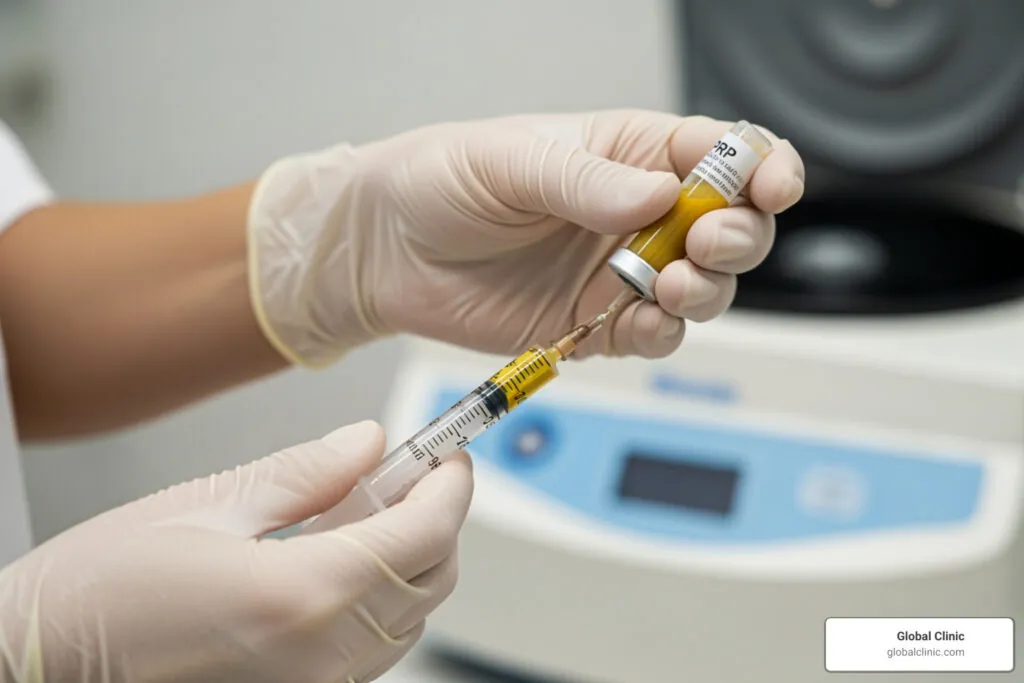
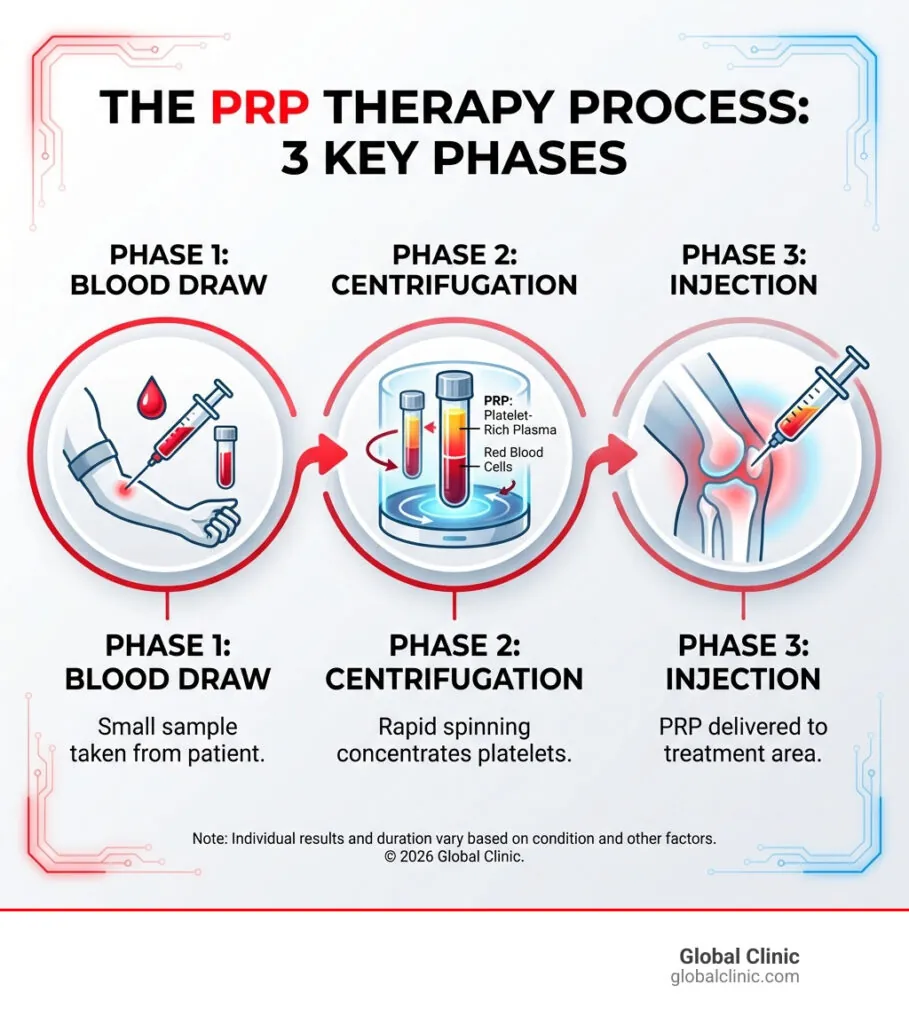
PRP works by concentrating platelets from your own blood, which are rich in growth factors. These growth factors play a vital role in stimulating cellular reproduction and tissue regeneration, essentially giving your body a powerful boost to heal itself. This process is about enhancing your natural healing, not introducing a foreign substance that provides a temporary mask for symptoms.
The general timeframe for the effects of a PRP injection can vary, typically lasting for six months to a year or longer, depending on your specific condition and how your body responds. Some patients experience benefits for up to two years. For joint injections, results are most noticeable after several weeks, while for scalp injections (for hair loss), it might take up to six months to see significant changes.
It’s important to acknowledge that there’s significant variability in results. While many studies suggest that the relief offered by PRP injections can last six to nine months, and some treatments last up to two years, others may decrease in effectiveness after about nine months. This variability is often due to a lack of standardization in PRP preparation and the unique biological response of each patient.
The Initial Healing Phase
Immediately following a PRP injection, your body enters an initial healing phase. The concentrated platelets release a plethora of growth factors and mediators, such as TGF-β1, PDGF, bFGF, VEGF, EGF, and IGF-1. These powerful signaling molecules kickstart your body’s repair mechanisms.
It’s perfectly normal to experience some initial swelling and pain at the injection site. This discomfort is not a setback; it is an expected part of the inflammatory response that starts the healing cascade. It typically resolves within a few days.
The Long-Term Regenerative Impact
Beyond the initial inflammatory response, PRP continues to exert its effects over several months, leading to long-term regenerative impact. The growth factors stimulate tissue repair and rebuilding, encouraging the growth of new, healthy cells. This can involve processes like increased collagen production, which is essential for strengthening damaged tissues.
For musculoskeletal injuries, this means a gradual strengthening of tendons, ligaments, and cartilage. For hair loss, it translates to stimulating dormant hair follicles and extending the hair growth phase. The beauty of PRP is that it doesn’t just alleviate symptoms; it aims to improve the underlying tissue quality. This translates to gradual improvements in function, reduced pain, and improved mobility over several months, rather than an instant fix.
Factors That Influence the Longevity of Your PRP Results
We’ve established that how long PRP injections last isn’t a one-size-fits-all answer. The duration of your PRP results is a dynamic interplay of several factors, unique to each individual and their specific condition. Understanding these variables helps us tailor your treatment plan and set realistic expectations.
Your Personal Health Profile
Your body’s inherent capacity for healing plays a significant role in how long PRP benefits endure.
- Age and healing capacity: Generally, younger patients tend to have a more robust healing response and may sustain results longer. However, older adults can still achieve meaningful improvement.
- Overall health status: Your general health, including any chronic conditions, can influence the effectiveness and duration of PRP. A healthy immune system and good metabolic function contribute to better healing.
- Lifestyle choices:
- Diet: An anti-inflammatory diet rich in nutrients supports tissue repair.
- Smoking: Heavy smoking can impede healing and reduce PRP effectiveness.
- Alcohol: Excessive alcohol consumption can decrease platelet function and delay the effectiveness of the treatment.
- Activity level: Appropriate physical activity post-treatment, as guided by our specialists, can reinforce and prolong outcomes.
- The body’s natural inflammatory response: As PRP works by triggering a controlled inflammatory response to initiate healing, individual variations in this response can affect the outcome.
The Specifics of Your Condition
The nature of the problem we’re addressing with PRP is another critical determinant of longevity.
- Severity of the injury or condition: More severe or chronic conditions may require more extensive treatment or might have a shorter duration of effect compared to milder issues. For instance, advanced osteoarthritis might see benefits for a shorter period than early-stage arthritis.
- Acute vs. chronic issues: Acute injuries, where the body’s natural healing is already in motion, might respond differently than chronic conditions where healing has stalled. PRP can be a promising treatment for both acute and chronic musculoskeletal injuries.
- Location of the injection: Different tissues and body parts have varying healing potentials and blood supplies. For example, PRP for knee pain might last differently than PRP for hair loss on the scalp.
- Blood supply to the treated area: Tissues with richer blood supply tend to heal more effectively, potentially leading to longer-lasting PRP results.
How the PRP Treatment is Administered
The quality and precision of the PRP treatment itself significantly impact its longevity.
- PRP preparation and concentration: There is no one standardized process for preparing platelet-rich plasma, and different PRP products can have varying compositions, including platelet density and the inclusion of white blood cells. A high-quality PRP preparation with an appropriate platelet concentration is important for results.
- Number of injections in the series: For many conditions, a single PRP injection may provide satisfactory relief. However, for others, a series of one to three treatments, typically spaced two to six weeks apart, may be recommended for optimal and lasting results.
- Skill of the practitioner: The expertise and experience of the medical professional administering the injection are paramount. Precise injection into the target tissue ensures the growth factors are delivered exactly where they’re needed.
- Use of imaging guidance: Imaging such as ultrasound can be used to guide PRP injections. This increases accuracy and helps ensure the plasma is delivered to the precise location of injury, reducing potential pain and enhancing effectiveness.
The Healing Journey: From First Injection to Full Effect
Starting on PRP therapy means committing to a healing journey. It’s important to set realistic expectations: healing is a process, not a single event. The timeline for experiencing the full effects of your PRP treatment unfolds in phases, with each stage contributing to your overall recovery.
Weeks 1-2: The Inflammatory Response
Right after your PRP injection, your body immediately begins the initial inflammatory response. This is a critical first step in the healing cascade.
- Initial soreness or fullness: You can expect some swelling and pain at first. This is normal and a sign that the platelets are releasing their growth factors, activating your body’s natural healing mechanisms. This discomfort may last for a day or two, and typically resolves within one to two weeks.
- Platelets release growth factors: The concentrated platelets get to work, releasing their potent payload of growth factors into the injured area. These factors signal to the surrounding cells to begin repair.
- The body’s natural healing cascade is activated: This phase is all about initiation. Your body is recruiting new cells and beginning the complex process of tissue regeneration.
- Rest and recovery period: During these initial days, minimizing movement of the treated area is recommended to allow the healing process to establish itself. We advise limiting strenuous activities.
Weeks 2-6: Initial Improvements
As the initial inflammatory response subsides, you’ll likely start noticing the first signs of improvement.
- Pain reduction begins: Many patients report a gradual decrease in pain during this period. While not always dramatic, it’s a welcome relief that signifies the healing is progressing.
- Decreased inflammation: The acute inflammation gives way to a more controlled healing environment, leading to a reduction in swelling and discomfort.
- Noticeable functional improvements: You might begin to experience improved mobility and an increased ease of movement in the treated area. This could mean easier walking, climbing stairs, or participating in activities you enjoy.
- Improved mobility and ease of movement: Our goal at Global Clinic is to help you regain improved mobility and decrease inflammation, allowing you to return to an active lifestyle.
Months 2-6: Peak Regeneration and Results
This is often where the most significant and lasting benefits of PRP therapy become evident.
- Maximum pain relief: As tissue regeneration continues, many patients reach a point of maximum pain relief, allowing for a significant improvement in quality of life.
- Tissue healing and strengthening: Ongoing tissue repair may lead to stronger, more resilient tissue.
- Functional recovery: Many patients notice improved strength, stability, and range of motion in the treated area.
- Timeframe for seeing full results: While initial improvements can be seen earlier, the full healing or results, such as new hair growth or improved joint function, typically appear within this timeframe. Some individuals may continue to see improvements for several months beyond this.
Getting the Most From PRP: How to Extend the Benefits
We believe that PRP therapy is a partnership. While we provide the innovative treatment, your proactive role in aftercare and long-term wellness can significantly impact how long PRP injections last and how well they work. Protecting your results and supporting your body’s healing process is key to getting the most from treatment.
Follow Post-Treatment Instructions
Adhering to our post-treatment guidelines is crucial for optimal outcomes.
- Activity modification: We’ll provide specific instructions on limiting movement of the treated area, especially in the first 24-48 hours. This allows the PRP to settle and initiate the healing cascade without disruption. Gradual return to activity is key; for example, for musculoskeletal injections, patients typically progress to light activities within the first few days to two weeks.
- Avoiding anti-inflammatory medications (NSAIDs): This is a big one! NSAIDs like ibuprofen or aspirin can interfere with the natural healing process initiated by PRP. Your provider will tell you how long to avoid them after the procedure; do not stop any prescribed medication, such as aspirin, without talking to your doctor. If you need pain relief, ask your provider which option is appropriate; acetaminophen is often suggested because it does not affect platelet function.
- Managing initial discomfort: Applying ice to the injection site for 20 minutes on and 20 minutes off can help minimize swelling and discomfort. Elevation of the treated area can also decrease fluid buildup.
- Gradual return to activity: Don’t rush into heavy exercise. We’ll guide you through a phased return to physical activity, starting with low-impact exercises like walking or swimming, and gradually increasing duration and intensity. Listening to your body is crucial.
How to Extend PRP Benefits With Supportive Therapies
Complementary therapies may help support and prolong the benefits of PRP.
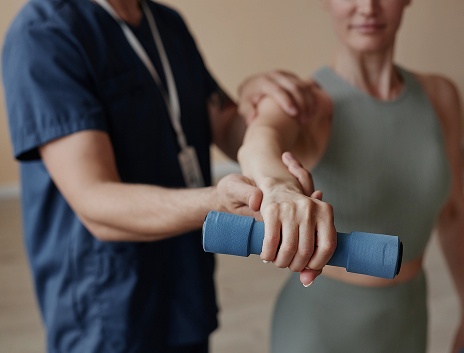
- Physical therapy: For musculoskeletal injuries, a structured physical therapy program is often recommended to reinforce and prolong outcomes. It helps rebuild strength, improve range of motion, and stabilize the treated area. Our physical therapists in Northern Chicago work closely with our regenerative medicine team to ensure integrated care.
- Strengthening exercises: Targeted exercises help to strengthen the muscles surrounding the treated area, providing support and stability.
- Stretching and flexibility: Maintaining flexibility can prevent stiffness and improve overall joint health.
- Musculoskeletal rehabilitation: A comprehensive rehabilitation program, often including elements of physical therapy, is designed to optimize recovery and function after PRP injections. We offer personalized musculoskeletal rehabilitation programs to support your healing.
Lifestyle and Nutrition
Your daily habits have a profound impact on your body’s ability to heal and maintain the benefits of PRP.
- Anti-inflammatory diet: A diet rich in whole foods, fruits, vegetables, and lean proteins can reduce systemic inflammation and provide the necessary building blocks for tissue repair.
- Proper hydration: Drinking plenty of water is essential for cellular function and overall health, supporting the healing environment.
- Avoiding smoking and excessive alcohol: Both smoking and heavy alcohol consumption can significantly impair your body’s healing processes and decrease platelet function, thus reducing the effectiveness and longevity of PRP.
- Maintaining a healthy weight: For conditions like knee osteoarthritis, maintaining a healthy weight reduces stress on your joints, which can help prolong the benefits of PRP.
Frequently Asked Questions About PRP Longevity
How long do PRP injections last for knee pain and musculoskeletal injuries?
For individuals experiencing knee pain or other musculoskeletal injuries, understanding how long PRP injections last is a primary concern. The duration of relief and regenerative effects can vary based on the specific condition, its severity, and individual patient factors.
- Knee osteoarthritis: For knee osteoarthritis, the effects of PRP treatment typically last between six and nine months. However, with proper post-treatment care and potentially maintenance injections, benefits can extend up to two years.
- Tendon injuries (e.g., rotator cuff, tennis elbow): For chronic tendinopathies like tennis elbow, Achilles tendinopathy, or rotator cuff issues, PRP results often last 6 to 18 months. Some studies suggest improvements lasting over a year. PRP continues to aid in healing the soft-tissue injury during this time.
- Typical duration: Across various joints, tendons, and orthopedic injuries, the typical duration is 6 to 12 months.
- Some individuals experience benefits for up to 18-24 months: This extended longevity is often observed in patients who are diligent with their post-treatment care and maintain a healthy lifestyle.
- May depend on arthritis severity: The stage and severity of arthritis can impact how long PRP effects last. Patients with mild to moderate osteoarthritis generally experience more prolonged benefits compared to those with severe degeneration.
What is the expected duration for PRP hair loss treatment?
PRP has emerged as a promising treatment for hair loss, particularly for androgenetic alopecia (pattern baldness). The timeline for results differs from musculoskeletal applications.
- Stimulating dormant hair follicles: PRP injections for hair loss work by stimulating dormant hair follicles and extending the hair growth phase through the release of various growth factors.
- Initial series of 3-4 treatments: To achieve noticeable results, an initial series of treatments is typically recommended. Most people start to see mild results within 3-6 months, with a more noticeable difference often observed within 9-12 months.
- Maintenance sessions needed every 6-12 months to sustain results: Since hair loss is an ongoing process, PRP for hair loss is not a one-and-done solution. To sustain the benefits, such as reduced hair loss and increased hair density, maintenance sessions are usually required every 6 to 12 months.
Are PRP injections a permanent solution?
This is a fundamental question, and the straightforward answer is no, PRP injections are not a permanent solution.
- Not permanent: While PRP can provide long-lasting relief and significant improvements, it does not offer a permanent cure for most conditions. The effects will eventually wane, and the underlying condition may progress or return over time.
- PRP stimulates and accelerates natural healing: PRP’s strength lies in its ability to harness and amplify your body’s natural healing processes. It aims to create a better environment for repair, helping damaged tissues heal.
- It does not stop the aging process or prevent future injuries: PRP cannot halt the natural aging process that contributes to conditions like osteoarthritis or hair loss, nor can it prevent future injuries or the recurrence of chronic conditions if risk factors persist.
- The goal is long-term relief and improved function: The aim of PRP therapy is to provide significant, long-term relief from pain, improve function, and improve your quality of life, often delaying or even helping you avoid more invasive interventions like surgery. It’s about optimizing your body’s health and function for as long as possible.
Conclusion
Understanding how long PRP injections last is important for anyone considering this innovative regenerative treatment. While the exact duration can vary, many patients experience benefits lasting several months or longer, although results vary. This longevity depends on a multitude of factors, including your individual health, the specific condition being treated, and the quality of the PRP preparation and administration.
PRP therapy is a partnership between you and your healthcare provider. By carefully following post-treatment instructions, engaging in supportive therapies like physical therapy, and maintaining a healthy lifestyle, you can play a significant role in extending the benefits of your PRP injections.
To understand if PRP is the right choice for your specific condition, a professional consultation is key. At Global Clinic, serving the Northern Chicago community, we pride ourselves on creating personalized regenerative medicine plans that integrate innovative treatments with comprehensive support. Our state-of-the-art facility and experienced team are dedicated to helping you achieve lasting relief and improved well-being.