






How Glutathione Influences Skin Pigmentation
Biological Mechanism of Action
To understand how a glutathione whitening drip influences your skin tone, we need to look at the cellular biology of pigmentation. Glutathione is a master antioxidant made up of three amino acids: cysteine, glycine, and glutamic acid. While its primary physiological job is neutralizing free radicals and processing toxins in the liver, it also interacts directly with melanocytes — the specialized skin cells responsible for producing melanin.
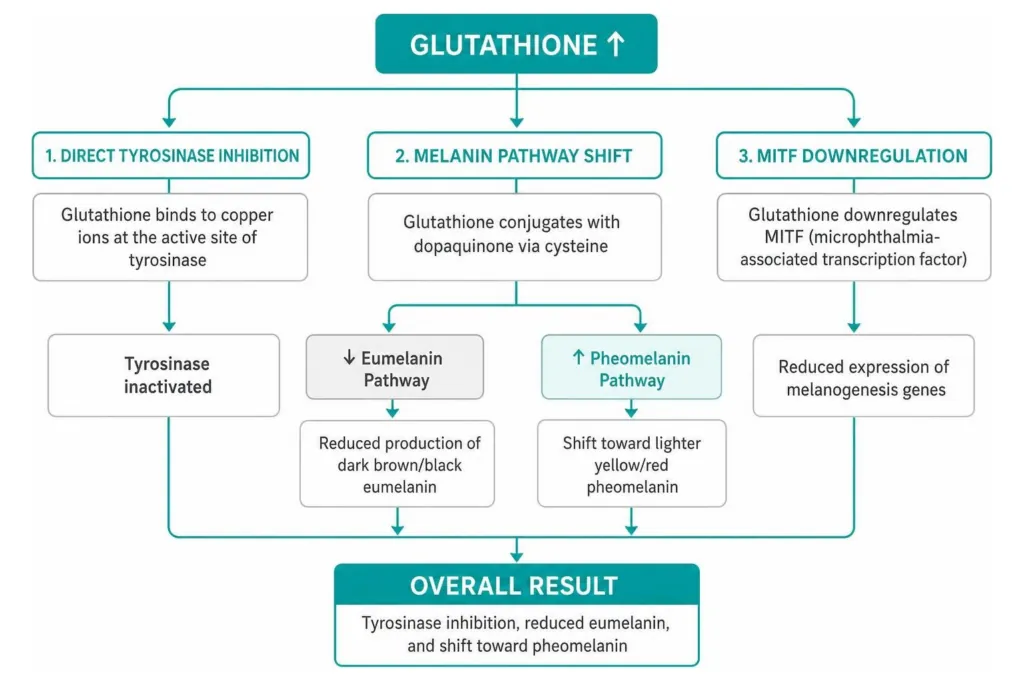
When melanocytes produce pigment, they rely heavily on an enzyme called tyrosinase. Glutathione inhibits tyrosinase in two distinct ways:
- Direct Tyrosinase Inhibition: Glutathione directly binds to the copper ions at the active catalytic site of the tyrosinase enzyme, effectively deactivating it before it can trigger pigment formation.
- Melanin Pathway Shift: Pigment falls into two categories: dark brown/black eumelanin and lighter yellow/red pheomelanin. Glutathione facilitates cysteine conjugation with dopaquinone, shifting the metabolic pathway away from dark eumelanin production and toward the lighter pheomelanin pathway.
- MITF Downregulation: It downregulates microphthalmia-associated transcription factor (MITF), the master genetic regulator of melanogenesis.
- Anti-Inflammatory Action: By suppressing inflammatory signaling molecules such as IL-6 and prostaglandins, glutathione helps prevent post-inflammatory hyperpigmentation caused by skin irritation, acne, or sun exposure.
Age-Related Glutathione Decline
Our natural internal production of glutathione does not stay constant throughout life. Research suggests that the body’s natural glutathione production gradually declines with age.
As internal antioxidant defense levels drop, cellular oxidative stress builds up across body tissues, including the dermis. Free radical damage from ultraviolet light, urban pollution, and routine physiological stress accelerates skin dullness, uneven pigmentation, and loss of natural radiance. Replenishing these cellular antioxidant reserves is a primary reason many adults seek supportive treatments. You can learn more about IV therapy for skin and how infusion care supports overall cellular vitality.
Evaluating the Efficacy and Methods of a Glutathione Whitening Drip
Comparing Delivery Routes: Oral, Topical, and Intravenous
Glutathione can be administered through several distinct delivery routes, each carrying a unique balance of cellular absorption, scientific evidence, and safety considerations.
- Oral Formulations: Standard oral capsules face digestive breakdown in the stomach, which limits how much reaches the bloodstream. Specialized formulations such as lozenges or sublingual tablets are designed to bypass early digestion. Small studies have reported some skin-lightening effects with these formulations. Modern esterified derivatives, such as glutathione monoethyl ester (GSH-MEE), also show promise in overcoming digestive degradation.
- Topical Applications: Topical glutathione formulations have shown results for localized hyperpigmentation in small studies. In dermatological studies measuring melasma severity, patients using a 2% topical lotion demonstrated a 67.4% reduction in their Modified Melasma Area Severity Index (mMASI) score after 90 days. Combining topical application with procedures like microneedling may improve absorption.
- Intravenous Administration: An IV drip delivers high-dose glutathione directly into the circulatory system, completely bypassing gastrointestinal degradation.
The Intravenous Approach: How a Glutathione Whitening Drip Works
In clinical trials examining high-dose IV administration (typically 1200 mg administered twice weekly over six weeks), approximately 37.5% of participants reported measurable skin lightening, compared to 18.7% in the control placebo group.
However, the skin-brightening effects achieved through high-dose systemic administration are strictly temporary. Studies suggest that without ongoing maintenance, observed pigment changes fade within six months after discontinuing therapy as melanocytes return to their baseline enzymatic activity. To understand the broader clinical landscape surrounding these treatments, review these evidence-based resources on glutathione drip safety considerations and the bright side and risks of glutathione IV.
Safety Risks, Regulatory Warnings, and Essential Precautions
FDA Warnings and Legal Status
Despite widespread marketing across medspas and wellness lounges, intravenous glutathione is not FDA-approved for skin lightening in the United States or anywhere else globally. Its legal medical approval is restricted to specific therapeutic off-label applications or adjunctive care during cisplatin chemotherapy.
Health watchdogs worldwide have issued sharp advisories regarding non-medical cosmetic administration:
- Philippine FDA: The Philippine FDA issued explicit public warnings against using high-dose IV glutathione for cosmetic skin whitening due to reported systemic organ risks.
- UK CTSI Warning: The Chartered Trading Standards Institute (CTSI) in the UK issued urgent safety warnings after investigations revealed over 300 beauty salons offering unregulated, unlicensed intravenous glutathione drips without physician supervision.
- Legislative Changes: Unregulated IV therapy incidents in commercial non-clinic settings have spurred tight legislative overhauls. In Texas, a fatal non-physician medspa IV event resulted in felony charges and the enactment of “Jenifer’s Law” in 2025, which strictly restricts delegated IV administration and mandates direct clinical oversight.
Documented Side Effects and Adverse Reactions
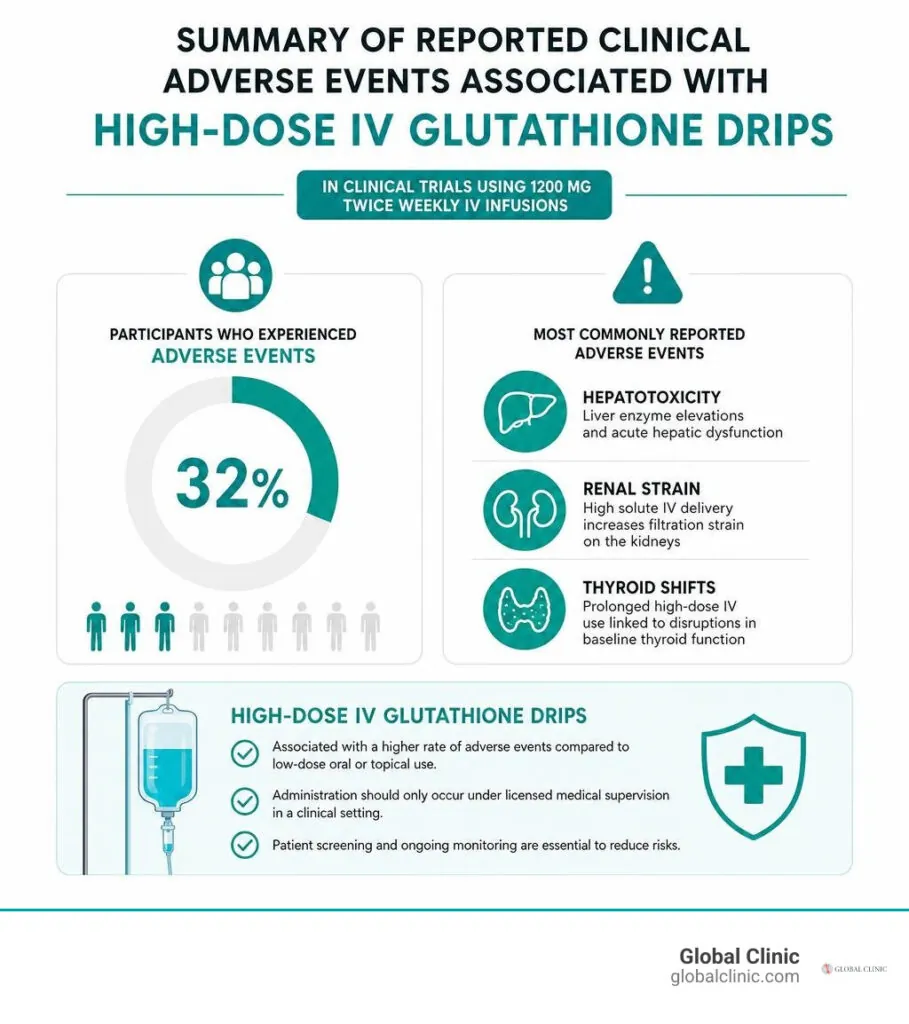
While low-dose oral and topical applications maintain exemplary safety records, high-dose intravenous administration carries documented clinical risks. In randomized clinical trials involving 1200 mg twice-weekly IV infusions, 32% of participants experienced adverse events.
Major documented health concerns include:
- Hepatotoxicity: Rapid or excessive systemic dosing can cause liver enzyme elevations and acute hepatic dysfunction.
- Renal Strain: High solute intravenous delivery places unnecessary filtration strain on the kidneys.
- Thyroid Shifts: Cross-sectional clinical studies have linked prolonged high-dose IV usage with disruptions in baseline thyroid function.
- Severe Cutaneous Reactions: Cases of life-threatening dermatological emergencies, including Stevens-Johnson syndrome (SJS) and toxic epidermal necrolysis (TEN), have been documented following IV cocktails containing glutathione, vitamin C, and other additives. SJS/TEN involves widespread skin detachment and mucosal ulceration, carrying mortality rates ranging from 10% to over 30%.
- Anaphylaxis & Sulfite Sensitivity: Because glutathione contains sulfur groups, susceptible individuals face risks of rapid-onset anaphylactic shock or severe bronchospasm.
- Infection & Contamination: Non-sterile compounding outside regulated 503A or 503B pharmacy facilities increases the risk of bacterial contamination, phlebitis, and systemic sepsis.
Questions to Ask Before Getting a Glutathione Whitening Drip
If you are considering any intravenous wellness infusion, never compromise on medical standards. Before agreeing to a drip, ask the facility these non-negotiable questions:
- Is there a licensed prescribing physician physically on site during administration?
- Are your IV formulations sourced directly from a licensed 503A or 503B compounding pharmacy?
- Do you perform baseline liver (ALT/AST) and kidney function blood panels before starting treatment?
- Does the clinical staff have emergency medical response equipment, including epinephrine, immediately available?
- How fast is the infusion drip rate controlled to prevent sudden blood pressure or cardiac shifts?
You can read an additional overview on glutathione injections to explore broader international clinical contexts.
Frequently Asked Questions
Is IV glutathione FDA-approved for skin whitening?
No. Intravenous glutathione is not approved by the U.S. FDA, the UK MHRA, or the Philippine FDA for cosmetic skin whitening. Any cosmetic use of IV glutathione is strictly off-label. Regulatory agencies repeatedly warn consumers against receiving high-dose IV whitening drips due to potential risks of liver toxicity, severe skin reactions, and systemic infections when administered in non-medical settings.
What are safer alternatives to IV glutathione drips for skin brightening?
Lower-risk alternatives to discuss with a provider include:
- Topical Formulations: Daily application of a 2% topical glutathione lotion, which has demonstrated up to a 67.4% reduction in melasma severity scores.
- Microneedling Combinations: Combining topical antioxidant serums with professional microneedling treatments may improve absorption without the risks of systemic exposure.
- Targeted Clinical Treatments: A dermatologist can discuss prescription topical treatments for hyperpigmentation. You can also ask about the skin rejuvenation treatments we offer, such as PRP, PRF, collagen, Profhilo, and Skinvive.
Who should avoid receiving high-dose intravenous glutathione?
Intravenous glutathione infusions should be strictly avoided by individuals with:
- Asthma: High-dose glutathione infusions can trigger severe bronchospasms and worsen asthma symptoms.
- Pre-Existing Liver or Kidney Disease: Impaired organ filtration increases the risk of toxic accumulation and systemic stress.
- Thyroid Disorders: Studies indicate possible thyroid hormone disruption during high-dose systemic therapy.
- Pregnancy or Breastfeeding: There is a lack of safety data regarding fetal development and nursing infants.
- Sulfite Sensitivities: Individuals with known sulfur allergies risk severe hypersensitivity or anaphylaxis.
Reclaim Your Radiance with Expert Medical Guidance
Achieving a vibrant, healthy complexion should never come at the expense of your overall health. At Global Pain & Spine Clinic, conveniently located in Niles, IL, and serving Northern Chicago communities — including Skokie, Glenview, Park Ridge, Morton Grove, Des Plaines, and Mount Prospect — we take a whole-body, patient-first approach to medical wellness.
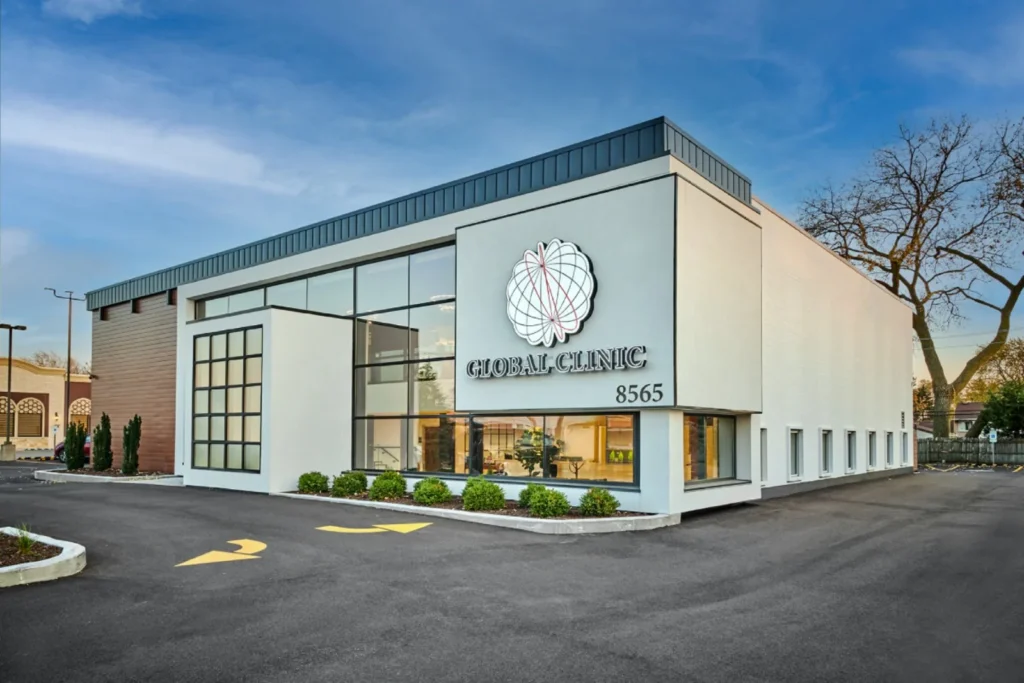
With over 20 years of clinical experience, our multidisciplinary team of licensed specialists prioritizes safety, medical screening, and evidence-based care above short-lived beauty trends. We evaluate your unique cellular health, perform appropriate diagnostic screenings, and craft personalized treatment protocols designed to enhance your vitality safely and sustainably.
If you are interested in boosting your antioxidant defenses or exploring medically supervised wellness care, we invite you to speak with our specialists today. Explore our IV infusion therapies or call our Niles clinic at (847) 299-7000 to schedule your comprehensive evaluation.