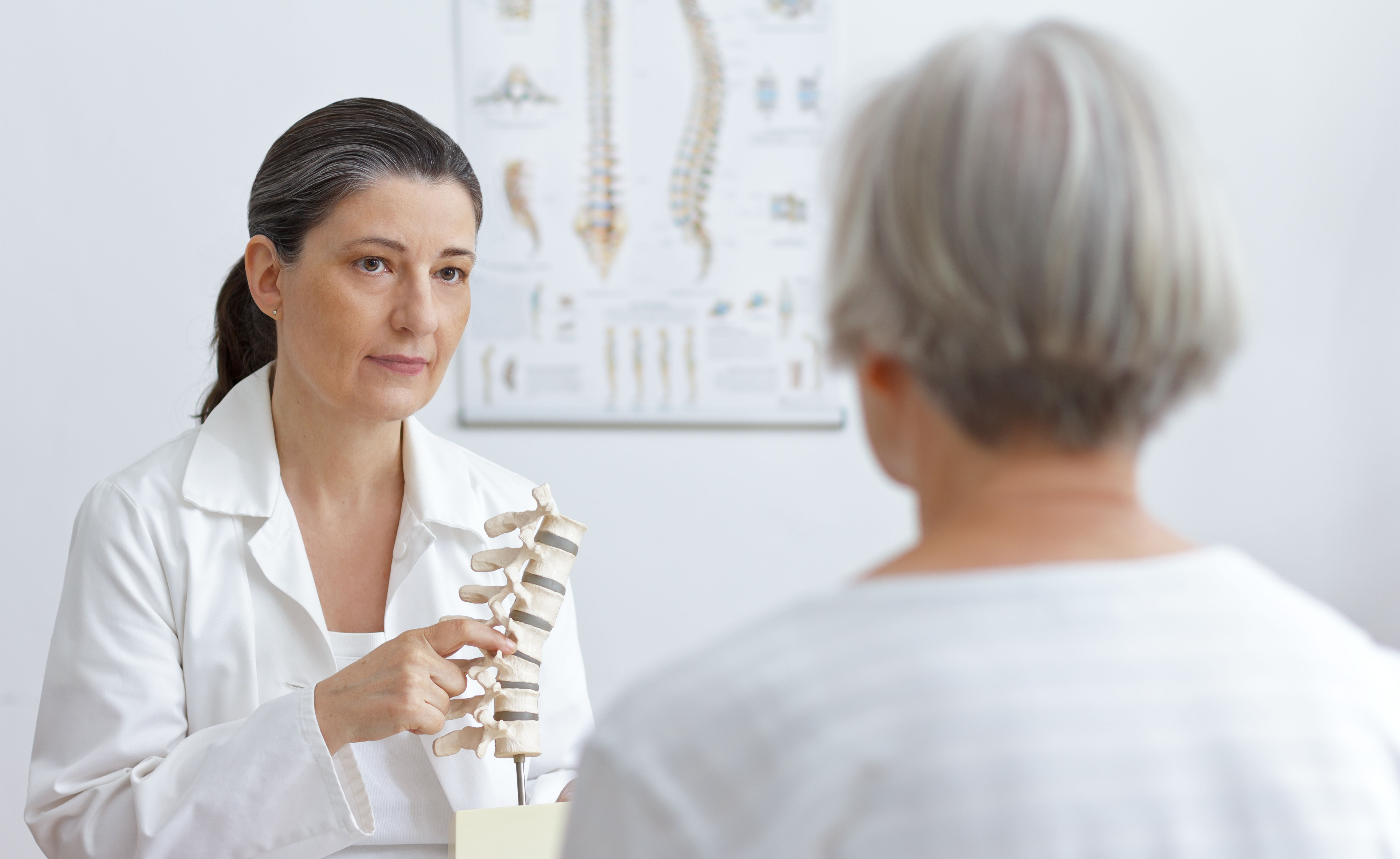
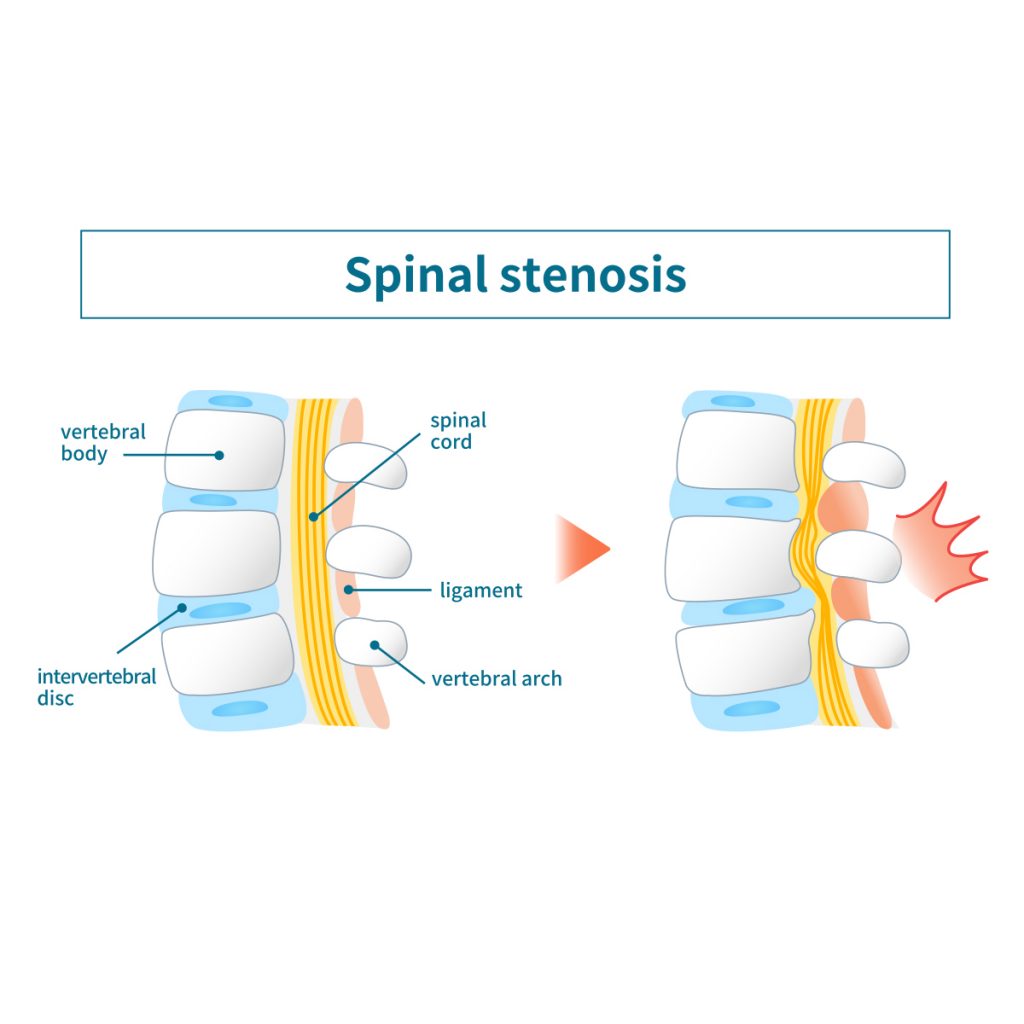
When it comes to spinal issues, many people can experience no symptoms before suddenly succumbing to numbness, tingling, and pain. Such is the case with spinal stenosis, a condition where the space between spinal disks is too small. The lack of space puts pressure on nerves, which leads to prolonged problems. At Global Clinic, we can diagnose and address this issue.
What Causes Spinal Stenosis?
Sometimes people are born with small spaces in their spinal column. However, most of the time, spinal stenosis is caused by an injury or underlying condition. Tumors, bone spurs, and herniated discs are often the culprits responsible for this condition. Older people are at greater risk of developing this condition.
Symptoms of this issue include numbness, tingling, dull aches, and sharp pains in your back that can significantly alter how you move through life. With proactive care and early diagnosis, you can combat the effects of stenosis and lead a pain-free life.
Services for Spinal Stenosis
Our skilled therapists use today’s most reliable diagnosis and treatment approaches to pinpoint your pain and develop a plan tailored to your unique needs. We partner with you to create a personalized care regimen built with your well-being in mind. Spinal stenosis pain treatments may include, but are not limited to:
- Manual adjustments
- Physical therapy
- Occupational therapy
- Physician-recommended exercise regimens
- Stretching regimens
- Regenerative treatments
- Pain management with traditional or alternative medicines
What Results Can I Expect?
At Global Clinic, we aim to help you find relief from pain and get your life back on track. Our treatment protocols are personalized based on each patient’s individual needs. Therefore, you should get in touch for a consultation to get your treatment plan.
Find Care for Spinal Stenosis in the greater Chicago area
Find relief from spinal stenosis here at Global Clinic. We offer physical therapy and chiropractic care treatments to help you feel more relaxed and live pain-free. Contact us today by filling out the contact form below or calling us at (847) 299-7000. We look forward to helping you feel better!