Get Back
On Track
professional-medical-doctor-white-uniform-gown-coat-interview-consulting-patient 1 (2) (1)

Acupuncture & Dry Needling in Niles, IL — Targeted Relief That Gets You Moving Again

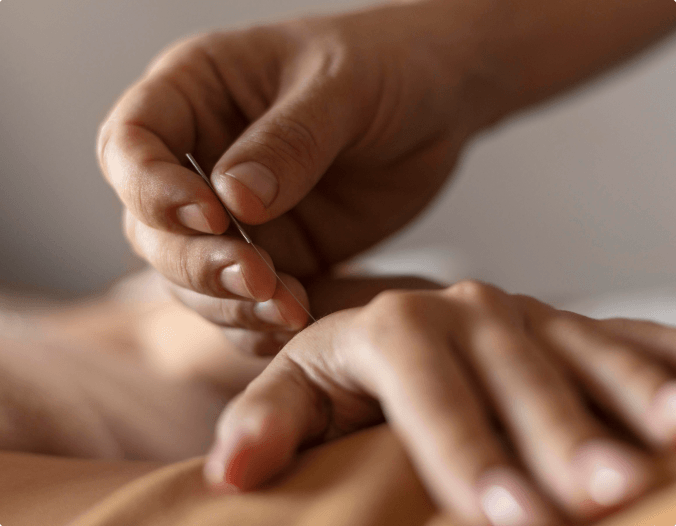
Acupuncture session at Global Pain & Spine Clinic

About

Muscle pain, tight knots, and slow injury recovery affect a lot of people.

Acupuncture and dry needling are two of the most direct ways to address these problems.

Acupuncture session at Global Pain & Spine Clinic
This page covers both services, who they help, and what to expect at Global Pain & Spine Clinic. We are a full medical center, so your care goes beyond a single needle session. We build a clinical plan around your symptoms and your schedule.

Same-week appointments are often available. If you are ready to move forward, booking is the natural next step.

What Is Dry Needling and How Does It Work?

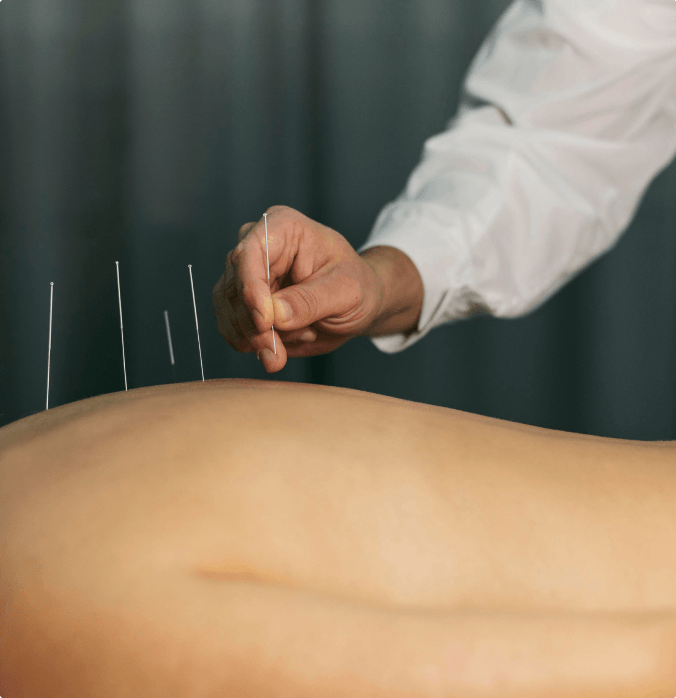
Dry needling is a clinical technique where a thin needle is inserted directly into a muscle trigger point.

The needle causes a brief twitch response in the muscle — that twitch signals a release. Blood flow increases, the pain-spasm cycle breaks, and the muscle starts to recover.

1

Different from acupuncture — dry needling is based on Western anatomy, not meridian pathways

2

Performed by trained clinicians at our Niles medical center

3

Often combined with physical therapy or chiropractic care for faster results

Dry needling treatment for back muscle trigger points in Niles IL

How Long to Rest After Dry Needling — and When to Return to Activity

Most people can return to desk work the same day.

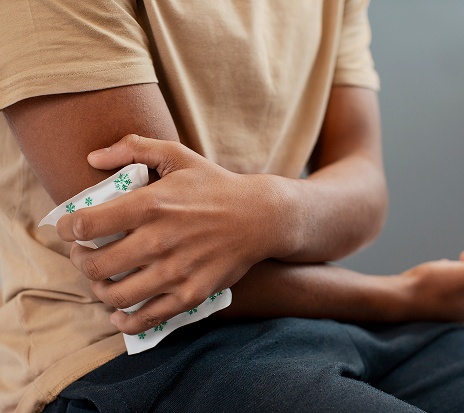
Plan for 24 to 48 hours of lighter activity after your session. Your treated muscles need time to respond, and pushing too hard too soon can slow progress.

Mild soreness after dry needling is normal. It usually fades within a day or two. Light walking and staying hydrated both help. If you work a physical job or train regularly, give yourself a full 24 hours before returning to heavy activity.

  • Avoid intense exercise the same day as treatment
  • Gentle movement is fine — complete rest is not required
  • Return-to-sport timeline depends on the muscle treated and how deep the session was
  • Your clinician will give you specific guidance before you leave
Dry needling treatment for back muscle trigger points in Niles IL

Dry Needling vs. Acupuncture: Which Treatment Fits Your Condition

Both treatments use thin needles. The difference is in the approach and the goal.

At our medical center, both options are available. Your clinician will review your symptoms at intake and recommend the better fit. In some cases, a combination works best.

Dry needling treatment for back muscle trigger points in Niles IL
foot-massage 1

Dry needling targets muscle trigger points using Western anatomy.

• Dry needling: best for sports injuries,
• myofascial pain,
• and muscle knots

Group

Acupuncture follows meridian pathways and addresses broader patterns in the body.

• Acupuncture: often preferred for stress,
• chronic conditions,
• and sleep disruption

Niles patients with diverse health backgrounds often ask about both — we walk you through it at your first visit

What Dry Needling Actually Does to a Muscle Knot

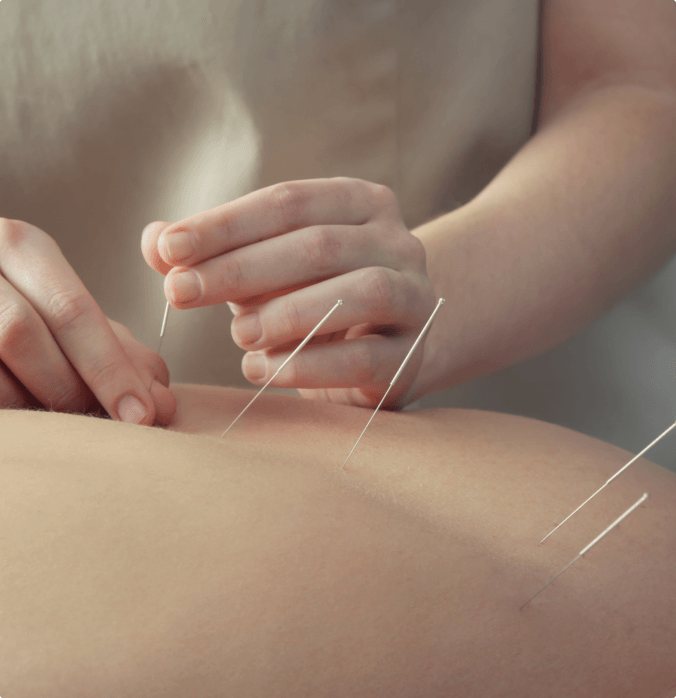
A muscle knot — called a trigger point — is a tight band of muscle that does not relax on its own. Dry needling places a needle directly into that band. The muscle responds with a brief involuntary twitch, then releases. That release is the goal.

Many patients sit for long hours or stand through physical shifts. Both create chronic trigger points in the back, neck, and hips. Dry needling reaches those spots in a way that stretching or massage often cannot.

• The twitch response is normal — it means the needle found the right spot

• Increased blood flow follows the release

• Most patients notice improvement within one to three sessions

Clinician performing dry needling on shoulder muscle

What to Expect During Your First Acupuncture Visit at a Medical Center

Your first visit at Global Pain & Spine Clinic starts with a full intake. We review your health history and listen to what is bothering you. Then your clinician explains which points they plan to use and why. No needles go in without that conversation first.

Needles stay in for about 20 to 30 minutes. Most patients relax during that time. Some doze off. You may feel mild tingling, warmth, or a dull pressure — all of that is normal. Before you leave, your clinician discusses your next steps and how often you should come in.

• Loose, comfortable clothing makes access easier

• Eat a light meal before your session — do not come in fasted

• A clinical care plan is documented at your first visit — this is a medical center, not a walk-in wellness stop

Conditions Our Patients Treat Most With Acupuncture and Dry Needling

People come to us with a wide range of complaints.

The most common ones involve pain that has been around for a while, or injuries that are not healing as fast as expected. Most conditions respond within three to six sessions. Chronic issues may take longer, and we plan accordingly. Your clinician will tell you what a realistic timeline looks like for your specific case.

back-pain 1

Lower back pain and lumbar stiffness

neck 1

Neck and shoulder tension from desk work or commuting

bed-single 1

Plantar fasciitis and IT band syndrome

user-man-stress 1

Tension and migraine headaches

medical-instrument-scalpel-cut 1

Post-surgical scar tissue and slow healing

user-man-stress 1

Stress-related sleep disruption — addressed through acupuncture

Acupuncture session at Global Pain & Spine Clinic

How to Know the Treatment Is Working — Signs of Progress to Watch For

Progress after acupuncture or dry needling is not always dramatic right away. The clearest sign is that pain intensity decreases between sessions — not just during them. If you are waking up with less stiffness or moving your neck further than last week, that is real progress.

Midwest winters are hard on joints and muscles. Many patients start treatment in the fall and need a reason to stay consistent through the colder months. Tracking these specific signs helps you see that the work is adding up.

• Pain intensity drops between sessions, not just during

• Sleep quality and daily energy improve

• Range of motion increases in the treated area

• Trigger points feel less tender when pressed

• Fewer flare-ups over a two- to three-week window means the treatment is holding

FAQ

Frequently Asked Questions

Is dry needling safe for someone who has never had acupuncture?

Yes — dry needling is safe for first-time patients when performed by a trained clinician. We screen for needle sensitivity, relevant health conditions, and any contraindications at intake before the session begins.

Most patients notice a change within three to six sessions. Chronic or long-standing conditions may need eight to twelve. Your clinician sets a clear plan at your first visit so you know what to expect.

Yes, when clinically appropriate, both can be done in one visit. Our medical center setting allows combined treatment, and your clinician will let you know if that approach fits your case.

It depends on the cause of your pain. Dry needling targets muscle trigger points directly and works well for myofascial pain and sports injuries. Acupuncture addresses broader patterns. Your clinician recommends the right fit based on your exam.

Wear loose clothing that allows easy access to the area being treated. Eat a light meal beforehand, and avoid intense exercise the same morning. These small steps help your body respond better to the session.

Desk work is usually fine the same day. Physical work and gym training are best held off for 24 hours. Soreness is normal and fades quickly — hydration and light movement speed that along.