Epidural Injections in Niles, Illinois — Fast Relief for Back and Neck Pain
About
Spine pain can stop you from doing the things that matter.
This page covers how the procedure works, who it helps, what to expect before and after, and how long results typically last. We are an outpatient medical center at 8565 W Dempster St, Niles, IL 60714. Your first step is an evaluation visit so we can review your history and confirm this is the right treatment for you.
How Epidural Injections Relieve Spine Pain
Many adults spend long hours commuting into Chicago. Sitting for hours builds pressure on spinal discs.
Over time, that pressure can compress nearby nerves and cause pain that spreads into your arms or legs.
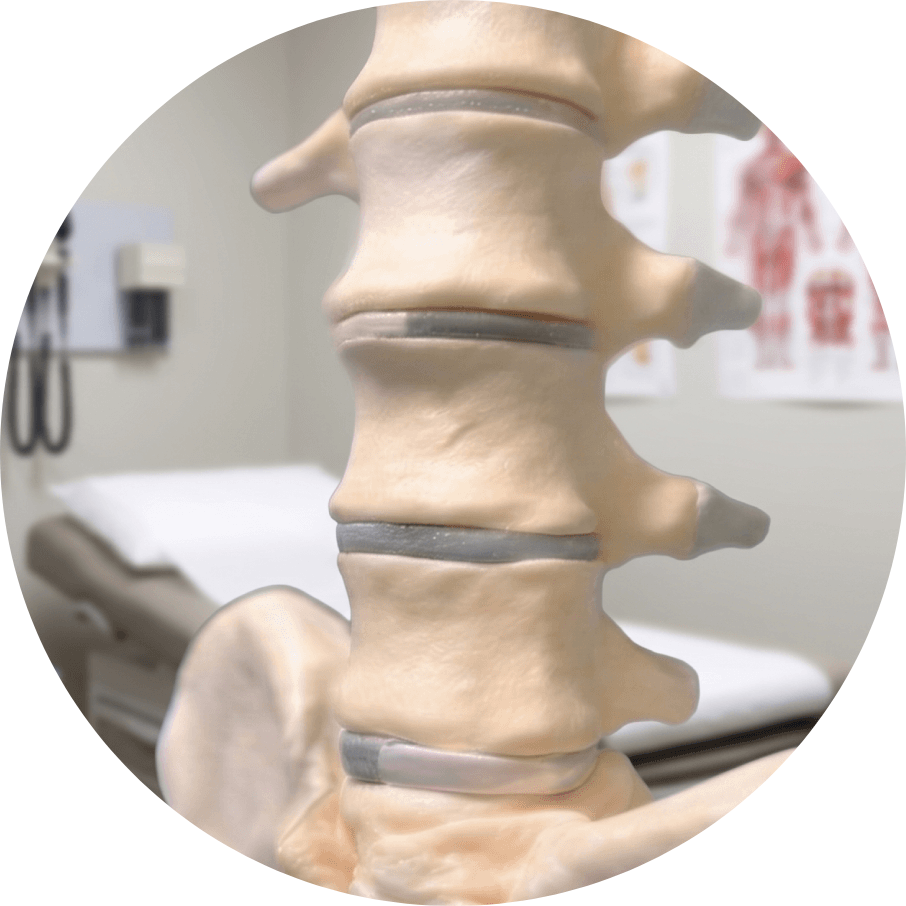
An epidural injection places a corticosteroid and anesthetic directly into the epidural space — the area surrounding your spinal nerves. The steroid calms inflammation. The anesthetic interrupts pain signals. Together, they give the nerve room to heal so you can move with less pain.
This approach works for several common spine conditions:
1
Herniated or bulging discs
2
Spinal stenosis (narrowing of the spinal canal)
3
Sciatica (nerve pain radiating into the leg)
4
Degenerative disc disease causing nerve irritation
Who Is — and Is Not — a Good Candidate for This Treatment
Most adults with confirmed nerve compression are good candidates.
If physical therapy has not brought enough relief, or if pain limits your daily movement, an injection may be the right next step. Patients throughout the Chicago area regularly visit our clinic for this evaluation.
Some patients are not a good fit for this procedure. We review every case carefully before scheduling anything. You may not qualify if you have:
- An active infection at or near the injection site
- A bleeding disorder or take blood thinners that cannot be paused
- Uncontrolled diabetes (steroids can affect blood sugar)
- Certain immune conditions
A short evaluation visit comes first. We review your imaging, your health history, and your symptoms before making any recommendation.
What to Do Before and After Your Epidural Injection
Preparation makes a real difference in how smoothly your appointment goes.
Before your procedure, tell us about every medication you take — especially blood thinners or anti-inflammatory drugs. Depending on your case, we may ask you to pause some medications for a short period.
Before your appointment:
- Arrange a driver. You cannot drive yourself home after this procedure. The anesthetic and any sedation affect your reaction time.
- Follow any fasting instructions we give you — these vary by case.
- Wear comfortable, loose clothing.
- If you are coming in winter, wear non-slip shoes. Sidewalks and parking lots can be icy.
After your procedure:
- Rest for the remainder of the day.
- Avoid heavy lifting or twisting for 24–48 hours.
- Skip swimming pools, hot tubs, and baths until the injection site has closed — showers are fine.
- Do not drink alcohol on the day of the procedure.
Most patients return to light daily activity the next day.
What Happens During the Procedure at a Local Medical Center
The procedure takes place in our outpatient suite at 8565 W Dempster St. You will not need an overnight stay. From check-in to discharge, most patients are with us for under two hours.
The needle causes a brief twitch response in the muscle — that twitch signals a release. Blood flow increases, the pain-spasm cycle breaks, and the muscle starts to recover.
1
You lie face-down or on your side on the procedure table.
2
We clean and numb the skin at the injection site.
3
The physician uses live imaging guidance to position the needle accurately.
4
The steroid and anesthetic are delivered into the epidural space.
5
You move to a recovery area and rest for 15–30 minutes.
6
We review aftercare instructions with you before you leave with your driver.
Imaging guidance improves accuracy and reduces discomfort. Our team follows Illinois Department of Public Health standards for outpatient procedures at every step.
How Long Results Last and When to Schedule a Follow-Up
Relief from an epidural steroid injection typically begins within a few days. Most patients feel the benefit for three to six months. Some feel improvement for longer; others need a follow-up injection sooner.
A single injection is not always enough. Some patients benefit from a series of two or three injections spaced several weeks apart. We track your progress and adjust the plan at each follow-up visit.
During your recovery, low-impact movement can help. Illinois has walking paths and fitness options that pair well with a recovery period. Ask us what level of activity is right for you.
Call our office right away if you notice:
• Pain that gets significantly worse after day three
• New numbness, tingling, or weakness
• Fever or redness at the injection site

Activities and Habits to Avoid After Your Injection
The steps you take after the procedure protect your results.
Skipping them can reduce how well the injection works or raise your risk of complications.
Do not do these on procedure day:
- Drive or operate any machinery
- Drink alcohol
- Return to work if your job is physically demanding
For the first 24–48 hours:
- No heavy lifting (anything over 10–15 lbs)
- No twisting or bending at the waist beyond normal daily movement
- No swimming, soaking, or hot tubs
There are several fitness centers and gyms. Check with our team before you return to any exercise program. We will give you a clear timeline based on how your body responds.
FAQ
Frequently Asked Questions
1. Is bed rest required after an epidural injection in Niles?
No — full bed rest is not required. Rest for the remainder of the procedure day, then return to light activity the following morning. Prolonged bed rest can slow recovery.
2. How uncomfortable is the injection itself?
Most patients feel pressure, not sharp pain. We apply a local numbing agent to the skin first, which takes the edge off the needle placement. The procedure itself takes only a few minutes.
3. Why can't I drive myself home from the clinic?
The anesthetic and any sedation we use affect your reaction time and coordination. It is not safe to drive. A responsible adult driver is required — plan this before your appointment day.
4. Who should not receive an epidural steroid injection?
Patients with active infections, serious bleeding disorders, or uncontrolled blood sugar may not be good candidates. We screen every patient at an evaluation visit before scheduling the procedure.
5. Is it ever too late to get this treatment for back pain?
There is no universal cutoff. We look at your imaging, how long you have had symptoms, and your overall health to decide if an injection makes sense for you.
6. What should I avoid the morning of my appointment?
Follow the specific pre-procedure instructions we give you at your evaluation. Fasting requirements vary by case. If you are unsure, call our office at Global Pain & Spine Clinic before your appointment day.