







You might have heard about NAD+ lately, this molecule that’s everywhere in our cells. It’s pretty important for how our bodies work, especially when it comes to energy and keeping things running smoothly. As we get older, though, our NAD+ levels tend to drop, and that’s where things like NAD injections come into play. People are looking into them for all sorts of reasons, from boosting energy to improving how their skin looks. But like anything, there are good points and things to watch out for. Let’s break down what NAD+ is all about and what you should know about getting NAD injections.
Key Takeaways
- NAD stands for Nicotinamide Adenine Dinucleotide, a vital coenzyme found in all living cells that’s crucial for energy production and DNA repair.
- NAD+ levels naturally decrease with age, which is linked to fatigue, cognitive decline, and slower cellular repair processes.
- NAD injections are a method to quickly boost NAD+ levels in the body, offering potential benefits for energy, recovery, and skin health.
- While generally considered safe, it’s important to consult a healthcare professional before starting NAD injections, especially if you have underlying health conditions or are on medication.
- NAD injections offer a direct and potent way to raise NAD+ levels compared to oral supplements, bypassing the digestive system for better bioavailability.
Understanding NAD+ and Its Role in Cellular Health
What Does NAD Stand For?
When we talk about health and biology, NAD stands for Nicotinamide Adenine Dinucleotide. It’s a coenzyme, which basically means it’s a helper molecule that’s absolutely essential for life. You’ve got it in every single cell in your body, and without it, things just don’t work right. Think of it as a tiny but mighty worker that keeps everything running smoothly at the cellular level.
The Biological Powerhouse: How NAD+ Functions in the Body
So, what exactly does this NAD+ molecule do? Well, it’s involved in hundreds of different processes within your cells. Its most well-known job is helping to convert the food you eat into energy, but it’s also a key player in repairing damaged DNA and acting as a signaling molecule that tells your cells how to react to stress. It works closely with two important groups of proteins:
- Sirtuins: These are often called the "longevity genes." They help protect your cells from damage that comes with aging, but they need enough NAD+ to do their job.
- PARPs: These are like the "cellular repair crew." They’re responsible for fixing breaks and damage in your DNA. Again, they rely on NAD+ to function.
Energy Production and Mitochondrial Health
Let’s talk about energy. Your cells have tiny powerhouses called mitochondria. Inside these mitochondria, a complex process happens to create ATP, which is the main energy currency of your cells. NAD+ plays a starring role in this. It acts like a shuttle bus, picking up electrons (think of them as passengers) from the food you consume and delivering them to the mitochondria. Once the electrons are dropped off, the NAD+ molecule becomes NADH, and it’s ready to go back out and pick up more. This cycle is fundamental to your metabolism. Without enough NAD+, your cells can’t efficiently produce the energy they need to function.
The constant back-and-forth between NAD+ and NADH is like the heartbeat of your cellular energy production. It’s a dynamic process that keeps everything powered up.
The Decline of NAD+ Levels and Its Consequences
It’s a bit of a bummer, but as we get older, our body’s levels of NAD+ just naturally start to drop. Think of it like a car that’s been driven for a long time – parts start to wear out, and it doesn’t run quite as smoothly as it used to. By the time we hit middle age, our NAD+ levels can be cut in half compared to when we were young. And by age 70, some studies suggest they can fall by as much as 65%.
NAD+ Levels Decline with Age
This isn’t some random glitch; it’s a pretty standard part of getting older. This drop is linked to a lot of the things we associate with aging, like feeling more tired, having a harder time focusing, and generally not recovering as quickly. It creates this cycle where lower NAD+ means more cellular damage, and fixing that damage uses up even more NAD+, depleting it further.
Root Causes of Cellular Depletion
So, why exactly does this happen? Scientists have pointed to a few main reasons:
- CD38 Overexpression: As we age, we tend to experience more low-grade inflammation, sometimes called "inflammaging." This causes an enzyme called CD38 to become more active. CD38 is a real NAD+ hog, gobbling up a lot of it and leaving less for other important jobs.
- PARP Overactivation: Our DNA takes a beating from everyday life – think pollution, sun exposure, even just normal body processes. Enzymes called PARPs are constantly working to fix this damage. When there’s a lot of damage, these enzymes are overactive, and they use up a ton of NAD+ in the process.
- Reduced Recycling: Our bodies have a system to recycle used NAD+ back into a usable form. This is driven by an enzyme called NAMPT. As we age, this recycling system just doesn’t work as efficiently as it used to.
Consequences of Low NAD+ Availability
When the NAD+ "fuel" gets low, the whole cellular system starts to struggle. The effects can be pretty widespread:
- Mitochondrial Dysfunction: This is where our cells make energy. When it’s not working right, you feel tired and your muscles might feel weaker.
- Cognitive Decline: Your brain uses a lot of energy. When NAD+ levels drop, you might notice more brain fog, trouble concentrating, or memory issues.
- Cardiovascular Issues: Low NAD+ has been linked to things like stiffer arteries and higher blood pressure.
- Metabolic Disorders: Your metabolism can slow down, making it harder to manage your weight.
- Skin Aging: Things like slower collagen production and less efficient healing after injuries or cosmetic treatments can happen.
When the "fuel" runs low, the whole system starts to stutter. The consequences of low NAD+ are wide-ranging and include mitochondrial dysfunction, cognitive decline, cardiovascular issues, metabolic disorders, and skin aging. Supporting NAD+ levels is key to maintaining cellular function and overall vitality as we age.
It’s a bit of a downhill slide, but understanding these consequences is the first step toward figuring out how to support our NAD+ levels and keep our cells running better for longer. NAD+ levels decline with age, contributing to many of the signs we associate with getting older.
Methods for Boosting NAD+ Levels
So, we know NAD+ is pretty important for keeping our cells running smoothly, right? And we’ve talked about how it dips as we get older. The good news is, we’re not just stuck with declining levels. There are actually a few ways to give your body a boost.
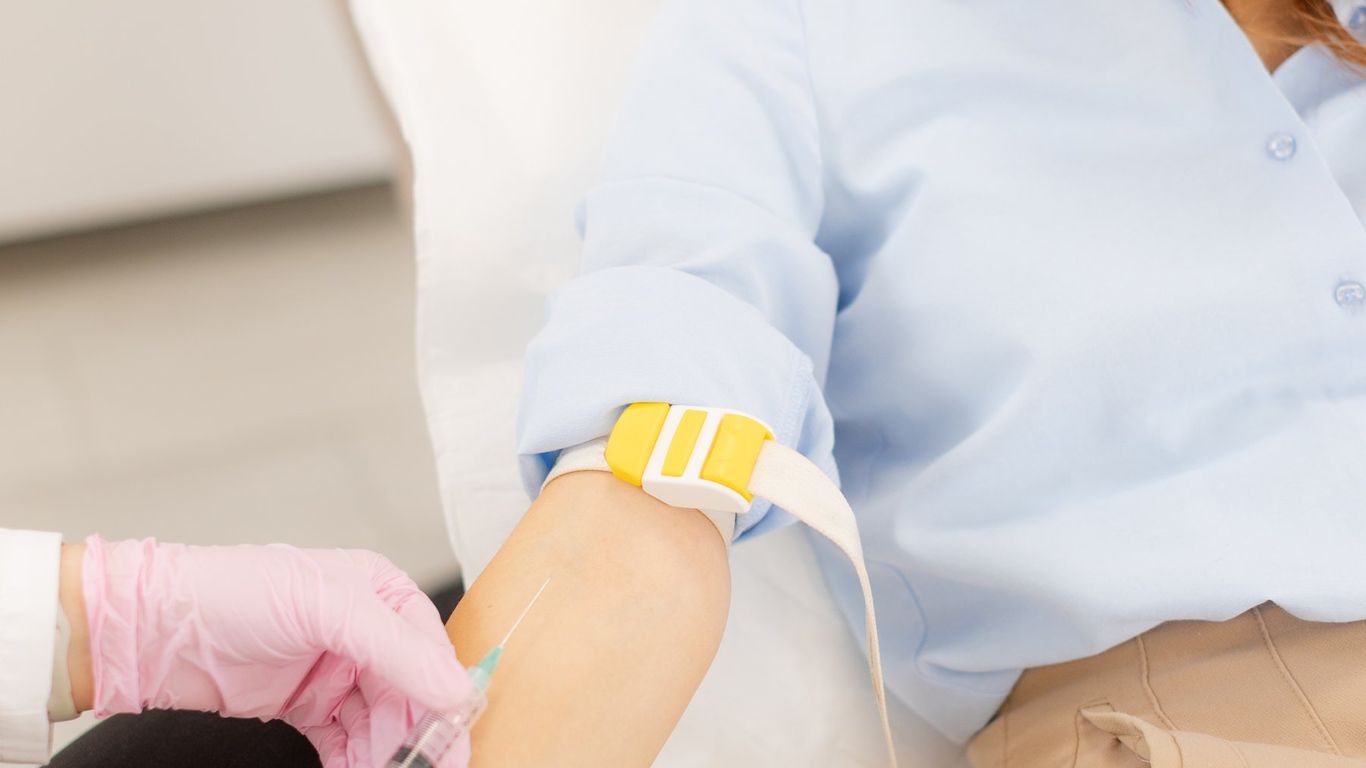
Clinical Interventions: IV Drips and NAD Injections
When you want to raise your NAD+ levels quickly and effectively, heading to a clinic is often the way to go. These methods get the coenzyme right where it needs to be, bypassing some of the usual hurdles.
- NAD+ IV Drips: This is like a direct highway for NAD+ into your bloodstream. Because it goes straight into your veins, your digestive system doesn’t get a chance to break it down. This means your cells get the full dose, pretty much immediately. It’s a popular choice for a rapid and complete replenishment.
- NAD Injections: Think of these as potent, quick shots of NAD+. They’re often used when you need a fast and strong increase in your cellular NAD+ levels, sometimes as part of an initial
Benefits of NAD Injections for Enhanced Health
When your body’s NAD+ levels are humming along nicely, things just work better. Think of it as giving your cells the fuel they need to perform at their best. This can translate into some pretty noticeable improvements in how you feel and function day-to-day.
Applications in Plastic Surgery and Skin Health
In the world of aesthetics, NAD+ is starting to get some serious attention. When skin cells have plenty of NAD+, they’re better equipped to produce collagen and elastin, those key components that keep skin looking firm and youthful. After procedures like microneedling or even surgery, NAD+ can help calm down inflammation and speed up the healing process. It’s also thought to help skin cells fix DNA damage caused by things like sun exposure, potentially reversing some signs of aging. Some patients even report a general "reset" feeling, not just in their skin but in their overall energy.
Improved Energy and Cognitive Function
One of the most commonly reported benefits is a significant boost in energy. If you’ve been dealing with that persistent feeling of fatigue or "brain fog," NAD+ injections might offer some relief. Because NAD+ is so central to how your cells create energy, replenishing it can lead to clearer thinking and a sharper mind. Many people notice improvements in mental clarity within hours of treatment, though more noticeable physical energy gains often take a bit longer as your cells catch up.
Enhanced Recovery and Cellular Repair
Your body is constantly working to repair itself, and NAD+ is a big part of that process. It helps power the enzymes responsible for fixing damaged DNA. When NAD+ levels drop, this repair work can slow down. By boosting NAD+ levels, you’re essentially giving your body’s repair crew the resources they need to work more efficiently. This can be particularly helpful for athletes looking to speed up recovery after intense workouts or for anyone dealing with the general wear and tear of daily life. It’s all about supporting your cells’ natural ability to maintain and rebuild themselves. NAD injections can help replenish these levels, supporting cellular health and potentially mitigating age-related decline.
The direct delivery of NAD+ through injections bypasses the digestive system, meaning more of the coenzyme gets straight to your cells where it’s needed. This method is often chosen for its speed and potency in raising cellular NAD+ concentrations quickly.
Safety and Considerations for NAD Injections
When you’re thinking about NAD injections, it’s smart to pause and consider the safety aspects. While generally seen as well-tolerated, like any medical intervention, it’s not a one-size-fits-all solution. Understanding who should be cautious and what potential issues might arise is key to making an informed decision.
General Safety and Tolerability
Most people find NAD+ injections to be pretty safe. Studies show that NAD+ precursors are usually fine, with minimal side effects. The most common thing people report is a temporary flushing sensation, which can often be managed by adjusting the speed of the infusion or injection. It’s not typically a serious concern, but it’s good to be aware of.
- Mild Flushing: A temporary redness or warmth, especially in the face and neck.
- Nausea: Some individuals might feel a bit queasy.
- Headache: Mild headaches can occur, usually resolving on their own.
- Discomfort at Injection Site: Minor soreness or bruising where the injection was given is possible.
It’s important to remember that NAD+ is a naturally occurring molecule in your body. The goal of injections is to temporarily boost levels that may have dropped due to age or other factors. This direct delivery method bypasses the digestive system, allowing for quicker absorption compared to oral supplements.
Who Should Consult a Doctor Before NAD+ Therapy?
While many can safely receive NAD+ injections, certain groups really need to chat with their doctor first. This isn’t about scaring anyone, but about being careful and making sure it’s the right move for your specific health situation. Always discuss your full medical history with a healthcare provider before starting any new therapy.
- Individuals with Active Cancer: Research is still ongoing regarding how elevated NAD+ might affect aggressive cell growth. Oncologists should be consulted.
- People with Kidney Conditions: If you have significant kidney issues, it’s best to get clearance from your doctor.
- Pregnant or Breastfeeding Individuals: There’s not enough data to confirm safety for these groups.
- Those with Specific Chronic Illnesses: Conditions like severe autoimmune disorders or certain metabolic diseases warrant a doctor’s evaluation.
Potential Interactions with Medications and Substances
It’s also wise to consider how NAD+ injections might interact with things you’re already taking. While not extensively documented for NAD+ specifically, it’s a general principle for any new treatment.
- Alcohol: It’s often recommended to avoid alcohol around the time of your NAD+ therapy, as it can potentially interfere with the process or increase side effects like flushing.
- Certain Medications: If you’re on medications for blood pressure or other chronic conditions, it’s crucial to let your provider know. While direct interactions are rare, it’s always better to be safe.
- High-Dose Antioxidants: Taking very high doses of certain antioxidants concurrently might theoretically affect NAD+ metabolism, though this is more of a theoretical concern than a commonly reported issue. Discussing your supplement regimen with your provider is a good idea.
Comparing NAD+ Delivery Methods

When you’re looking into boosting your NAD+ levels, you’ll find there are a few main ways to go about it. It’s not a one-size-fits-all situation, and understanding the differences can help you pick what’s best for you. We’ve got NAD+ injections, IV drips, and then there are lifestyle changes. Each has its own pros and cons, and what works for one person might not be the right fit for another.
NAD+ IV Drips vs. NAD Injections
Both NAD+ IV drips and injections are clinical methods designed to get NAD+ into your system pretty directly. The main difference is how they’re administered and how quickly you might feel the effects. IV drips deliver NAD+ straight into your bloodstream, which means it’s immediately available to your cells. This method is often favored for its 100% bioavailability, bypassing the digestive system entirely. However, these sessions can take a while, usually a few hours, and might be more of a time commitment. NAD+ injections, on the other hand, are typically given intramuscularly or subcutaneously. They offer a potent and rapid way to increase NAD+ concentrations, often used in loading protocols to quickly build up levels. While they might not take as long as an IV session, the absorption might be slightly different compared to direct IV delivery.
Effectiveness of Clinical NAD+ Therapy
When we talk about clinical NAD+ therapy, whether through IVs or injections, the goal is to bypass the usual breakdown that happens when you take something orally. This direct approach means more of the NAD+ actually gets to where it needs to go in your body. This direct cellular approach is key to why many people turn to these methods for noticeable results. For instance, some people report feeling improvements in mental clarity within hours of an IV session, while physical energy and recovery might take a bit longer as your cells get to work. It’s a way to give your body a significant boost when lifestyle changes alone aren’t cutting it.
Understanding NAD+ Supplementation
Beyond the clinical routes, there’s also oral supplementation. You can find NAD+ precursors, like NMN or NR, in pill form. These are designed to be taken daily and are generally well-tolerated. The idea is that your body will convert these precursors into NAD+ internally. While convenient, the effectiveness can vary quite a bit. Your digestive system can break down a good portion of the precursor before it even gets absorbed, meaning less actually makes it to your cells compared to injections or IVs. Think of it like this: oral supplements are like sending a package that might get delayed or damaged in transit, whereas injections and IVs are like direct delivery. For those seeking the most potent and immediate impact, clinical methods are often preferred, but oral supplements can be a good starting point for general support.
Wrapping It Up
So, we’ve talked a lot about NAD injections, what they are, and what they might do for you. It’s pretty clear that this stuff plays a big role in how our bodies work, especially when it comes to energy and fixing things. While the idea of boosting your NAD levels sounds promising for things like feeling more energetic or even helping your skin, it’s not a magic bullet. Remember, NAD injections are a medical treatment. Always chat with a doctor before you jump into anything new like this. They can help you figure out if it’s a good fit for you and what to expect, making sure you’re making the best choice for your health.
Frequently Asked Questions
What exactly is NAD+?
NAD+ stands for Nicotinamide Adenine Dinucleotide. Think of it as a tiny but super important helper molecule found in every single cell in your body. It’s like the energy source that helps your cells do all their jobs, from making energy from food to fixing themselves when they get damaged.
Why do NAD+ levels drop as we get older?
As we age, our bodies naturally start to produce less NAD+. Also, certain things like stress and inflammation can make our cells use up NAD+ faster. It’s like your body’s energy supply starts to run low over time, making it harder for cells to do their best work.
Are NAD injections safe?
For most people, NAD injections are considered safe. Studies show they are usually well-tolerated. However, if you have certain health conditions, like active cancer, it’s really important to talk to your doctor first because researchers are still learning how NAD+ might affect those situations.
How quickly will I feel the effects of NAD injections?
Everyone’s body is a bit different. Some people notice improvements in how clear their thinking is within hours after an injection. But for bigger changes, like feeling more physical energy or seeing better cell repair, it might take a series of treatments as your cells catch up and start working better.
Can NAD injections help with skin appearance?
Yes, NAD+ can be a big help for your skin! When your skin cells have enough NAD+, they have more energy to create collagen and elastin, which keep your skin looking firm and youthful. It can also help fix damage from the sun and speed up healing after treatments like microneedling.
What’s the difference between NAD+ IV drips and injections?
Both IV drips and injections are ways to get NAD+ into your body quickly. IV drips deliver it directly into your bloodstream, so your body can use all of it. Injections also give a strong, fast boost and are often used to quickly raise your NAD+ levels. They are both more direct than taking pills.