






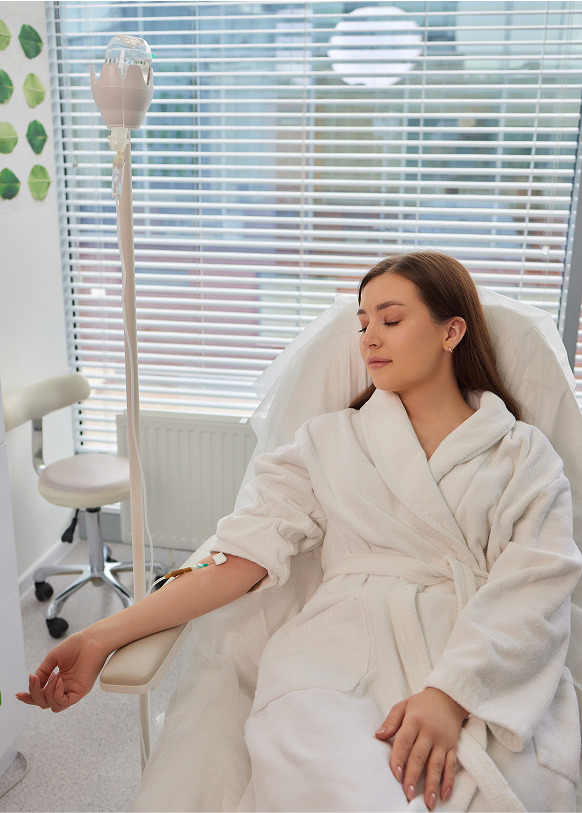
Banana bag IVs are yellow-colored intravenous solutions containing a combination of vitamins, minerals, and electrolytes designed to rapidly correct nutritional deficiencies and restore hydration. Originally developed for hospital patients with alcohol use disorder, these IV treatments have evolved into a popular recovery option for hangovers, dehydration, chronic fatigue, and various medical conditions.
Quick Facts About Banana Bag IVs:
| Component | Purpose | Typical Dosage |
|---|---|---|
| Thiamine (B1) | Prevents neurological damage | 100mg standard, 200-500mg ICU |
| Folic Acid | Supports cell production | 1mg |
| Magnesium Sulfate | Relieves muscle cramps, nerve pain | Varies by protocol |
| B-Complex Vitamins | Energy metabolism, immune function | 1 ampule (MVI) |
| Vitamin C | Reduces inflammation, antioxidant | Variable |
| Saline or Lactated Ringer’s | Hydration, electrolyte balance | 1 liter |
Why the yellow color? The distinctive banana-like hue comes from riboflavin (vitamin B2) and other B vitamins in the solution.
How fast does it work? Because nutrients bypass digestion and enter the bloodstream directly, some people notice they feel better soon after the infusion, although results vary.
Common uses include:
- Hangover recovery and alcohol-related deficiencies
- Severe dehydration from illness, heat, or physical exertion
- Chronic conditions with malabsorption issues (Crohn’s disease, post-bariatric surgery)
- Athletic recovery and immune system support
- Jet lag and travel fatigue
The research shows that while banana bags have been a hospital staple for decades, recent studies suggest traditional formulations may not optimize nutrient delivery for critically ill patients. Higher thiamine doses are now recommended for intensive care scenarios, and evidence supporting multivitamins in banana bags remains limited.
I’m Anna Slavin, Practice Manager at Global Clinic, where our team helps patients explore IV therapy for recovery and wellness. I’ve seen how IV therapy can be part of a wellness plan for patients dealing with fatigue, nutritional gaps, and recovery challenges.
What is a Banana Bag IV?
A banana bag IV is a specific mixture of intravenous fluids, vitamins, and minerals that is used to correct serious nutritional imbalances. In the medical world, it is often referred to as a “rally pack” or “multivitamin infusion.” If you have ever walked through an emergency room or an ICU, you might have spotted one of these bright yellow bags hanging from an IV pole.
The nickname “banana bag” comes entirely from its vibrant yellow color. This hue isn’t artificial; it is the natural result of riboflavin (Vitamin B2) found in the multivitamin component and the folic acid added to the bag.
The primary goal of a banana bag is to replenish the body’s stores of essential nutrients that are frequently depleted by chronic illness or excessive alcohol consumption. While it has become a “go-to” for many people seeking rapid recovery, Scientific research on banana bag composition suggests that the standard hospital formulation is evolving as we learn more about how the body absorbs these nutrients during critical illness.
At Global Clinic, we view IV infusions as a vital tool in a comprehensive wellness plan, particularly for those in the Northern Chicago area looking to optimize their recovery from physical strain or chronic pain.
Banana Bag IVs for Hangover and Dehydration
You may have heard of “rally packs” being used after a night out. A banana bag IV can help ease symptoms such as dehydration-related headache and fatigue, although it does not undo the effects of alcohol.
When you consume alcohol, your body produces acetaldehyde, a toxic byproduct that contributes to that “hit by a truck” feeling. Alcohol also acts as a diuretic, causing you to lose electrolytes like sodium, potassium, and chloride. A banana bag works by:
- Neutralizing Toxins: Ingredients like glutathione can help neutralize acetaldehyde.
- Restoring Balance: Replacing the lost electrolytes that are vital for muscle contraction and nerve function.
- Rapid Rehydration: Bypassing the gut (which may be nauseous) to deliver fluids directly to dehydrated cells.
For a deeper look at how these processes work, check out our IV infusion guide to see how different formulations can target specific symptoms.
Medical Uses and Evidence-Based Benefits
While the “hangover cure” is the most famous use case, the medical applications for a banana bag IV are much broader. In hospital settings, this type of nutrient replenishment is used for:
1. Alcohol Use Disorder (AUD) Recovery
Patients with AUD often prefer alcohol over nutrient-dense foods, leading to severe deficiencies. The banana bag helps prevent the onset of Wernicke’s Encephalopathy, a condition characterized by confusion, memory loss, and lack of coordination.
2. Intensive Care Support
Magnesium is a powerhouse mineral in the ICU. Scientific research on magnesium in the ICU shows it is essential for over 300 biochemical reactions in the body. It helps relax tensed muscles, supports heart rhythm, and can even reduce the severity of migraines.
3. Malabsorption Issues
For patients who have undergone gastric sleeve surgery or those with Crohn’s disease, oral vitamins often aren’t enough. The body simply cannot absorb the nutrients through the digestive tract. IV therapy delivers nutrients directly into the bloodstream.
Our article on the benefits of IV therapy explains how IV nutrients may support energy, recovery, and immune health.
Safety and Administration of Banana Bag IVs
Before you book a session, it is important to understand the logistics and safety profile of a banana bag IV.
Side Effects and Risks
While generally safe, IV therapy is a medical procedure. Potential side effects include:
- Minor Bruising: Some discomfort or bruising at the injection site.
- Phlebitis: A rare inflammation of the vein that can usually be treated with a warm compress.
- Sleepiness: The magnesium in the bag can have a very relaxing effect, making some patients feel drowsy.
Contraindications
Not everyone is a candidate for a banana bag. We carefully screen patients for:
- Kidney Failure: The kidneys must be able to process the high levels of vitamins and fluids.
- Congestive Heart Failure: Excess fluid volume can put a strain on a weakened heart.
- Severe Allergies: Specifically to thiamine or other B vitamins.
Who Should Consider a Banana Bag IV?
You don’t have to be a hospital patient to consider IV hydration and vitamin therapy. It may be considered for:
- Athletes: Those recovering from extreme physical exertion or “overdoing it” in the summer heat.
- Frequent Travelers: To combat the fatigue and metabolic disruption of jet lag.
- Chronic Fatigue Sufferers: Those looking for a “reset” when they feel run down and tired.
Scientific research on thiamine supplementation outcomes confirms that timely thiamine replacement is one of the most critical interventions for preventing long-term neurological damage in at-risk populations.
Frequently Asked Questions about Banana Bags
How quickly does a banana bag work?
Because the nutrients are delivered directly into your bloodstream, bypassing the digestive system entirely, the effects are rapid. Many patients report feeling better soon after the infusion, for example with less nausea and more energy, although results vary.
Conclusion
Whether you are recovering from a marathon, a long flight, or a night of celebration, understanding the science behind banana bag IVs helps you make an informed decision for your health. These “rally packs” offer more than just hydration; they provide a concentrated burst of the essential building blocks your body needs to function at its best.
At Global Clinic, we welcome patients from across Northern Chicago, from Barrington to Des Plaines and beyond. We believe in personalized, innovative care that addresses pain and wellness from every angle. If you are feeling run down, dehydrated, or simply not at your best, our team is here to help you find the right solution.
Ready to learn more? Explore our IV infusion guide or call Global Clinic in Niles at (847) 299-7000 to find out whether IV therapy is right for you.