Why Pain Rehabilitation Programs Offer Hope for Chronic Pain Sufferers
Pain rehabilitation programs are comprehensive, multidisciplinary treatments designed to help people with chronic pain regain function and improve their quality of life. Here’s a quick overview:
- What it is: An intensive program combining physical therapy, psychological support, occupational therapy, and medication management.
- Who it’s for: People with chronic pain lasting over 3 months that interferes with daily activities.
- Primary goal: Restore function and improve quality of life, not just eliminate pain.
- Duration: Typically 3-4 weeks of intensive outpatient treatment.
- Success rate: 73% of patients report reduced pain severity, and opioid use drops from 45% to just 3.7%.
- Common conditions: Chronic back pain (25% of patients), fibromyalgia (20%), headaches, and nerve pain.
Living with chronic pain creates a vicious cycle: pain leads to fear of movement, which causes inactivity and muscle weakness. This weakness increases pain, often leading to depression and isolation. Unlike treatments focused only on pain reduction, pain rehabilitation programs address the entire problem. They teach you skills to manage pain while rebuilding physical strength, addressing emotional challenges, and balancing daily activities.
“I take no pain meds and continue to have 100% relief!” said one patient. “For the first time in years I was able to play a round of golf, truly pain-free,” shared another.
The evidence is clear: patients completing these programs show significant improvements in physical function, emotional well-being, and quality of life—even if their pain doesn’t completely disappear.
I’m Ana Vinikov, Practice Manager at Global Clinic. For over 20 years, we’ve helped patients in Northern Chicago find relief through comprehensive, patient-centered pain rehabilitation programs. Our multidisciplinary approach addresses not just your pain, but its full impact on your life.

Easy Pain rehabilitation program glossary:
What is a Pain Rehabilitation Program and Who Is It For?
A pain rehabilitation program provides a team of healthcare professionals focused on helping you get your life back. The primary goal isn’t to make all your pain vanish—though many patients experience significant pain reduction. Instead, we focus on functional restoration and improving your quality of life. It’s about teaching you to manage pain effectively so you can return to the activities that matter most.
Chronic pain is pain that lasts for more than three months, often persisting long after an original injury has healed. It becomes its own condition, creating a vicious cycle of pain, fear, inactivity, and muscle weakness that worsens the pain and can trigger depression.
A pain rehabilitation program is ideal if your pain has lasted longer than three months and significantly impairs your daily life. You may be a candidate if you’ve tried medications, injections, or other treatments without lasting success and want to feel more in control of your pain.
We work with patients experiencing a wide range of conditions. Chronic back pain affects about 25% of patients in these programs; our approach to addressing back pain with physical therapy can make a real difference. Fibromyalgia accounts for roughly 20% of cases, while persistent headaches and migraines impact many others. Nerve pain conditions like sciatica (which we explain in our article on piriformis syndrome vs. sciatica) are also commonly treated, along with neck pain, abdominal pain, and complex regional pain syndrome.
If pain has forced you to give up activities, affected your mood, or limited your ability to work, a pain rehabilitation program offers the structured support you need to break free.

The Core Components of a Comprehensive Program
A pain rehabilitation program provides an entire team dedicated to your recovery. This multidisciplinary approach is what sets these programs apart. At Global Clinic, our integrated care model brings together doctors, physical therapists, occupational therapists, and psychologists who collaborate on your unique situation. These consultants in pain management meet regularly to discuss your progress and adjust your treatment plan.

Physical and Occupational Therapy: Restoring Function
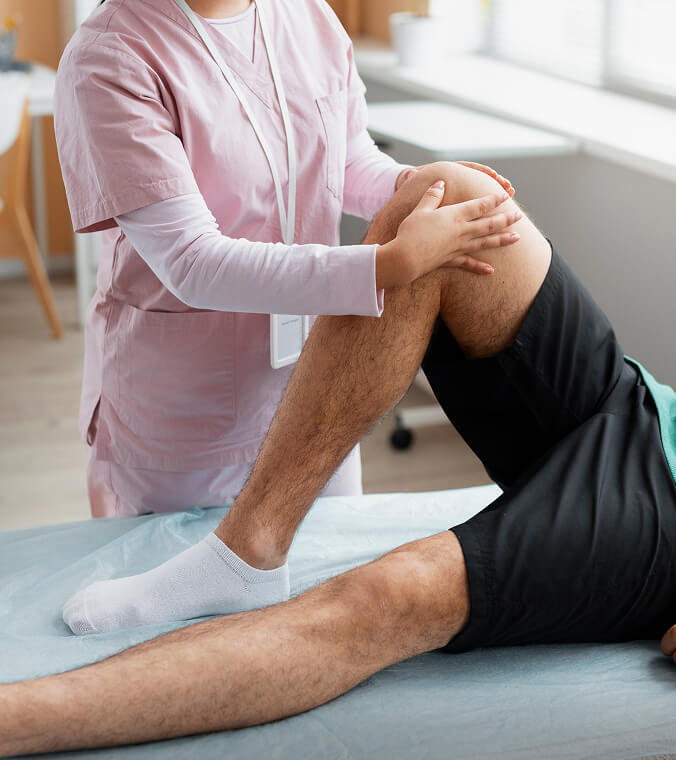
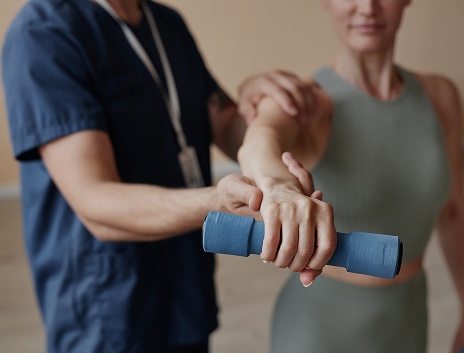
Physical therapy (PT) focuses on rebuilding overall strength, improving flexibility, and developing aerobic conditioning. You’ll also learn proper body mechanics and posture to protect your body from strain, similar to the principles in our article about the benefits of physical therapy after a car accident. The goal is to build real-life stamina and function, gradually decreasing the fear of movement that traps you in the pain cycle.
Occupational therapy (OT) focuses on how pain affects your daily life. Our occupational therapists help you balance activities across leisure, productivity, and self-care. They teach activity pacing—how to get things done without triggering a pain flare—and ergonomics to ensure your environment supports your recovery. OT specifically addresses challenges related to returning to work, helping your body become a team member in your daily life.
Psychological Support in a Pain Rehabilitation Program
Chronic pain can change your brain, making your nervous system overactive. This means psychological support is essential. Our team uses evidence-based approaches like Cognitive Behavioral Therapy (CBT) and Acceptance and Commitment Therapy (ACT) to help you reframe negative thoughts about pain. These are practical tools, not just talk therapy.
You’ll learn stress management and relaxation techniques to calm your nervous system. Biofeedback can be particularly helpful, giving you real-time data on your body’s stress responses so you can learn to control them. We address the depression, anxiety, and pain catastrophizing (imagining the worst-case scenario) that often accompany chronic pain. While physical treatments like dry needling near me address muscle tension, this psychological work addresses the mental and emotional tension that worsens pain.
Medication Management in a Pain Rehabilitation Program
If you feel trapped by long-term pain medication use, our program provides a structured, safe tapering process to reduce reliance on symptom-focused drugs, especially opioids. Research shows opioid use can drop from 45% of patients at admission to just 3.7% at discharge. We provide education on medication risks and benefits and explore non-pharmacological interventions. Your team works together to ensure your transition away from unnecessary medications is safe and supported, sometimes including options like joint injection therapy or PRP injections when appropriate.
The Benefits and Outcomes of Participation
Committing to a pain rehabilitation program opens the door to real, measurable changes. The results are about people getting back to the lives they thought chronic pain had stolen.
Improved Physical Function
The physical improvements are often remarkable. About 78% of patients increase their general activity levels. Strength and endurance gains are also impressive, with 75% of patients achieving at least a 50% gain in aerobic activity levels. Overall, nearly 86% of patients report improved physical functioning by completion.
These improvements translate into real life. Patients can work a full day, play golf, hike, or simply get on the floor to play with their grandchildren. One patient shared, “For the first time in years I was able to play a round of golf, truly pain-free.” These are the moments that make the hard work worthwhile.
Improved Emotional Well-being
Chronic pain weighs heavily on your mind. We see dramatic emotional changes: depression symptoms can drop from affecting 70% of patients at admission to just 35% at discharge. For those with major depressive disorder, the rate falls from 42% to 11%. Anxiety decreases as you learn new coping skills, and pain catastrophizing improves for 75% of patients. When you stop viewing pain as a catastrophe, it loses power over you. Nearly 81% of patients report increased energy, and 74% feel their overall health has improved.
Reduced Pain Severity and Medication Use
While complete pain elimination isn’t the primary goal, 73% of patients report reduced pain severity. Even more importantly, medication use plummets. Opioid use drops from 45% of patients at admission to just 3.7% at discharge. NSAID use decreases from 46% to 23%, and muscle relaxant use falls from 17% to 3%. You free yourself from the risks of long-term medication.
Improved Quality of Life
All these improvements create a better quality of life. For the 62% of chronic pain patients with severely disrupted sleep, our programs teach sleep hygiene to help restore rest. Better sleep means more energy and a better mood. Perhaps most importantly, 84% of patients report an increased sense of control. You become an active participant in your recovery. Our approach to effective pain management is about helping you manage your pain, not letting it manage you. One patient summed it up: “I take no pain meds and continue to have 100% relief!”

Navigating Your Path to Recovery
Understanding how to get started with a pain rehabilitation program can make the journey feel more manageable and hopeful.
The Referral and Admission Process
Your path begins with a referral from your doctor or nurse practitioner. Be honest about how pain affects your daily life so they can best advocate for you. The admission process is designed to understand your unique situation.
- Initial Assessment: We review your complete medical history, including previous treatments, surgeries, and current medications. Bringing relevant medical records helps us see the full picture.
- Physical Examination: Our specialists conduct a thorough evaluation to understand how pain limits your movement and function.
- Goal Setting: This is a crucial step. What do you want your life to look like after the program? Do you want to play golf, work a full day, or pick up your grandchild without fear? Your goals become the foundation of your personalized treatment plan.
For more details on preparing for appointments, visit our patient information page.
Specialized Programs and Considerations
Chronic pain affects all ages. Specialized pediatric pain rehabilitation programs use a family-centered approach, involving parents directly in the treatment plan. For adolescents and young adults, programs help them manage pain while navigating school, social activities, and the transition to independence. The goal is always to regain function and return to meaningful activities.
Understanding Costs and Insurance Coverage
Cost is a real concern. The price of a pain rehabilitation program varies based on its intensity, duration, and the specific services you need. The good news is that many health insurance plans recognize the value of these evidence-based programs and provide coverage.
However, coverage varies. We strongly recommend checking with your insurance provider directly about your benefits, deductibles, and co-pays. Many programs require pre-authorization, which confirms that your insurance company agrees the treatment is medically necessary. Our team at Global Clinic can help guide you through this process.
We believe in transparent communication about costs. Our team is here to help you understand the financial aspects of your care and explore payment options, so you can focus on your recovery.
Frequently Asked Questions about Pain Rehabilitation Programs
If you’re considering a pain rehabilitation program, you likely have questions. Here are answers to the most common ones.
How long do pain rehabilitation programs typically last?
Most intensive pain rehabilitation programs run for 3 to 4 weeks in a full-day format, Monday through Friday. This immersive structure is highly effective for creating long-term success. While this time commitment may seem significant, the daily routine allows for focused habit change, strength building, and pain reduction. Some outpatient programs offer more flexible, individualized timelines based on your progress, which we can discuss during your initial assessment.
Is the goal to completely eliminate my pain?
The primary goal is functional restoration and an improved quality of life, not necessarily complete pain elimination. However, 73% of patients do report a reduction in pain severity. Our approach is to equip you with tools to manage pain effectively, allowing you to re-engage with your life. The focus shifts from endlessly seeking a “cure” to learning to live well and thrive despite pain. This change in perspective, combined with practical skills, is transformative.
What makes this different from regular physical therapy?
While physical therapy is a core component, a pain rehabilitation program is far more comprehensive. Regular PT typically focuses on a specific physical impairment. In contrast, our programs use a multidisciplinary team. You work simultaneously with physical therapists, psychologists, occupational therapists, and medical doctors. This integrated team creates a coordinated plan that addresses every aspect of your chronic pain experience—physical, psychological, and emotional. We treat the whole person, not just the symptoms. This holistic framework, which can integrate approaches like chiropractice when appropriate, is what leads to lasting change.
Conclusion
If you’ve made it this far, you already know that chronic pain isn’t something you should have to endure alone or simply “push through.” A pain rehabilitation program represents something truly different—not just another treatment to try, but a complete shift in how you approach your pain and, ultimately, your life.
The evidence speaks for itself. Patients who complete these programs don’t just experience reduced pain severity (though 73% do report that benefit). They refind activities they love, reconnect with family and friends, reduce their reliance on medications, and most importantly, regain a sense of control over their own lives. They learn that managing pain isn’t about surrender—it’s about empowerment through education, self-management skills, and the support of a dedicated team who truly understands what you’re going through.
At Global Clinic, we’ve spent over 20 years helping people in Northern Chicago break free from the grip of chronic pain. Our multidisciplinary team provides personalized, innovative care that addresses not just your physical symptoms, but the emotional, psychological, and functional impacts that chronic pain has created in your life. We believe in treating the whole person, not just the pain.
Your journey toward recovery starts with a single step. We invite you to request an appointment with us to discuss how a pain rehabilitation program custom to your unique situation can help you reclaim the life you deserve. You might also want to explore advanced pain control methods like radiofrequency ablation (RFA): the newest pain control method to see how different treatment options can work together as part of your comprehensive care plan.
You don’t have to live defined by your pain. Let us help you write a new chapter—one where you’re back in control, doing the things you love, and living the life you choose.