




Why Platelet Plasma Facials Are Gaining Popularity in Skin Rejuvenation
A platelet plasma facial is a cosmetic treatment that uses your own blood’s healing properties to refresh your skin naturally. Here’s what you need to know:
Quick Overview:
- What it is: A procedure using concentrated platelets from your blood to stimulate skin healing
- How it works: Blood is drawn, processed to concentrate platelets, then applied to skin via microneedling or injections
- What it treats: Fine lines, wrinkles, acne scars, uneven skin tone, and sun damage
- Results timeline: Gradual improvement over 2-3 months; results vary
Your body already knows how to heal itself. When you get a cut, platelets rush to the site and release growth factors that repair damaged tissue. A platelet plasma facial harnesses this same natural healing power—but for your skin.
Unlike synthetic fillers or toxins, this treatment uses your own blood. That means no foreign substances and a very low risk of allergic reactions. It’s an autologous treatment, meaning it comes entirely from you.
The process is straightforward: a small amount of blood is drawn (similar to a routine blood test), spun in a centrifuge to concentrate the healing platelets, then applied to your skin through microneedling or direct injection. The result? Your skin gets a powerful dose of natural growth factors that trigger collagen production and cellular renewal.
I’m Anna Slavin, Practice Manager at Global Pain & Spine Clinic, where we integrate innovative treatments like regenerative medicine into comprehensive patient care. Our experience with platelet plasma facial treatments reflects our commitment to natural, effective healing solutions that put your body’s own power to work.
What is a Platelet Plasma Facial and How Does It Work?
At the heart of a platelet plasma facial lies Platelet-Rich Plasma, or PRP. Think of PRP as a boosted cocktail of your body’s own healing components. Our blood, while appearing uniform, is actually made up of several key ingredients: red blood cells (which carry oxygen), white blood cells (our immune defenders), plasma (the liquid portion), and platelets. Platelets are tiny, irregularly shaped cell fragments that are primarily known for their role in blood clotting. But their superpowers don’t stop there!
Beyond clotting, platelets are packed with hundreds of growth factors—proteins that stimulate cell growth, promote healing, and encourage tissue regeneration. When concentrated, these platelets become a potent therapeutic agent. Because PRP is derived from your own blood, it’s considered an autologous treatment, which significantly reduces the risk of allergic reactions or rejection. It’s your own body’s medicine, triggering a natural healing cascade.
The Preparation: From Blood Draw to Liquid Gold
The journey to refreshed skin with a platelet plasma facial begins with a simple, quick blood draw, much like what you’d experience during a routine physical. A small amount of your blood, typically between 10 to 60 milliliters, is carefully collected by one of our trained medical professionals. We understand that some people might be a little squeamish about needles, but rest assured, our team makes the process as comfortable as possible.
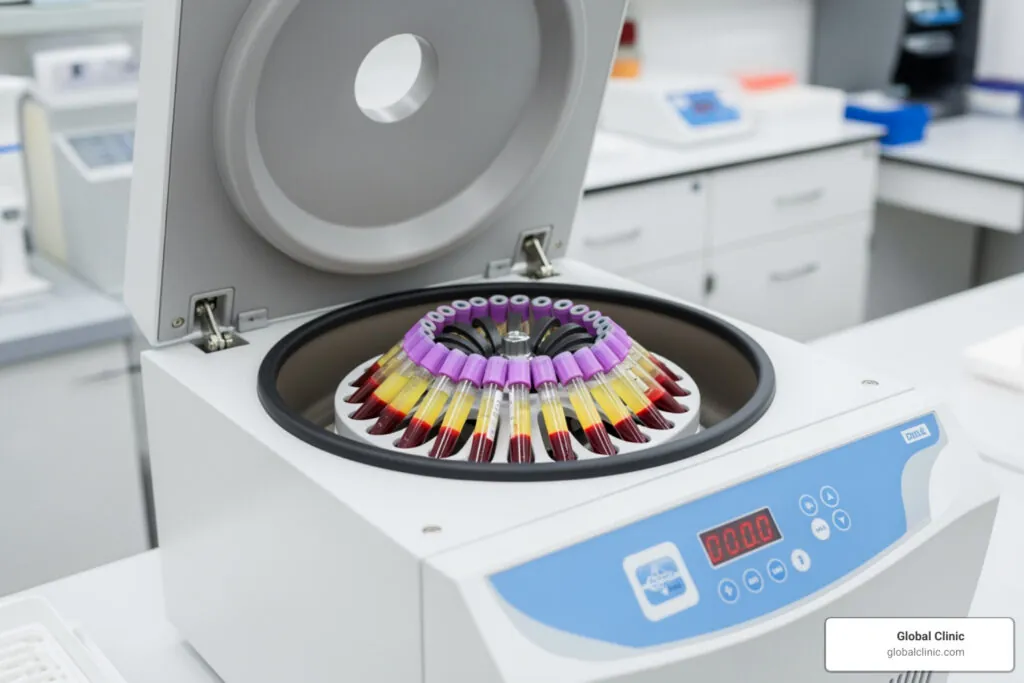
Once drawn, your blood sample is placed into a specialized device called a centrifuge. This is where the magic truly begins! The centrifuge spins the blood at high speeds, a process that separates its components based on their different densities. Imagine a salad spinner, but for your blood, separating the heavier parts from the lighter ones.
After several minutes in the centrifuge, your blood sample will have separated into three distinct layers:
- Red Blood Cells: These heavy cells settle at the bottom.
- Platelet-Poor Plasma (PPP): This is the top, clear, yellowish layer of plasma that contains very few platelets.
- Platelet-Rich Plasma (PRP): This crucial middle layer, often called the “buffy coat,” is where the concentrated platelets and growth factors reside. This is our “liquid gold” – a plasma solution with a platelet concentration significantly higher than that found in normal blood.
This concentrated PRP is then carefully extracted, ready for application to your skin.
The Application: Microneedling and Injections
With our “liquid gold” (your PRP) prepared, the next step is to deliver it to the deeper layers of your skin where it can work its regenerative wonders. There are two primary methods for applying PRP during a platelet plasma facial: microneedling and direct injections.
Microneedling: This technique, often referred to as collagen induction therapy, involves using a device equipped with tiny, fine needles to create thousands of microscopic channels in the surface of your skin. These micro-channels are not deep, but they are just enough to signal your body to kickstart its natural healing process, stimulating collagen and elastin production. When PRP is applied topically during or immediately after microneedling, these micro-channels act like superhighways, allowing the concentrated growth factors in the PRP to penetrate deeply into the skin. This dual action—microneedling to create controlled micro-injuries and PRP to boost healing—works synergistically to improve skin rejuvenation.
PRP Injections: For more targeted treatment of specific areas, such as deep wrinkles, fine lines around the eyes or mouth, or pronounced acne scars, PRP can be directly injected into the skin. This method delivers a higher concentration of growth factors precisely where they are needed most, prompting intense cellular repair and regeneration from within.
You may also have heard popular nicknames for this treatment, which typically combines microneedling with topical PRP. While the name sounds a bit dramatic, the process is rooted in sound science and focuses on using your body’s innate healing capabilities. Our approach at Global Clinic, serving communities like Glenview and Northbrook, emphasizes safety, efficacy, and your comfort throughout the entire process.
The Science-Backed Benefits of PRP for Skin Rejuvenation
The true beauty of a platelet plasma facial lies in its ability to leverage your body’s natural regenerative processes to improve skin quality. The growth factors within PRP are powerful biological messengers that tell your skin cells to get to work!
One of the primary benefits is the significant collagen production and elastin stimulation. Collagen and elastin are the foundational proteins that give our skin its firmness, elasticity, and youthful bounce. As we age, our natural production of these proteins slows down, leading to wrinkles and sagging. PRP aims to stimulate this production.
This surge in collagen and elastin leads to a cascade of visible benefits:
- Improved skin texture: Your skin may feel smoother and look more refined.
- Reduced fine lines & wrinkles: As new collagen plumps the skin, lines become less noticeable.
- Softer acne scars: PRP may help remodel scar tissue so acne scars appear softer and less prominent.
- Even skin tone: The regenerative properties can help to reduce hyperpigmentation and redness, leading to a more uniform complexion.
Studies also support these observations. A scientific review of PRP for facial rejuvenation highlights its efficacy in improving various skin concerns, noting high patient satisfaction rates. For instance, research indicates that a significant percentage of patients report satisfaction with improvements in skin texture, tone, and overall appearance after PRP treatments.
The beauty of this treatment is its natural approach. Instead of introducing foreign substances, we’re simply giving your skin the tools it needs to repair and refresh itself. This makes the platelet plasma facial a favorite for those seeking a more organic path to glowing skin. You can dig deeper into the scientific backing by exploring comprehensive reviews, such as this scientific review of PRP for facial rejuvenation.
Your PRP Journey: Candidates, Protocol, and Recovery
Starting on a platelet plasma facial journey is an exciting step towards natural skin rejuvenation. At Global Clinic, we believe in personalized care, which means thoroughly assessing whether this treatment is the right fit for you.
Is a platelet plasma facial right for you?
While the platelet plasma facial is a versatile and generally safe treatment, it’s not for everyone. We take pride in our comprehensive consultations at our Niles clinic, ensuring that this innovative approach aligns with your health and aesthetic goals.
Ideal candidates for a platelet plasma facial typically include individuals with:
- Mild to moderate skin aging: Those noticing early signs of fine lines, wrinkles, and loss of skin elasticity.
- Sun damage: Skin that exhibits discoloration, rough texture, or fine lines due to prolonged sun exposure.
- Acne scarring: Individuals looking to improve the appearance of depressed or textured scars left by past acne breakouts.
- Uneven skin tone or texture: Those seeking a more radiant, smooth, and uniform complexion.
- Good overall health: This is crucial, as the treatment relies on your body’s inherent healing capabilities.
However, there are certain contraindications where a platelet plasma facial might not be suitable or safe. It’s important to discuss your full medical history with your provider.
- Blood disorders: Conditions like platelet dysfunction syndromes, hypofibrinogenemia, or critical thrombocytopenia can affect the efficacy and safety of PRP.
- Active skin infections or cold sores: Any active infection in the treatment area must be cleared before the procedure to prevent complications.
- Certain medical conditions: This includes active cancer (especially hematological cancers), systemic infections, or chronic liver disease.
- Pregnancy and breastfeeding: As with many cosmetic procedures, we advise against PRP treatments during these times due to a lack of sufficient safety data.
- Anticoagulation therapy: Individuals taking blood thinners may not be ideal candidates due to increased risk of bruising.
Our team will conduct a thorough evaluation to determine if a platelet plasma facial is your path to glowing skin.
The Treatment Protocol and Expected Downtime
Once we’ve determined that a platelet plasma facial is right for you, we’ll walk you through the treatment protocol step-by-step. Our goal is always to make you feel comfortable and informed.
Here’s what you can generally expect:
- Preparation: To ensure your comfort, a topical numbing cream is applied to your face about 30-60 minutes before the procedure begins. This significantly minimizes any potential discomfort during the microneedling or injection process. While the cream does its work, we’ll prepare your PRP as described earlier.
- Procedure Duration: The actual treatment, including the blood draw, PRP preparation, and application, typically takes about one hour. It’s a relatively quick visit, making it easy to fit into a busy schedule.
- Recommended Sessions: While you might see some initial improvements, the best results from a platelet plasma facial are achieved through a series of treatments. We generally recommend 2-3 sessions, spaced approximately 4-6 weeks apart. This allows your skin enough time to respond and regenerate between treatments, building upon the previous session’s progress.
- Downtime: There will be some downtime, although it’s usually minimal and well-managed. Immediately after your platelet plasma facial, you can expect:
- Redness: Your skin will likely appear red, similar to a moderate sunburn. This typically subsides within 24-48 hours.
- Swelling: Mild swelling might occur, especially in sensitive areas, and usually resolves within a day or two.
- Tenderness: The treated areas might feel slightly tender to the touch for a short period.
- Mild bruising: While less common, especially with microneedling, some minor bruising can occur, particularly with direct injections.
Aftercare instructions are crucial for optimal results and a smooth recovery. We’ll provide detailed guidance, which usually includes: avoiding direct sun exposure, using gentle cleansers and moisturizers, refraining from harsh skincare products, and avoiding strenuous exercise for the first 24-48 hours. Our team will ensure you leave with all the information you need for a comfortable recovery.
How PRP Compares: Facials vs. Other Treatments
When considering skin rejuvenation, many options are available. Understanding how a platelet plasma facial stands out from other popular treatments like Botox and dermal fillers can help you make an informed decision.
| Feature | PRP Facial | Botox (Botulinum Toxin) | Dermal Fillers |
|---|---|---|---|
| Mechanism | Uses patient’s own growth factors to stimulate collagen and elastin. | Temporarily paralyzes specific muscles. | Injects hyaluronic acid or other substances to add volume. |
| Target Issues | Overall skin texture, tone, fine lines, acne scars, sun damage. | Dynamic wrinkles (e.g., frown lines, crow’s feet). | Static wrinkles, volume loss, contouring (e.g., lips, cheeks). |
| Results Timeline | Gradual improvement over 2-3 months. | Visible in 3-7 days. | Immediate. |
| Longevity | 6-12 months, with maintenance. | 3-6 months. | 6-18 months, depending on filler type and area. |
As you can see, each treatment has a distinct mechanism and addresses different concerns. While Botox relaxes muscles to smooth dynamic wrinkles and fillers add volume, the platelet plasma facial works to fundamentally improve skin health from within by stimulating your body’s natural regenerative processes. This makes it an excellent choice for those seeking overall skin quality improvement rather than just addressing specific lines or volume loss. It can also be a fantastic complementary treatment to other modalities.
PRP for Skin vs. PRP for Injuries and Hair Loss
It’s fascinating to note that Platelet-Rich Plasma isn’t just for turning back the clock on your skin. The versatility of PRP is truly remarkable, extending its healing powers to various medical fields. While the core principle—using concentrated growth factors—remains the same, its application and specific benefits differ depending on the area being treated.
When we use PRP for facial rejuvenation, our focus is primarily on stimulating collagen and elastin production. The growth factors signal fibroblasts (cells that produce collagen) and other skin cells to repair, rebuild, and refresh the dermal layers. This leads to improvements in skin texture, tone, and elasticity.
However, PRP has a long-standing history and extensive use in other areas:
- Orthopedic use: In sports medicine and orthopedics, PRP is widely used to support the healing of tendons, ligaments, cartilage, and joints. For instance, athletes with chronic tendonitis or ligament sprains often turn to PRP injections to reduce pain and promote faster recovery. The growth factors here help repair damaged tissues and reduce inflammation. You can learn more about its application in injuries, including how PRP is used for sports injuries.
- Hair restoration: For individuals experiencing hair thinning or loss, PRP injections into the scalp may stimulate dormant hair follicles, prolong the hair growth phase, and improve hair density and thickness. The growth factors in PRP nourish the follicles and encourage new hair growth. For more detailed information, consider exploring resources on PRP for hair loss.
At Global Clinic, our expertise in regenerative medicine extends beyond facial aesthetics to comprehensive pain management solutions. This broad understanding of PRP’s capabilities ensures that we appreciate the intricate ways your body can heal itself, whether it’s for youthful skin or a recovering joint.
Frequently Asked Questions about PRP Facials
It’s natural to have questions when considering a new treatment, especially one as innovative as a platelet plasma facial. We’ve compiled some of the most common inquiries our patients have to help you feel fully informed.
Is the PRP facial procedure painful?
This is one of the most common questions we hear, and it’s completely understandable to be concerned about discomfort. Our priority at Global Clinic is your comfort. Before your platelet plasma facial, we apply a high-quality topical numbing cream to the treatment area. This cream significantly reduces sensation, making the procedure much more tolerable.
Most patients describe the sensation during microneedling as a mild vibrating or gritty feeling, rather than sharp pain. If direct injections are used, you might feel a slight pinch or pressure. Overall, any discomfort is minimal and temporary. We encourage you to communicate any sensations you experience during the procedure so we can adjust as needed, ensuring your experience is as comfortable as possible.
How long do the results of a PRP facial last?
The results of a platelet plasma facial are not permanent, but they are long-lasting and continue to improve over time. Since PRP works by stimulating your body’s natural collagen and elastin production, the changes are gradual. You won’t see an overnight change, but rather a progressive improvement in your skin’s texture, tone, and firmness over the course of 2-3 months after your initial series of treatments.
Typically, the rejuvenating effects of a platelet plasma facial may last from several months to a year. The longevity of your results can be influenced by several factors, including your age, skin condition, lifestyle (e.g., sun exposure, smoking), and consistent skincare routine. To maintain your radiant results, we often recommend maintenance treatments, usually once or twice a year, after your initial series. Think of it as a tune-up for your skin, keeping that youthful glow going strong.
Who should perform a PRP facial?
Choosing the right provider for your platelet plasma facial is paramount for both your safety and the effectiveness of your results. This is not a procedure to be taken lightly or performed by untrained individuals.
It is absolutely crucial to have a platelet plasma facial performed by an experienced and qualified medical professional. This includes:
- Board-certified dermatologists: Physicians specializing in skin health.
- Plastic surgeons: Experts in aesthetic and reconstructive procedures.
- Medical doctors (MDs) or other licensed healthcare providers who have undergone specialized training in PRP therapy and aesthetic procedures.
At Global Clinic, our team of trained medical professionals in Niles is highly experienced in regenerative medicine and aesthetic treatments. We adhere to strict safety protocols, ensuring proper blood handling, PRP preparation, and sterile application techniques. We believe that an experienced provider is key to achieving optimal outcomes and minimizing any potential risks. Always ask about your provider’s credentials, experience with PRP, and their approach to safety precautions. Your skin’s health and your peace of mind are too important to compromise.
Conclusion: Embrace Your Natural Radiance
The platelet plasma facial offers a compelling approach to skin rejuvenation, using your body’s own incredible capacity for healing and renewal. It’s a natural way to address a range of common skin concerns, from fine lines and wrinkles to acne scars and uneven tone. By stimulating collagen and elastin production, we’re not just treating symptoms; we’re promoting long-term skin health and resilience from within.
At Global Clinic, serving Northern Chicago, we are deeply committed to providing personalized, innovative care that empowers you to look and feel your best. Our state-of-the-art facility and experienced team ensure that you receive the highest standard of treatment. We understand that every individual’s skin journey is unique, which is why we emphasize personalized treatment plans tailored to your specific needs and goals.
If you’re seeking a path to revitalized, naturally radiant skin, we invite you to consider the transformative potential of a platelet plasma facial. To find out whether a PRP facial is right for you, call (847) 299-7000 or schedule a consultation at our Niles clinic, 8565 W. Dempster St.
Explore our regenerative medicine services to start your journey and find how we can help you open up your body’s innate healing power.