






Understanding Platelet-Rich Plasma: A Natural Path to Healing
Platelet-rich plasma is a concentrated solution made from your own blood that contains healing growth factors used to treat injuries, chronic pain, and tissue damage. Here’s what you need to know:
- What it is: A concentration of your blood’s platelets (3-10 times normal levels) suspended in plasma
- How it works: Releases growth factors that trigger your body’s natural healing response
- Common uses: Tendon injuries, osteoarthritis, ligament damage, hair loss, and chronic pain
- Safety: Very low risk since it uses your own blood
- Results: Pain improvement typically seen in 4-6 weeks, with effects lasting 6 months to 2 years
First used in surgery over two decades ago, platelet-rich plasma is now a widely studied treatment in orthopedics, sports medicine, and pain management. The therapy works because platelets—the blood cells that help wounds clot—also contain powerful proteins called growth factors. When concentrated and injected into damaged tissue, these growth factors can accelerate healing, reduce inflammation, and promote tissue regeneration.
For those dealing with chronic pain from arthritis, stubborn tendon injuries, or muscle strains, PRP offers a minimally invasive alternative to long-term medication or surgery. It’s appealing because it harnesses your body’s own healing mechanisms.
I’m Ana Vinikov, Practice Manager at Global Pain & Spine Clinic. Our team has over 20 years of combined experience using innovative, non-surgical approaches like platelet-rich plasma therapy to treat chronic pain and injuries. We’ve seen how PRP helps patients find relief and get back to their lives.
What is Platelet-Rich Plasma (PRP) and How Does It Work?
Think of platelet-rich plasma as your body’s own healing concentrate, delivered exactly where you need it most. Your blood contains several components: red blood cells, white blood cells, plasma (the liquid portion), and platelets. While platelets are known for clotting, they are also packed with hundreds of specialized proteins called growth factors and cytokines, which signal your body to start healing.
When you’re injured, platelets rush to the site, form a clot, and release these growth factors to begin repairs. This is the natural healing cascade. Platelet-rich plasma therapy amplifies this process. We concentrate the platelets from your blood via centrifugation and inject this healing solution directly into your injured tissue, delivering a powerful dose right where it’s needed. You can read more about the role of platelets in healing in peer-reviewed research.
The Science Behind Platelet-Rich Plasma for Healing
Regular blood has a baseline level of platelets, but platelet-rich plasma contains 5 to 10 times that concentration. This means a dramatically higher dose of healing growth factors. When injected into damaged tissue, these growth factors recruit stem cells and other reparative cells to the area, encouraging them to form new cartilage, tendon, ligament, or muscle tissue.
These growth factors also stimulate the formation of new blood vessels (angiogenesis), improving blood flow and nutrient delivery to speed up healing. They boost collagen production to rebuild and strengthen connective tissue. Additionally, PRP has anti-inflammatory effects that help reduce the chronic inflammation underlying long-term pain. This combination of tissue regeneration, improved blood supply, and inflammation reduction makes PRP effective for conditions that haven’t responded to other treatments.
How PRP is Produced
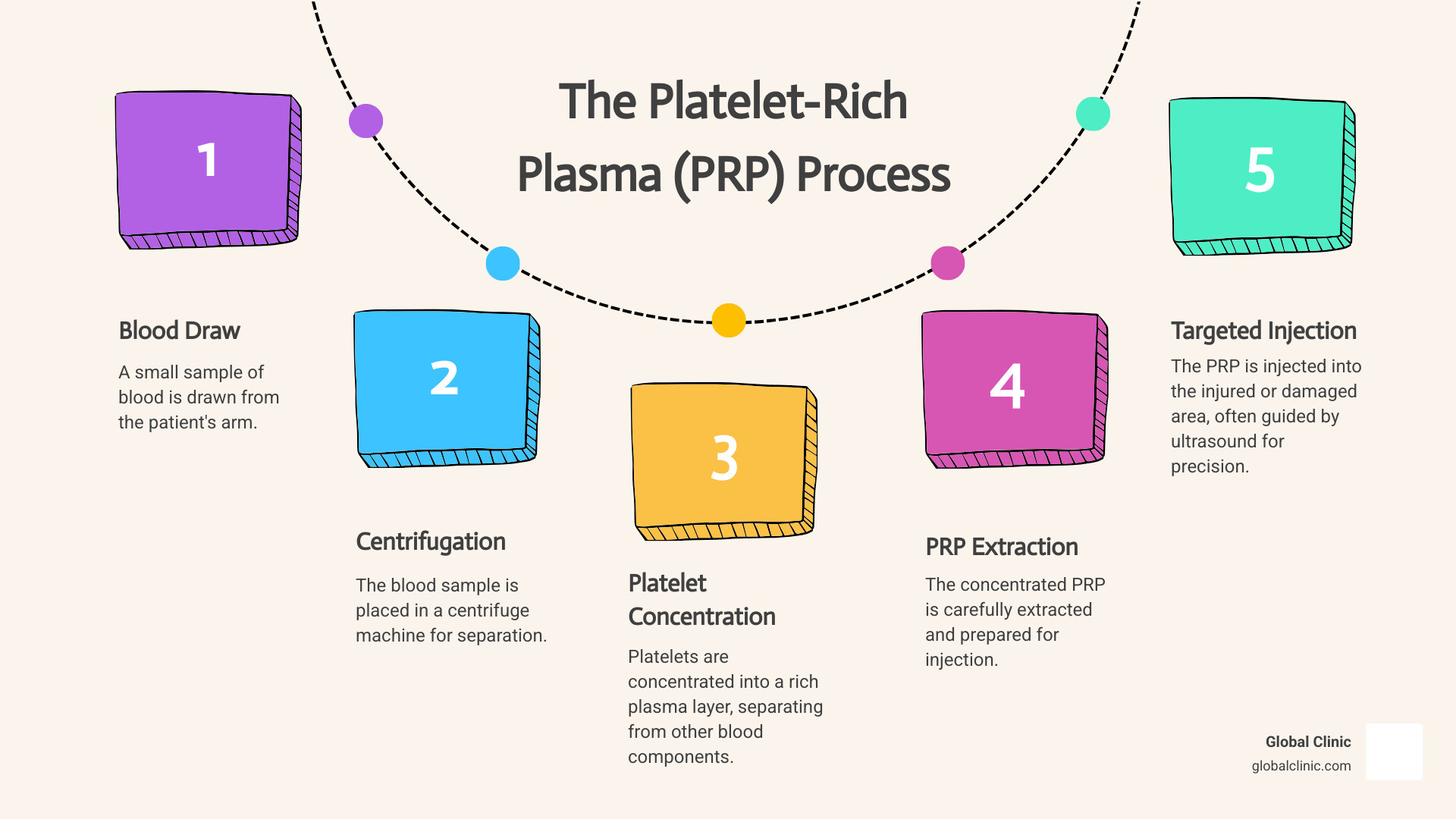
Creating your personalized platelet-rich plasma is a straightforward process we perform in our clinic. It starts with a small blood draw from your arm.
We then place your blood into a centrifuge, a machine that spins it at high speed. This process separates the blood into three layers based on density: red blood cells at the bottom, platelet-poor plasma at the top, and a thin, golden middle layer called the buffy coat. This buffy coat is incredibly rich in platelets.
We carefully extract this platelet-rich layer to create your platelet-rich plasma solution. The entire preparation takes less than 20 minutes. An anticoagulant is used during the blood draw, but the final product is purely your own blood, concentrated and ready to promote healing.
The PRP Injection Procedure: A Step-by-Step Guide
Getting a platelet-rich plasma injection at Global Clinic is a straightforward outpatient procedure performed in our clinics across Northern Chicago. Most patients are in and out within an hour.
Your treatment begins with a consultation to review your medical history and discuss your goals. We ensure PRP is the right fit for your specific situation and will be honest if another approach might work better.

If you’re curious about what the procedure looks like in action, Johns Hopkins Medicine has put together a helpful video that shows the PRP process from start to finish.
Preparing for the Injection
Preparation for your platelet-rich plasma treatment is simple. We’ll provide a few guidelines to ensure the best results:
- Avoid anti-inflammatory medications (like ibuprofen) for about two weeks beforehand, as they can interfere with platelet function. Tylenol is acceptable for pain relief.
- Stay well-hydrated and eat before your appointment to prevent lightheadedness during the blood draw.
- Discuss comfort options with us. We can use a numbing cream or local anesthetic at the injection site if you’re concerned about discomfort.
What to Expect During Your Platelet-Rich Plasma Injection
On the day of your appointment, the process is efficient. We start by drawing a small blood sample from your arm.
Your blood is then placed in a centrifuge, which spins for 15-20 minutes to separate the components and create the concentrated layer of platelets. While this happens, we sterilize the injection site to minimize infection risk.
Once your platelet-rich plasma is ready, our specialist injects it into the targeted area. For most joint and deep tissue treatments, we use ultrasound guidance. This real-time imaging allows us to deliver the PRP with precision directly to the damaged tissue, ensuring the concentrated healing power goes exactly where it’s needed.
The entire visit typically takes less than an hour. Cosmetic treatments like hair restoration may take slightly longer due to multiple injection points.
Common Conditions Treated with Platelet-Rich Plasma
Platelet-rich plasma is a versatile tool for natural healing, offering a regenerative approach for athletes, those with arthritis pain, and even individuals seeking cosmetic treatments. We use it extensively in orthopedics, sports medicine, and dermatology at our Northern Chicago clinics. Each treatment plan is personalized, often complementing our Musculoskeletal Rehabilitation services. For more information about how we support recovery, check out our Musculoskeletal Rehabilitation services.
Musculoskeletal and Sports Injuries
For active people sidelined by injuries that won’t heal with rest and physical therapy, platelet-rich plasma can make a real difference. It has shown remarkable results for chronic conditions, including:
- Tendon Injuries: Tennis elbow, golfer’s elbow, Achilles tendinopathy, and patellar tendinitis (jumper’s knee).
- Ligament Sprains: Injuries to the knee (ACL/MCL) or ankle that cause instability.
- Muscle Strains and Tears: Hamstring pulls or calf injuries, where PRP can speed up recovery.
- Rotator Cuff Tears: For partial-thickness tears or chronic tendinopathy, PRP can improve pain and function without surgery. Research on PRP for rotator cuff disease continues to show promising results.
Osteoarthritis and Joint Pain
Platelet-rich plasma offers hope for managing osteoarthritis, the wear-and-tear condition that breaks down joint cartilage. By reducing inflammation and nourishing remaining cartilage, PRP can reduce pain and improve function, potentially delaying or avoiding joint replacement surgery.
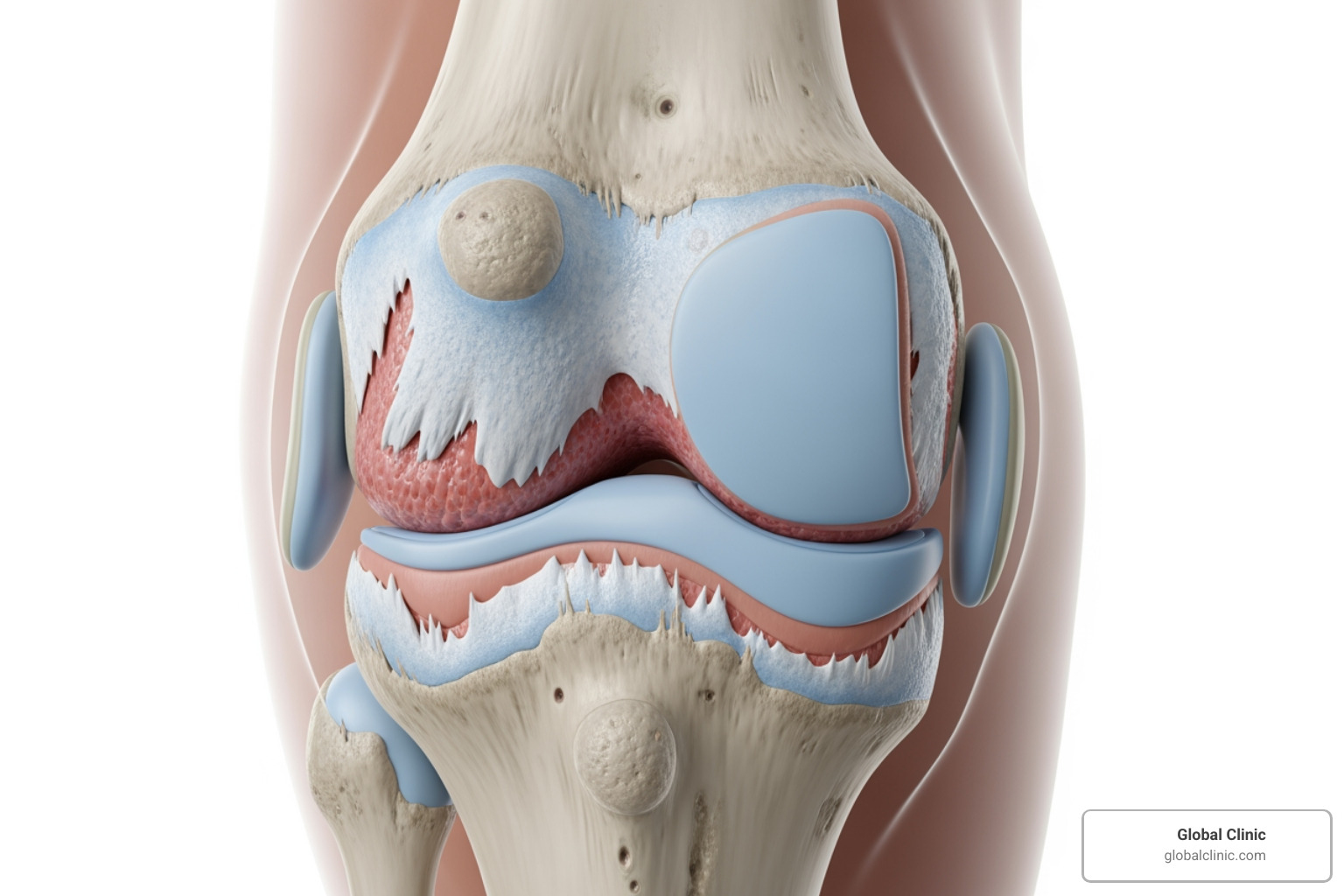
We commonly treat osteoarthritis in the knee, hip, and shoulder. For mild-to-moderate knee osteoarthritis, studies show PRP can be more effective and longer-lasting than traditional hyaluronic acid injections.
Hair Loss and Skin Rejuvenation
Platelet-rich plasma also has impressive cosmetic applications.
- Hair Loss: For androgenetic alopecia (hereditary hair loss), PRP injections into the scalp can stimulate dormant hair follicles, improving hair density and thickness over several months.
- Facial Rejuvenation: Known as the “Vampire Facial,” this treatment uses your platelets to stimulate collagen production. This can soften fine lines and wrinkles, improving skin texture and tone for a refreshed, natural glow.
PRP Recovery, Results, and Potential Side Effects
One of the most reassuring aspects of platelet-rich plasma therapy is its excellent safety profile. Because it uses your own blood, there is no risk of allergic reaction or disease transmission. At Global Clinic, we stay current with the latest Trends in PRP utilization to ensure the safest, most effective care. Individual results can vary based on your condition, health, and how your body responds.
Recovery and Timeline
After your platelet-rich plasma injection, some initial soreness, swelling, or bruising at the injection site is normal and a good sign—it means the healing process has begun. The PRP triggers a controlled inflammatory response that mobilizes healing cells.
For the first few days, avoid anti-inflammatory medications like ibuprofen, as they can interfere with this beneficial response; Tylenol is a safe alternative for pain relief. Depending on the treated area, we may suggest a brief rest period or a protective device like a cam walker. You’ll gradually return to normal activities under our guidance.
Physical therapy is often a key partner in recovery, helping to strengthen the treated area and restore full function. Most patients notice pain improvement between four and six weeks, with continued healing for up to a year.
Expected Results and Longevity
While some people experience dramatic relief, others notice more gradual changes. The beauty of PRP is that your body continues repairing tissue for months after the injection. The effects typically last from six months to two years, with some studies on knee osteoarthritis showing even longer-lasting results.
For optimal outcomes, we often recommend a series of one to three treatments, scheduled six to eight weeks apart. We’ll assess your response and adjust the plan as needed. Factors like your age, the severity of your condition, and overall health influence the outcome, which is why we conduct a thorough initial consultation.
Potential Risks and Contraindications
While platelet-rich plasma therapy is very safe, it’s important to understand the minimal risks. The most common side effects are mild, temporary pain, soreness, and bruising at the injection site, managed with rest and Tylenol. As with any injection, there is a very small risk of infection, bleeding, or nerve injury, which we minimize by following strict sterile protocols.
Because PRP uses your own blood, there is no risk of tissue rejection or allergic reaction to the plasma itself. While rare, some adverse events have been documented in medical literature, often related to numbing agents rather than the PRP. You can review more details on Adverse events related to PRP therapy.
PRP is not appropriate for everyone. Contraindications include:
- Blood disorders (e.g., low platelet count)
- Active infections
- Certain types of active cancer
- Significant anemia
- Pregnancy
We carefully screen every patient to ensure PRP is a safe and appropriate choice for you.
Comparing PRP to Other Treatments and Its Future in Medicine
When dealing with chronic pain, it’s natural to wonder about your options. Platelet-rich plasma therapy is different from traditional treatments because it focuses on helping your body heal itself rather than just masking symptoms.
PRP and Other Approaches
Understanding how platelet-rich plasma differs from other common treatments can help you make an informed decision.
- Corticosteroid Injections: Cortisone shots provide quick anti-inflammatory relief but don’t repair tissue and can weaken it over time. PRP, in contrast, stimulates your body’s healing cascade to regenerate damaged tissue, potentially offering better long-term results for chronic tendon issues.
- Hyaluronic Acid Injections: Often used for osteoarthritis, these injections act as a joint lubricant. Studies suggest PRP may be more effective for knee osteoarthritis because it reduces inflammation and stimulates cartilage repair, offering longer-lasting relief.
- Physical Therapy: PRP doesn’t replace physical therapy—it improves it. By accelerating tissue healing, PRP can help you progress more effectively through your rehabilitation program.
- Surgery: As a minimally invasive option, PRP can serve as a bridge between conservative care and surgery, helping patients delay or even avoid an operation. It can also be used to improve healing after surgery. You can read more in A critical analysis of PRP in orthopaedics.
Fundamentally, platelet-rich plasma works to repair and regenerate tissue at its source, providing both short-term pain relief and long-term structural improvement.
The Future of Regenerative Medicine
The field of regenerative medicine is evolving quickly, with platelet-rich plasma at the forefront. Current research focuses on standardizing protocols to make outcomes more predictable. At the same time, new applications are being explored for nerve injuries, chronic wounds, and other conditions.
One of the most promising directions is combination therapies, where platelet-rich plasma is used with other orthobiologics like stem cells to create a more powerful healing response. The future is moving toward personalized treatments custom to an individual’s unique needs. The promise of regenerative medicine lies in this customized approach.
As technology and our understanding deepen, the Future outlook for orthobiologics suggests that treatments like PRP will become even more targeted and effective. At Global Clinic, we are committed to staying at the forefront of these developments, shifting the focus from managing chronic conditions to actually healing them.
Conclusion
Finding lasting relief from chronic pain or a stubborn injury can feel overwhelming. Platelet-rich plasma therapy offers a solution by using your body’s own healing abilities. By concentrating the growth factors in your blood, PRP provides a minimally invasive path to recovery that works with your body to repair and rebuild damaged tissue naturally.
From tennis elbow and knee osteoarthritis to hair loss, the versatility of platelet-rich plasma allows it to address the root cause of a condition rather than just masking symptoms. It is regenerative medicine at its finest.
At Global Clinic, our team has over 20 years of experience helping patients across Northern Chicago find relief with innovative, personalized care. We understand that every journey is unique and are committed to developing a treatment plan that fits your goals. We believe in empowering your body to heal itself, and PRP therapy is one of the most exciting ways we do that.
If traditional treatments haven’t helped your persistent pain or injury, it may be time to explore what regenerative medicine can offer.
Learn about our Regenerative Medicine options to find the full range of innovative treatments we offer.
Ready to take the first step? Visit our dedicated page for more information about PRP Injections and schedule your consultation with our experienced team. We’re here to help you get back to doing what you love.