




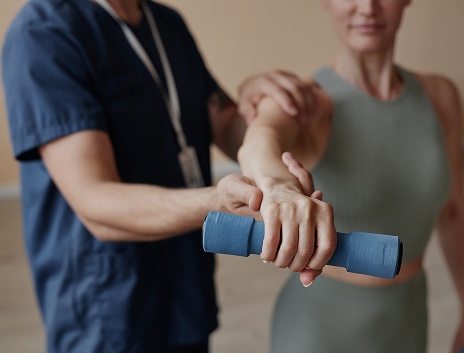



Why Joint Pain Shouldn’t Keep You From Living Your Life
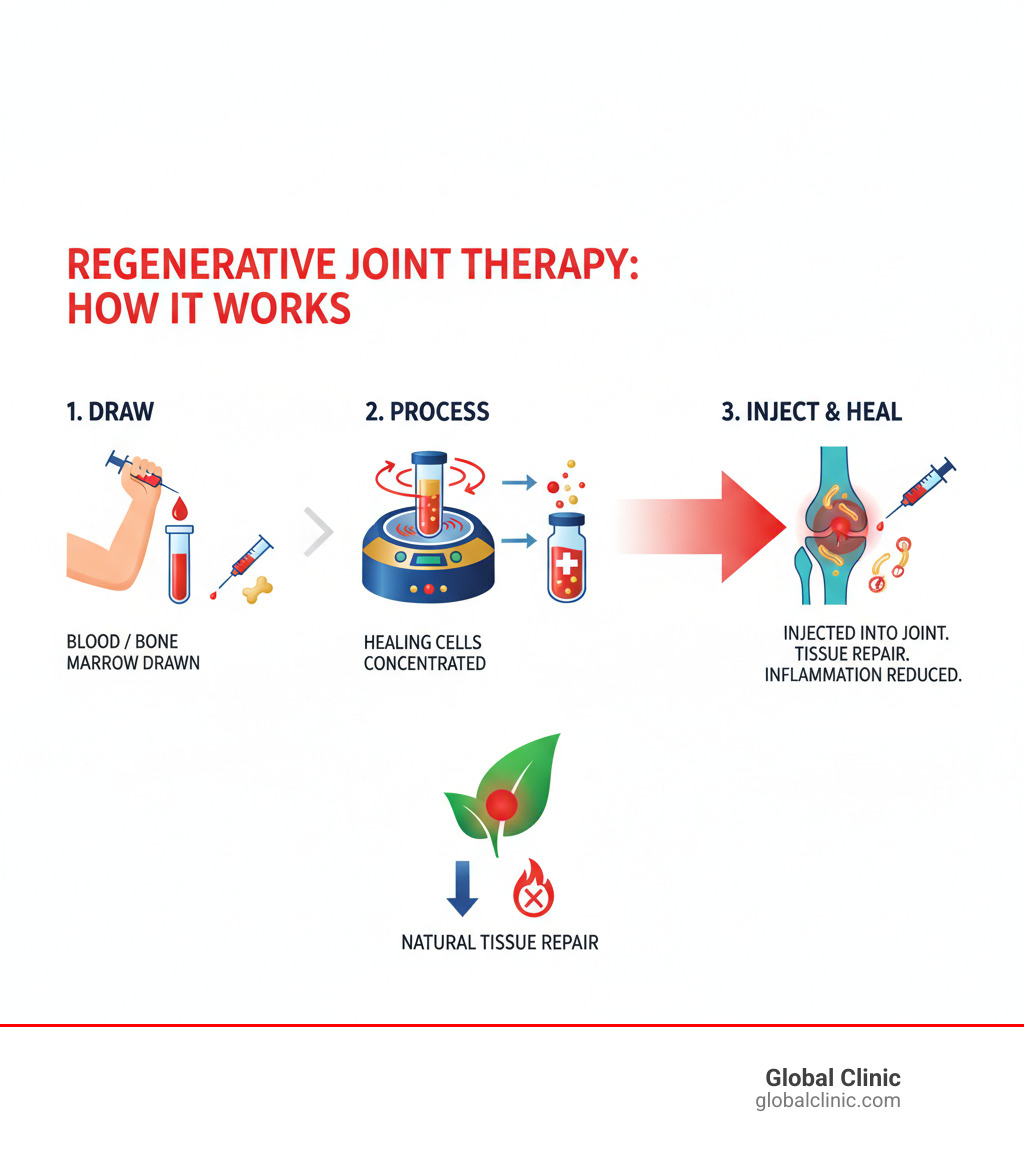
Regenerative joint therapy harnesses your body’s natural healing abilities to repair damaged joints and reduce pain—without surgery or long-term medication. This innovative approach uses your own blood platelets to stimulate tissue repair, reduce inflammation, and improve function in joints affected by osteoarthritis, injuries, or wear and tear.
What You Need to Know About Regenerative Joint Therapy:
- What it treats: Knee osteoarthritis, rotator cuff tears, tendon injuries, back pain, and other degenerative joint conditions
- How it works: Uses concentrated platelets (PRP) to trigger your body’s natural healing response
- Key benefits: Minimally invasive, drug-free, targets root causes rather than just masking symptoms
- Recovery: Faster than surgery with lower risk of complications
- Limitations: Not yet standardized, often not covered by insurance, results vary by individual
- Best candidates: Those with early to moderate joint damage who want to avoid or delay surgery
More than 500 million people worldwide live with osteoarthritis, a degenerative joint disease that causes severe pain. While the body is remarkably good at healing itself, chronic conditions can overwhelm its capacity. When that happens, regenerative therapies can provide the support it needs.
Unlike pain medications that only mask symptoms or cortisone injections that provide temporary relief, regenerative approaches aim to repair the underlying damage. These treatments use your own biological materials to reduce inflammation, promote new tissue growth, and restore joint function naturally. Treatment plans are customized to your specific condition, ensuring you receive the most effective therapy for your unique needs.
I’m Anna Slavin, Practice Manager at Global Clinic, where we bring cutting-edge treatments like regenerative joint therapy to patients seeking alternatives to surgery. Our multidisciplinary team combines regenerative medicine with comprehensive pain management to help you get back to the activities you love. Let’s explore what this innovative approach could mean for your joint health.
Understanding Joint Pain and the Promise of Regeneration
Joint pain doesn’t just hurt—it can keep you from the activities you love and make simple tasks feel overwhelming. Whether your pain is from an injury or developed over years, the impact on your life is real.
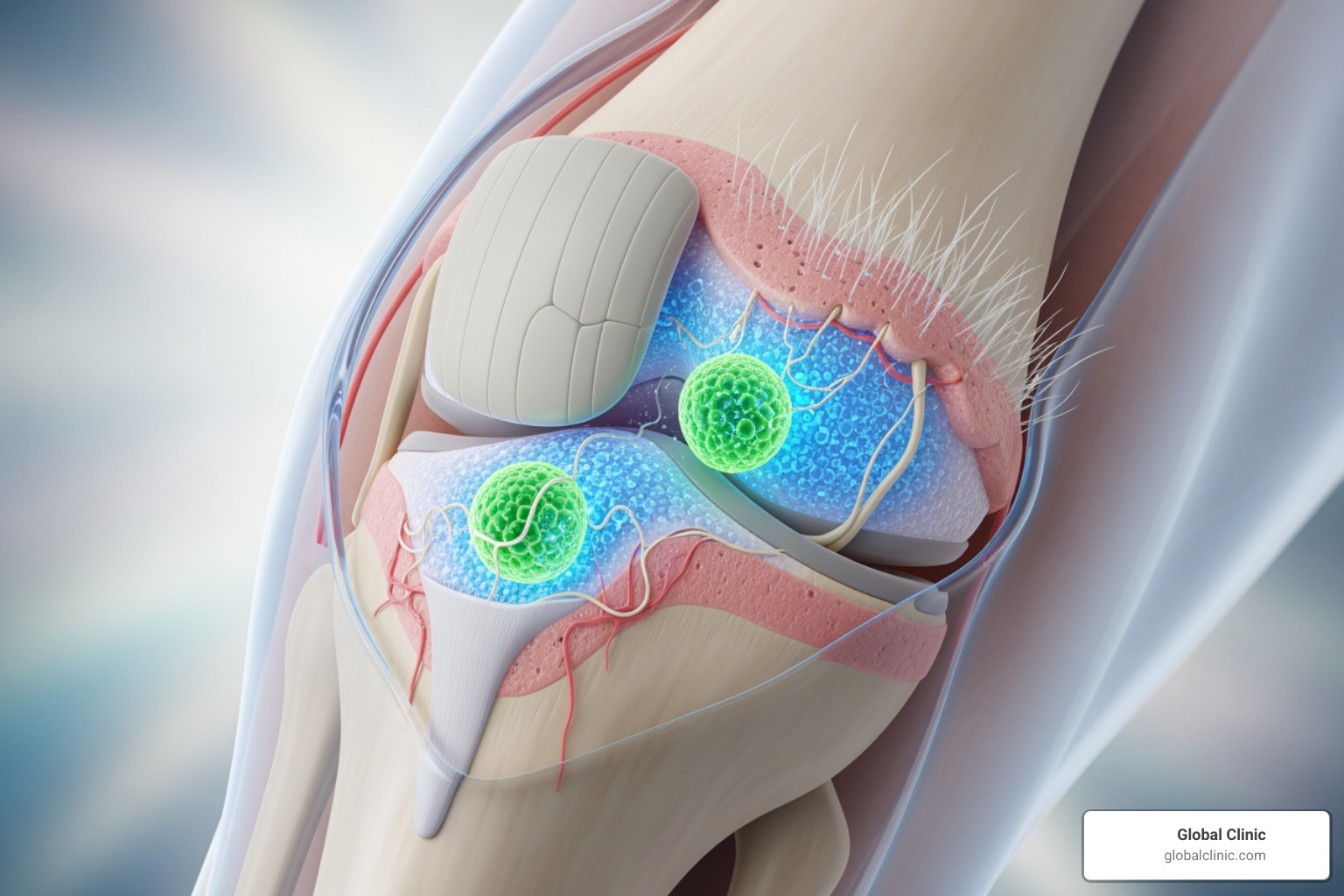
Osteoarthritis is the most common form of arthritis. In this degenerative disease, the protective cartilage that cushions your bones gradually breaks down. Because cartilage lacks a direct blood supply, it has very little ability to repair itself. Other conditions like rotator cuff tears, chronic tendonitis, and back pain from degenerative disc disease also create a cycle of inflammation and pain that overwhelms the body’s natural healing process.
Traditional medicine often focuses on managing symptoms, which can lead to major surgery like joint replacement. It’s no wonder people are looking for alternatives.
What is Regenerative Medicine for Joints?
This is where things get exciting. Regenerative medicine isn’t about covering up the problem—it’s about helping your body repair and revitalize damaged tissues from the inside out. Instead of just prescribing pain medication, we use your own biological materials—specifically Platelet-Rich Plasma (PRP)—to kickstart tissue repair. This represents a fundamental shift in joint care, focusing on repair and regeneration rather than accepting progressive decline as inevitable.
The Goal: Addressing the Root Cause
The goal of regenerative joint therapy is to fix the problem, not just mask it. By repairing damaged tissue, reducing inflammation naturally, and improving joint function, we aim for lasting relief. Moving beyond painkillers is a major benefit for many patients, as it avoids side effects and dependence. For many, this approach offers hope for delaying or even avoiding joint replacement surgery. While these treatments may not completely reverse advanced arthritis, they can significantly improve pain and help you maintain an active lifestyle. The science is continually evolving, with ongoing research on cartilage regeneration exploring new ways to restore damaged joint tissues.
For more information on how we approach various pain conditions, you can explore our comprehensive guide on pain management.
Exploring the Types of Regenerative Joint Therapy
At Global Clinic, we specialize in autologous therapies—meaning we use your body’s own cells to promote healing. We’re not introducing foreign substances; we’re concentrating and redirecting your body’s natural healing resources to where they’re needed most. These minimally invasive procedures are performed on an outpatient basis, and most patients return to light activities within a few days.
Platelet-Rich Plasma (PRP) Therapy
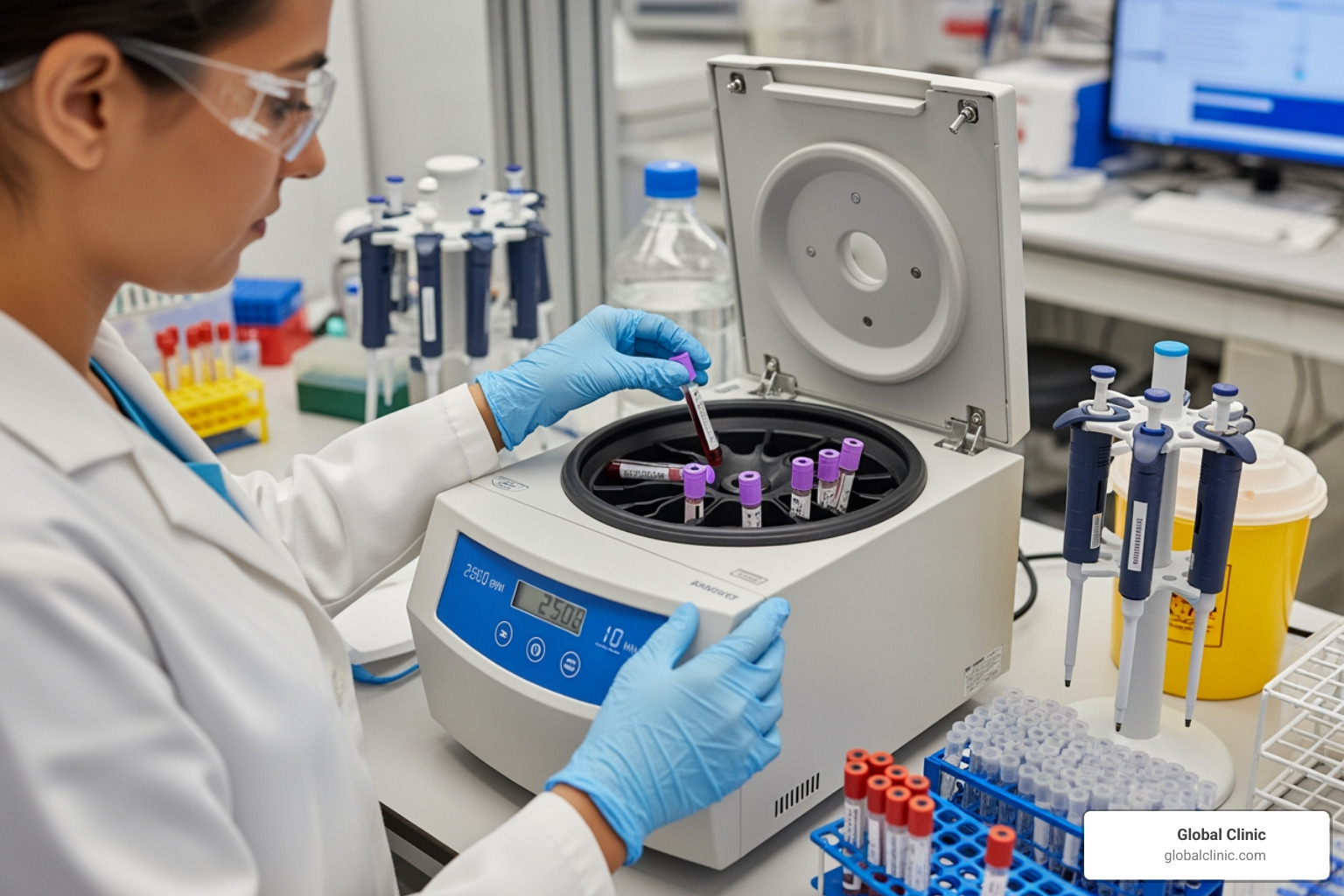
PRP therapy concentrates your body’s natural repair kit. We draw a small sample of your blood and use a centrifuge to separate and concentrate the platelets. These platelets are packed with growth factors—the chemical messengers that tell your body to start repairing damaged tissue. When we inject this concentrated solution into your injured joint, these growth factors stimulate new, healthier tissue growth and naturally reduce inflammation.
PRP has shown promise for knee osteoarthritis, chronic tendonitis, plantar fasciitis, and rotator cuff tears. It’s particularly appealing for patients who want to avoid surgery. One important consideration: PRP injections are typically not covered by insurance. Learn more in our detailed guide on PRP Injections.
How Does Regenerative Joint Therapy Work Biologically?
When we introduce PRP into a damaged joint, we’re jumpstarting a natural healing cascade. The concentrated cells and growth factors use cellular signaling to communicate with existing cells, calling in your body’s repair crew. These cells release chemical messengers that initiate cartilage repair and have anti-inflammatory and protective capabilities.
One of the most important benefits is reducing chronic inflammation, which breaks down tissue. PRP helps modulate your immune response, dampening this destructive process. They also recruit other local cells to join the repair effort and can even promote the growth of new blood vessels, bringing essential oxygen and nutrients to tissues like cartilage that have poor circulation.
Regenerative vs. Traditional: A New Path to Healing
For decades, the path for joint pain was medication, cortisone shots, and eventually surgery. At Global Clinic, we focus on alternatives that work with your body to heal the underlying damage. That’s the key difference between regenerative joint therapy and traditional approaches—one aims to repair, the other to manage.
| Feature | Regenerative Joint Therapy | Cortisone Injections |
|---|---|---|
| Invasiveness | Minimally invasive (injections) | Minimally invasive (injections) |
| Recovery Time | Generally faster, minimal downtime | Little to no immediate downtime |
| Mechanism | Stimulates body’s natural healing, tissue repair, anti-inflammatory | Powerful anti-inflammatory, masks pain |
| Goal | Tissue regeneration, improved function, long-term healing | Short-term pain relief, inflammation reduction |
| Long-term Effect | Aims for durable repair, potentially delays/avoids surgery | Temporary relief, repeated use can weaken cartilage |
Cortisone is a powerful anti-inflammatory that provides fast but temporary relief. The pain often returns, and repeated injections can weaken cartilage and tendons. Regenerative therapies work differently by introducing your body’s own concentrated healing factors (platelets) to stimulate tissue repair and reduce inflammation naturally.
Key Benefits of a Regenerative Approach
Because these are minimally invasive procedures, you avoid the major trauma, hospital stay, and lengthy rehabilitation of surgery. The risk of complications is significantly lower. Recovery is also much faster, with minimal downtime.
Perhaps most importantly, regenerative joint therapy offers a drug-free path to pain relief that addresses the root cause. By aiming to repair damaged tissue, these therapies can improve joint function and potentially help you delay or avoid surgery altogether.
Limitations of Traditional Treatments
Traditional treatments have their place, but their limitations are significant. Long-term use of pain medications like NSAIDs can cause serious side effects, while prescription opioids carry a real risk of dependence. Cortisone injections offer only temporary relief and can accelerate joint degeneration over time. When these options fail, major surgery often becomes the next step, involving months of recovery and significant time away from work.
Navigating Your Options: Is Regenerative Therapy Right for You?
Choosing the right treatment for your joint pain requires a proper diagnosis and realistic expectations. At Global Clinic, we believe in helping you understand where regenerative joint therapy stands today, including its costs and insurance status.
Who is a Good Candidate for Regenerative Joint Therapy?
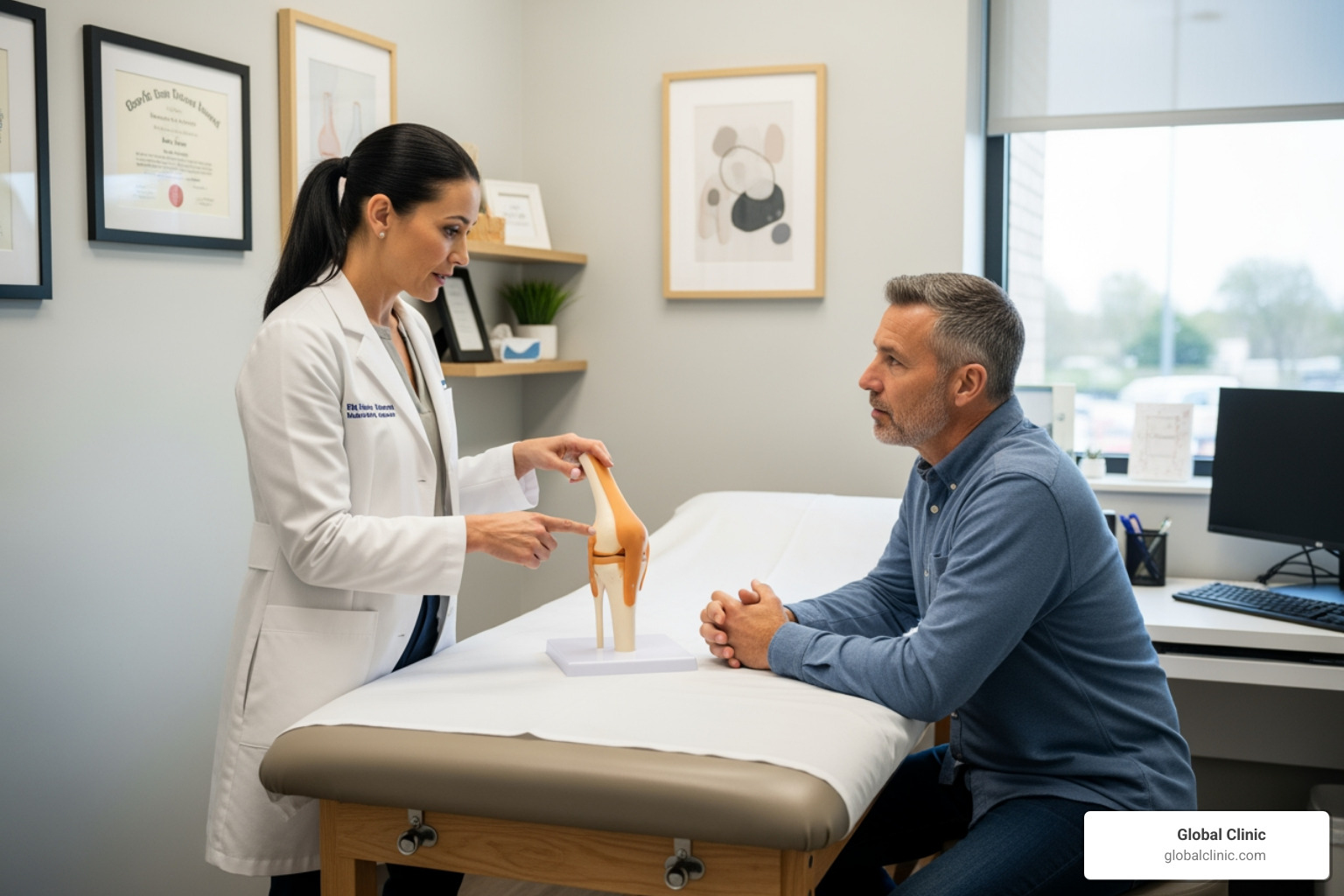
Determining if this therapy is right for you starts with a thorough evaluation. Generally, good candidates include:
- People with early to moderate joint degeneration, where there is still viable tissue to repair.
- Active individuals motivated to return to their favorite activities with a faster recovery than surgery.
- Patients looking to avoid or delay surgery after being told it’s their only option.
- Those who have tried conservative treatments (physical therapy, cortisone) without lasting relief.
Your overall health is also a factor. We thoroughly evaluate your medical history to ensure regenerative therapy is a safe and appropriate path for you.
Current Challenges and Making an Informed Choice
While promising, it’s important to be aware of the current challenges in this field.
-
Lack of Standardization and Evidence: Protocols can vary between clinics, and the scientific evidence for some therapies is still evolving. The marketing can sometimes get ahead of the science.
-
Cost and Insurance Coverage: These treatments are typically not covered by insurance, meaning you’ll be responsible for the full out-of-pocket expense. At Global Clinic, we are committed to financial transparency.
-
Finding a Qualified Provider: With thousands of clinics now operating, not all offer the same level of expertise. Look for qualified healthcare professionals at reputable clinics with a history of evidence-based care. Ask about their experience, the evidence for their recommended therapy, potential risks, and total costs. A provider who is confident in their approach will welcome your questions.
The Future is Now: Advancements in Joint Repair
The field of regenerative joint therapy is moving fast, and we’re no longer limited to just managing pain or waiting for surgery. At Global Clinic, we stay at the forefront of these innovations to bring them to our community in Northern Chicago.
Ongoing research is the backbone of everything we do, changing promising ideas into reliable treatments that genuinely help people. This research is what validates the safety and efficacy of treatments that seemed like science fiction just a decade ago.
Frequently Asked Questions about Regenerative Joint Therapy
When considering regenerative joint therapy, it’s natural to have questions. Here are clear, honest answers to the most common concerns we hear.
Is regenerative joint therapy painful?
Most procedures are surprisingly comfortable. We use a local anesthetic to numb the area, so the injection itself causes minimal discomfort. Afterward, you may experience some temporary soreness or stiffness at the injection site. This is often a positive sign that your body’s natural healing process has been activated. We provide detailed post-procedure instructions to help you manage these sensations.
How long does it take to see results?
This is not an instant fix. Because we are asking your body to rebuild damaged tissue, the process takes time. Some patients notice improvements within a few weeks, but for most, meaningful results emerge gradually over several months. The initial inflammatory response is followed by a longer tissue healing phase. Physical therapy is crucial during this time to support the regenerative process and maximize the treatment’s potential.
Is regenerative joint therapy covered by insurance?
Unfortunately, most regenerative joint therapy procedures, including PRP, are not yet covered by insurance. These treatments are still considered relatively new by insurance providers, who require extensive long-term data before providing coverage. This means the treatment is typically an out-of-pocket expense. At Global Clinic, we believe in complete transparency about costs and will discuss the full financial picture with you before you commit to a treatment plan.
Take the Next Step Towards Healing
If you’re tired of temporary fixes and looking for an alternative to surgery, you have options. Regenerative joint therapy represents a genuine shift in joint care, working with your body’s natural healing abilities to repair damaged tissue, reduce inflammation, and restore function.
At Global Clinic, we help people in Northern Chicago find relief from chronic pain. Our multidisciplinary team combines cutting-edge regenerative medicine with comprehensive pain management, physical therapy, and chiropractic care. We believe in treating the whole person, which is why every treatment plan is personalized to your unique condition and goals.
We know choosing a provider is a big decision. That’s why we prioritize education and honest conversations about what these therapies can realistically achieve. Our state-of-the-art facility offers innovative care at affordable pricing because we believe cost shouldn’t be a barrier to feeling better.
Ready to explore how regenerative joint therapy might help you reclaim an active, more comfortable life? Our team is here to answer your questions.
Schedule a Callback to discuss your options