







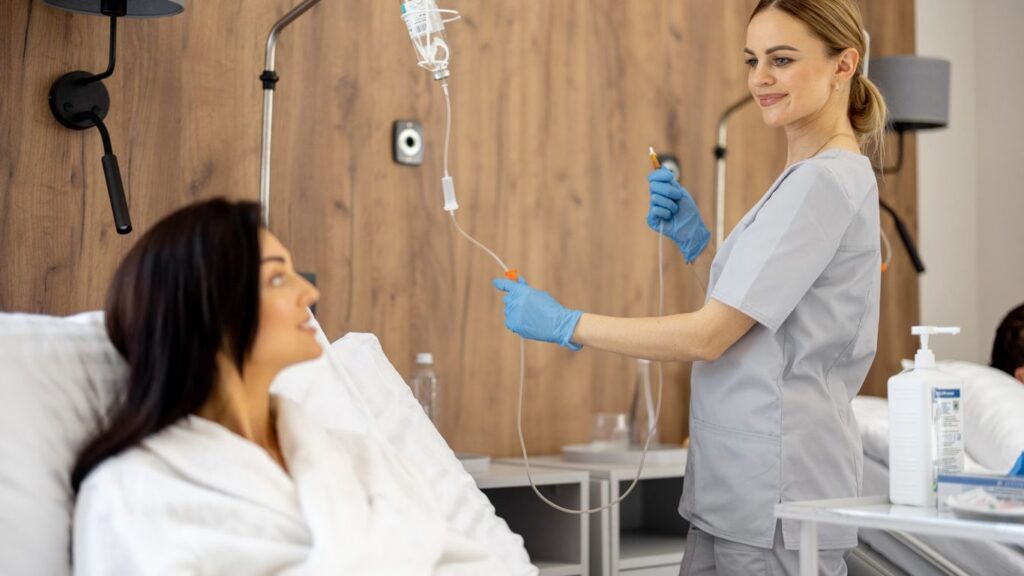
Thinking about trying iv therapy? It’s a hot topic, and for good reason. People are using it for all sorts of things, from feeling more energetic to getting clearer skin. But what’s really going on with it? This guide breaks down the basics of iv therapy – what it is, why people are into it, what you can expect if you decide to try it, and some important things to keep in mind. We’ll cover the good, the maybe-not-so-good, and help you figure out if iv therapy is something you should consider.
Key Takeaways
- IV therapy delivers nutrients directly into your bloodstream, offering 100% bioavailability compared to oral supplements.
- Benefits can include improved skin health, boosted energy levels, mood enhancement, and support for recovery.
- A typical session involves a brief consultation, the infusion process (usually 30-60 minutes), and minimal to no downtime afterward.
- Consistency and lifestyle choices play a big role in maximizing and maintaining the results from your IV therapy.
- It’s important to choose a reputable provider and be aware of potential risks, contraindications, and the off-label uses of certain therapies.
Understanding the Science Behind IV Therapy

So, you’re curious about IV therapy and how it actually works, right? It’s not just about getting a needle stuck in your arm and hoping for the best. There’s some real science behind why it can be so effective, especially when compared to just popping a pill or slathering on a cream.
The Bioavailability Advantage of IV Drips
When you eat food or take oral supplements, your digestive system has to break everything down. Think of your stomach acid and intestines as a bit of a filter. A lot of the good stuff, like vitamins and minerals, can get lost in that process. This means that even if you take a supplement, your body might only absorb a fraction of it. This is where bioavailability comes in. It’s basically a measure of how much of a nutrient actually makes it into your bloodstream and gets used by your cells. With oral supplements, this can be anywhere from 20% to 50%.
IV therapy, on the other hand, completely bypasses your digestive system. The nutrients go straight into your veins, meaning your body can use virtually all of them. This 100% bioavailability is the main reason IV therapy can work so much faster and more effectively than oral methods. It’s like giving your body a direct express delivery of what it needs.
Here’s a quick look at how it stacks up:
| Feature | Oral Supplements | Topical Skincare | IV Drip Therapy |
|---|---|---|---|
| Absorption Rate | 20% – 50% | Low (Surface) | 100% |
| Bioavailability | Degraded by gut | Limited by skin | Immediate & direct |
| Speed of Results | Weeks to months | Days to weeks | 24 – 72 hours |
How IV Therapy Rehydrates and Nourishes Skin
Think about your skin. When it’s well-hydrated, it looks plump and healthy. When it’s dry, it can look dull and feel less elastic. IV therapy delivers fluids directly into your bloodstream, which helps rehydrate your body from the inside out. This deep hydration can make your skin look and feel more supple, often giving it that sought-after “glow.”
Beyond just water, IV drips can be customized with vitamins, minerals, and antioxidants. These nutrients are delivered at high concentrations, directly to your cells. For example, antioxidants like Vitamin C and glutathione can help combat damage from things like sun exposure and pollution. They work to neutralize harmful molecules called free radicals, which can age your skin prematurely. This cellular repair process supports the skin’s structure and can contribute to a brighter, more even complexion.
The direct delivery system of IV therapy means that nutrients are immediately available to your cells. This bypasses the digestive process, which can significantly reduce the potency of nutrients taken orally. It’s a way to ensure your body gets the maximum benefit from the vitamins and minerals it receives.
Comparing IV Therapy to Oral Supplements and Topicals
We’ve touched on this, but it’s worth repeating. Oral supplements have to go through your entire digestive system. This means stomach acid, enzymes, and liver metabolism all play a role in breaking them down, and not all of it gets absorbed. Topical treatments, like creams and serums, only work on the surface layer of your skin. They can be great for certain issues, but they can’t always reach the deeper layers where cellular health really happens.
IV therapy offers a different approach. It’s a way to get high doses of nutrients directly into your bloodstream, where they can be distributed throughout your body. This makes it a powerful tool for rapid rehydration, nutrient replenishment, and antioxidant support. It’s not necessarily a replacement for a healthy diet or a good skincare routine, but it can certainly complement them by addressing needs that other methods can’t as effectively. For instance, some people use IV nutrient therapy to support their overall well-being and address deficiencies that might not be easily corrected through diet alone.
Key Benefits of IV Therapy for Wellness and Aesthetics
So, you’re curious about what IV therapy can actually do for you, right? It’s not just about getting a quick hydration fix, though that’s part of it. Think of it as giving your body a direct line to the good stuff it needs to function at its best, both inside and out.
Boosting Skin Health and Radiance
Let’s talk skin. We all want that healthy, glowing look, but sometimes, no matter how many creams you slather on, your skin just looks… blah. That’s often because the real work needs to happen from the inside. When you take vitamins or eat healthy foods, your digestive system filters a lot out before it even gets to your cells. IV therapy bypasses all that. It delivers vitamins, antioxidants, and hydration straight into your bloodstream, so your skin cells get the maximum dose. This means better hydration, which plumps up the skin and reduces the appearance of fine lines. Plus, antioxidants like glutathione help fight off damage from things like sun exposure and pollution, leading to a more even tone and a brighter complexion. It’s like giving your skin cells a super drink they can actually use right away.
Enhancing Energy Levels and Mood
Ever feel like you’re running on empty, even after a full night’s sleep? Or maybe your mood’s been a bit low lately? IV therapy can really help here. Nutrients like B vitamins and magnesium play a big role in how your body produces energy and regulates mood. When your levels are low, you can feel sluggish and down. Getting these directly into your system means your body can start using them immediately to help boost your energy and lift your spirits. It’s a way to give your metabolism a nudge and help your brain chemistry find its balance. Many people report feeling more alert and positive after a session, which is a pretty great perk.
Supporting Injury Recovery and Reducing Inflammation
If you’re dealing with an injury, whether it’s from sports or just everyday life, IV therapy can be a real game-changer for recovery. Certain nutrients, like Vitamin C and specific amino acids, are vital for tissue repair and reducing inflammation. When you’re recovering from an injury, your body needs these building blocks in higher amounts. IV therapy delivers them directly to where they’re needed, helping to speed up the healing process and decrease swelling and pain. It’s a way to give your body the support it needs to get back on its feet faster and feel better sooner.
The direct delivery method of IV therapy means nutrients are immediately available to your cells, unlike oral supplements that go through digestion. This rapid absorption is key to its effectiveness in areas like hydration, energy, and recovery.
Here’s a quick look at how IV therapy stacks up against other methods for nutrient delivery:
| Feature | Oral Supplements | Topical Skincare | IV Drip Therapy |
|---|---|---|---|
| Absorption Rate | 20% – 50% | Low (Surface) | 100% |
| Bioavailability | Degraded | Limited | Immediate |
| Hydration Level | Systemic (slow) | Surface moisture | Deep cellular |
| Speed of Results | Weeks to months | Days to weeks | 24 – 72 hours |
| Therapeutic Doses | Limited | Limited | High |
What to Expect During Your IV Therapy Session
So, you’re thinking about trying out IV therapy? It’s totally normal to wonder what the whole process is like before you commit. Let’s break down what happens from the moment you walk in the door to when you head back out.
The Pre-Treatment Consultation and Screening
Before any needles come out, there’s a chat. This isn’t just a quick hello; it’s where the provider gets to know you and your health history. They’ll ask about any allergies, medical conditions you have, and what you’re hoping to achieve with the therapy. This step is super important because it helps them figure out the best mix of vitamins and nutrients for you and makes sure the treatment is safe for your body. Think of it like a doctor checking you out before a procedure – they want to make sure everything is good to go.
The Infusion Process: Comfort and Duration
Once you’re cleared, it’s time for the actual infusion. You’ll usually sit in a comfy chair, kind of like at a spa or a doctor’s office. The nurse or technician will find a vein, typically in your arm, and insert a small IV catheter. It might sting for a second, but most people find it pretty manageable. The whole infusion process itself usually takes between 30 to 60 minutes, depending on what’s in your drip and how fast your body absorbs it. You can just relax, read a book, scroll on your phone, or even take a nap while the nutrients go to work. It’s a pretty low-key experience.
Post-Treatment Care and Immediate Return to Activities
Here’s the best part: after the IV is removed, there’s typically no downtime. You can usually jump right back into your normal routine. Seriously, you can head straight to work, go to the gym, or run errands. The main thing is to keep yourself hydrated by drinking plenty of water afterward. Some people feel a little boost of energy or hydration right away, while others notice the benefits more gradually over the next day or two. It’s not like surgery where you need weeks to recover; it’s a quick in-and-out treatment that fits easily into a busy schedule.
While the immediate effects can be noticeable, remember that IV therapy is often about building up your body’s reserves. Consistent treatments, combined with a healthy lifestyle, are what really make the long-term difference. Think of it as a powerful supplement to your daily wellness efforts, not a one-time fix.
Maximizing and Maintaining Your IV Therapy Results
So, you’ve had your IV therapy session and you’re feeling fantastic. That immediate boost is great, but how do you keep that feeling going and make the most of your investment? It’s not just about the drip itself; it’s about what you do before, during, and after to support your body.
The Importance of Consistent Treatment Protocols
Think of IV therapy like going to the gym. One session might make you feel good, but regular visits are what really build strength and lasting changes. For many treatments, especially those focused on skin health or energy levels, a consistent schedule is key. Your provider will likely suggest a plan, maybe starting with more frequent sessions and then moving to a maintenance schedule. For example, some NAD+ IV therapy protocols suggest treatments every 4-6 weeks after an initial period, rather than weekly sessions, to maintain optimal levels.
- Initial Series: Often, a series of treatments spaced closely together (like weekly) is recommended to build up nutrient levels in your body.
- Maintenance Phase: Once you’ve reached your desired results, less frequent sessions (like monthly or every few weeks) can help sustain those benefits.
- Listen to Your Body: Pay attention to how you feel. If you notice your energy dipping or your skin looking dull again, it might be time for a top-up.
Lifestyle Factors for Sustained Benefits
What you do in your daily life plays a huge role in how long your IV therapy results last. The IV drip is like a super-charged supplement, but it works best when supported by healthy habits. It’s about creating a synergy between the treatment and your lifestyle.
- Hydration is Key: Drink plenty of water throughout the day. The saline in your IV is a great start, but your cells need continuous hydration to function optimally and maintain that healthy glow.
- Nourish from Within: Eat a balanced diet rich in vitamins, minerals, and antioxidants. Think whole foods, lean proteins, and healthy fats. These provide the building blocks your body needs.
- Prioritize Sleep: Getting enough quality sleep is vital for cellular repair and overall well-being. It allows your body to recover and make the most of the nutrients you’re giving it.
- Manage Stress: Chronic stress can deplete your body’s resources. Finding healthy ways to manage stress, like meditation or gentle exercise, can make a big difference.
The nutrients you receive via IV therapy are potent, but they work best when your body is already in a good state. Think of it as giving a car premium fuel – it runs better, but it still needs regular maintenance and a good driver to perform at its peak.
Sun Protection and Daily Hydration
If your IV therapy is aimed at improving skin health and radiance, then protecting that skin from further damage is absolutely critical. Even the best antioxidants can only do so much if you’re constantly exposing your skin to harsh UV rays.
- Sunscreen is Non-Negotiable: Apply a broad-spectrum sunscreen with an SPF of 30 or higher every single day, even when it’s cloudy. Reapply as needed, especially if you’re spending extended time outdoors.
- Hydration, Hydration, Hydration: We can’t stress this enough. Aim for at least 8-12 glasses of water daily. This helps flush out toxins and keeps your skin cells plump and healthy from the inside out.
- Antioxidant-Rich Foods: Complement your IV therapy by eating foods high in antioxidants, like berries, leafy greens, and nuts. This provides ongoing support against free radical damage. Learn more about IV hydration and nutrition bags for a deeper dive into internal support.
Safety Considerations and Choosing a Reputable Provider
When you’re thinking about getting IV therapy, especially for aesthetic or wellness goals, it’s super important to know that not all clinics are created equal. This isn’t just about getting a vitamin boost; it’s a medical procedure, and safety should always be the number one priority. Making sure you’re in good hands means looking into a few key things before you even book your first appointment.
Who Should Avoid Certain IV Therapies
While IV therapy is generally safe for many people, there are specific situations where it might not be the best choice, or at least requires extra caution. It’s not a one-size-fits-all kind of treatment. For instance, if you’re pregnant or breastfeeding, the safety for the baby hasn’t been fully established, so it’s usually a no-go unless a doctor specifically approves it. People with serious kidney problems also need to be careful because their kidneys are responsible for processing the fluids and any byproducts from the infusion. Also, if you have a condition like G6PD deficiency, certain ingredients could cause your red blood cells to break down. It’s always best to be upfront about your entire medical history, including any chronic conditions, so the provider can assess if a particular IV cocktail is right for you.
The Importance of Licensed Practitioners
This is a big one. You absolutely want to make sure that whoever is administering your IV drip is properly licensed. This usually means a registered nurse (RN) or a physician. They have the medical training to handle the procedure safely, know how to insert an IV correctly, and can recognize and respond to any potential complications. Think about it – they’re dealing with needles and directly introducing substances into your bloodstream. You don’t want someone who’s just had a weekend training course doing that. A clinic that associates itself with a doctor and employs registered nurses is a good sign they’re taking patient safety seriously. This is also why it’s important to look into regulatory standards and ingredient quality to ensure they’re using medical-grade supplies.
Understanding Regulatory Standards and Ingredient Quality
Beyond the person giving you the IV, you should also consider the quality of the ingredients and the overall environment. Reputable clinics will use pharmaceutical-grade vitamins, minerals, and other compounds. They won’t be using products intended for other uses or that haven’t been properly vetted. It’s also worth noting that some treatments, like high-dose glutathione for skin lightening, are considered "off-label" by the FDA. This means they haven’t been specifically approved for that particular use, even if the ingredients themselves are generally recognized as safe for other purposes. A good provider will be transparent about this and explain the potential risks. They should also have proper medical equipment for starting an IV therapy center, including safe disposal systems for sharps and biohazard waste. Basically, you’re looking for a clean, professional, and medically sound operation from start to finish.
Potential Risks and Side Effects of IV Therapy

While IV therapy is generally considered safe when administered by trained professionals, it’s not entirely without potential downsides. It’s important to go into any treatment with your eyes wide open, understanding what could possibly go wrong, even if it’s unlikely.
Allergic Reactions and Medical Contraindications
One of the more serious, though rare, risks is an allergic reaction. This can range from mild skin irritation at the injection site to a severe, life-threatening anaphylactic reaction. It’s why a thorough pre-treatment screening is so important. You’ll need to disclose any known allergies, especially to medications or vitamins.
Certain medical conditions can also make IV therapy a no-go. For instance, individuals with specific kidney disorders or heart failure might need to avoid certain types of infusions, particularly those involving large fluid volumes. Always be upfront about your health history.
Impact on Kidney and Thyroid Function
While not common, there’s a concern that chronic, high-dose IV therapy, especially with certain nutrients like glutathione, could potentially put a strain on your kidneys. Your kidneys are responsible for filtering waste products from your blood, and introducing high concentrations of substances means they have more work to do. Similarly, some research suggests potential impacts on thyroid function with prolonged, high-dose treatments, though more studies are needed.
It’s crucial to remember that IV therapy, particularly for aesthetic purposes like skin lightening with glutathione, is often considered an "off-label" use. This means it hasn’t been specifically approved by regulatory bodies for that particular application, and the long-term effects are still being studied.
Concerns Regarding Off-Label Aesthetic Uses
When IV therapy is used for aesthetic goals, like skin lightening, it often involves high doses of ingredients that aren’t FDA-approved for that specific purpose. For example, while glutathione is a naturally occurring antioxidant, its use for skin lightening via IV is not FDA-approved. Some studies have raised concerns about potential liver issues or even increased skin sensitivity to UV light with these off-label applications. It’s a good idea to discuss these specific risks with your provider.
Here’s a quick look at some common, usually mild, side effects:
- Discomfort at the injection site: Redness, bruising, or minor swelling where the needle was inserted.
- Feeling lightheaded or dizzy: This can happen as your body adjusts to the fluids.
- Headache or nausea: Sometimes, the change in nutrient levels can trigger these temporary symptoms.
These usually resolve on their own within a short period. If you experience anything more severe or persistent, it’s important to seek medical attention.
Wrapping It Up
So, there you have it. IV therapy can be a pretty neat way to give your body a direct hit of vitamins and hydration when you need it most. It’s not magic, and it’s definitely not a replacement for a healthy lifestyle, but it can be a helpful tool for a quick boost or to help with specific wellness goals. Just remember to chat with a doctor or a qualified professional before you jump in, make sure you’re going to a reputable place, and keep up with those good daily habits. That’s how you’ll really see the best results.
Frequently Asked Questions
What exactly is IV therapy?
IV therapy is like giving your body a direct boost of vitamins, minerals, and fluids. Instead of eating or drinking them, which takes time to digest and absorb, we deliver them straight into your bloodstream through a small IV line. This means your body can use them right away, making it super efficient for getting needed nutrients quickly.
How is IV therapy different from taking vitamins by mouth?
When you eat or drink something, your stomach and digestive system break it down. A lot of the good stuff can get lost or not fully absorbed. With IV therapy, everything goes straight into your blood, so your body can use almost 100% of it. It’s like getting the full power of the nutrients instantly, rather than just a small part.
What kind of benefits can I expect from IV therapy?
People use IV therapy for all sorts of reasons! It can help you feel more energized, boost your immune system, help your skin look brighter and more hydrated, and even help your body recover faster after exercise or injury. It really depends on the specific ‘cocktail’ of nutrients you receive.
Is IV therapy safe?
When done by trained medical professionals in a clean setting, IV therapy is generally very safe. However, like any medical procedure, there can be minor risks like bruising or soreness where the needle goes in. It’s important to talk to your doctor about your health history to make sure it’s the right choice for you.
How long does an IV therapy session take?
Most IV therapy sessions are pretty quick, usually lasting between 30 minutes to an hour. You can relax in a comfortable chair while the fluids drip in. Afterward, you can pretty much go back to your normal day right away, as there’s usually no downtime needed.
How often should I get IV therapy?
That really depends on why you’re getting it and what your goals are. Some people get an IV just before a big event for a quick boost, while others might have a series of treatments, like once a week for a month, to see more lasting results. Your healthcare provider can help you figure out the best schedule for you.