




If you’ve been hearing about PRP injections and are wondering what all the fuss is about, you’re not alone. People are looking for new ways to tackle everything from joint pain to hair loss and even tired-looking skin. PRP, or Platelet-Rich Plasma, uses your own blood to help your body heal itself. The process sounds high-tech, but it’s actually pretty straightforward. In this article, we’ll break down how PRP injections work, what you can expect during a session, the possible risks, and how they stack up against other treatments. Whether you’re just curious or seriously considering PRP, here’s what you need to know—without any confusing medical talk.
Key Takeaways
- PRP injections use your own blood to help with healing, hair growth, and skin refreshment.
- The process involves a simple blood draw, spinning the blood to concentrate platelets, and then injecting it where needed.
- PRP can help with issues like aging skin, thinning hair, and sore joints, but results and timelines vary.
- Most people have minimal side effects, but it’s not for everyone—some medical conditions mean you should skip it.
- Choosing a skilled provider and following aftercare instructions makes a big difference in your results.
How PRP Injections Work for Healing and Rejuvenation
Platelet-Rich Plasma (PRP) injections use your own blood’s natural components to kickstart healing and recovery wherever it’s needed—skin, hair, or joints. This method has become popular for people looking for a more natural solution than surgery or medication, especially when nothing else seems to work.
Science Behind Platelet-Rich Plasma Therapy
PRP relies on the power of platelets—tiny cells in your blood that help stop bleeding but also release special growth factors. Here’s how it works:
- Your blood is drawn and spun in a centrifuge, which separates out the platelets and concentrates them so their healing potential gets boosted (sometimes 5-10 times higher than normal levels).
- Platelets are loaded with growth factors like PDGF, TGF-β, and VEGF. These help new tissue grow, increase blood flow, and reduce inflammation.
- When this concentrated mixture is injected into an injured or aging area, it acts as a repair signal that is meant to support healing right at that spot.
PRP is not magic, but it does give your body a bigger toolbox to repair things it usually struggles to fix, especially in areas that don’t get much blood on their own (like tendons and ligaments).
For a practical breakdown, you can read about our regenerative medicine treatments to see how all these pieces tie together.
Steps in PRP Injection Procedures
The actual procedure isn’t as intimidating as it might sound. It usually goes like this:
- Blood Draw: A healthcare provider takes a sample of your blood—usually about 15 to 60 mL, depending on what’s being treated.
- Centrifugation: The blood goes into a centrifuge. This spinning process separates the different blood components and juices up the platelets.
- PRP Preparation: The concentrated platelets are collected and loaded into a syringe.
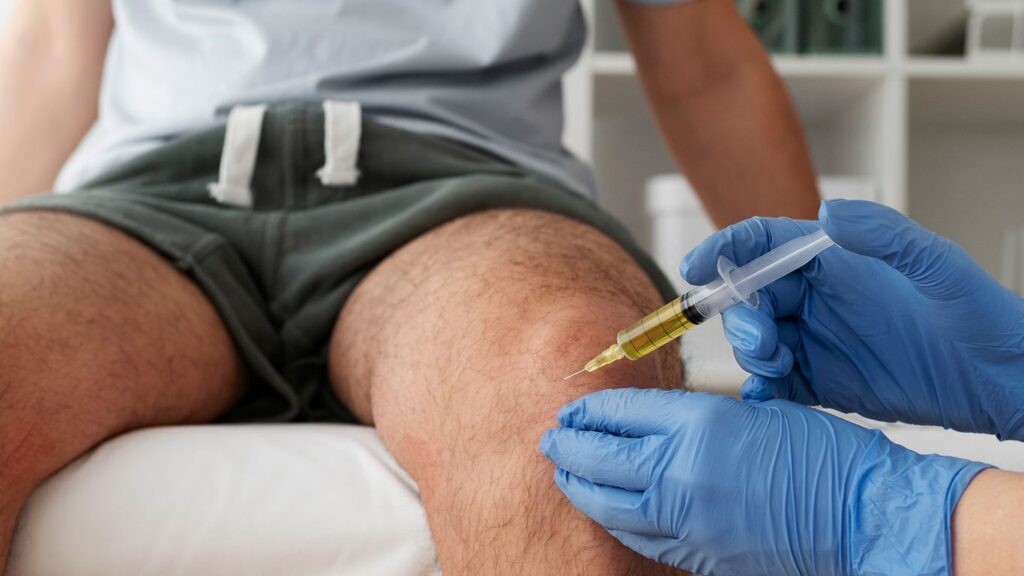
- Targeted Injection: Your physician injects the PRP into the area you want to heal—like your knee, your hairline, or under your eyes. Sometimes, ultrasound imaging helps guide exactly where the needle should go.
Most people are surprised at how quick the process is; the appointment can take as little as 30-60 minutes, and you walk out the same day.
Types of Conditions Treated With PRP
PRP isn’t a one-trick pony. Several problems can benefit, especially if you’re hoping to avoid surgery and want something low-risk:
- Joint issues: Think mild to moderate knee osteoarthritis, chronic tendon problems, partial ligament tears
- Sports injuries: Strains, sprains, or stubborn muscle tears
- Hair loss: Early male or female pattern hair thinning, patchy hair loss
- Skin rejuvenation: Fine lines, wrinkles, acne scars, and dull skin
Here’s a simple table showing common uses:
| PRP Treatment Area | Example Condition | Typical Benefit |
|---|---|---|
| Knee/Joint | Knee osteoarthritis | Pain, movement |
| Tendons | Tennis elbow, rotator cuff | Less ache, movement |
| Scalp | Androgenetic alopecia | Thicker hair, regrowth |
| Face/Skin | Fine lines, acne scars | Smoother, firmer skin |
PRP is gaining traction because it can be used when regular treatments (like physical therapy or creams) aren’t cutting it—or if you just want something that uses your body’s own biology. For a closer look at its use in pain and injuries, our article on harnessing the body’s natural healing power covers some common scenarios.
Long story short: PRP injections combine science, your own platelets, and a doctor’s expertise to give your body a nudge in the healing process, without adding anything foreign.
Key Benefits of PRP Injections for Skin, Hair, and Joints
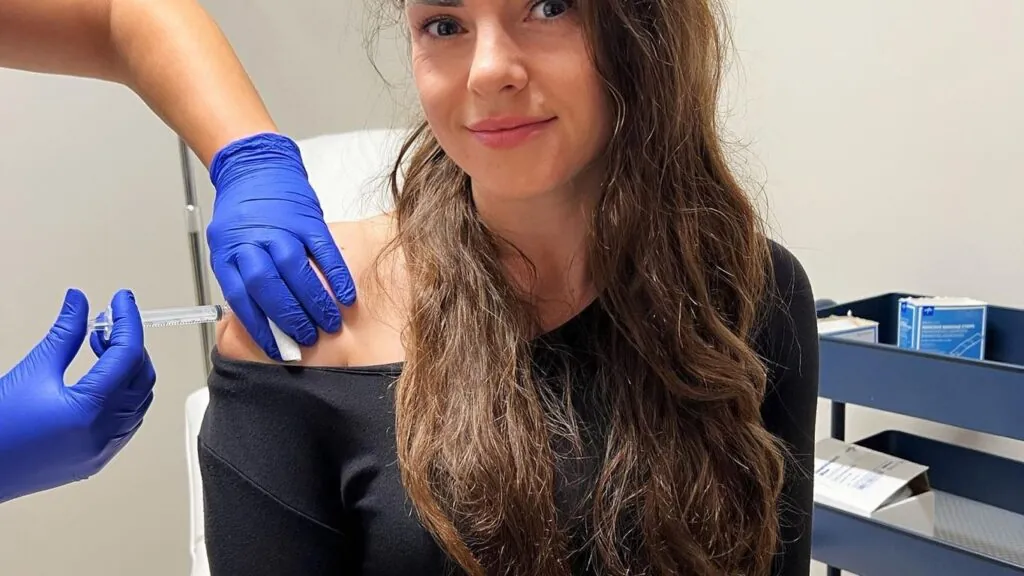
PRP injections are really something else when it comes to helping your body heal and look better. It’s all about using your own natural healing power, which is pretty neat. This treatment taps into the growth factors found in your blood to kickstart repair and rejuvenation processes.
Facial Rejuvenation and Anti-Aging Effects
When it comes to your face, PRP may help. It is used to stimulate collagen production, which is what keeps your skin looking firm and youthful. Think of it as giving your skin a natural boost to smooth out fine lines and wrinkles. It can also help with things like under-eye circles and improving overall skin texture. The results are often subtle but very natural-looking. It’s not about drastically changing your appearance, but rather about refreshing and revitalizing it.
Hair Restoration and Thicker Growth
For anyone dealing with thinning hair, PRP is one non-surgical option. The growth factors in the platelets are injected into the scalp, where they are thought to stimulate hair follicles and improve blood flow to the area. Some people notice thicker-looking hair over time, especially with early hair thinning, but results vary and take several months.
Joint Pain Relief and Enhanced Mobility
PRP isn’t just for looks; it is also used for joint problems. If you’re suffering from joint pain, especially from conditions like osteoarthritis or sports injuries, PRP may help. The concentrated platelets are injected directly into the affected joint to support healing and reduce inflammation. This can lead to less pain and better movement. It’s a way to potentially avoid more invasive treatments and get back to doing the things you love. Some patients find that PRP injections help them regain mobility.
What to Expect During and After Your PRP Injection Session
So, you’re thinking about PRP injections? It’s totally normal to wonder what the whole process is like, from start to finish. Let’s break it down.
Pre-Treatment Preparation and Consultation
Before you even get to the injection part, there’s a consultation. This is where you and your provider will chat about why you’re considering PRP, what you hope to achieve, and if it’s actually the right fit for you. They’ll likely ask about your medical history, any medications you’re taking, and your lifestyle. It’s also a good time to ask all your burning questions. Generally, you won’t need to do much special prep, but they might advise you to avoid alcohol for a few days beforehand to help minimize bruising. Never stop a prescribed medication, including blood thinners, without talking to the doctor who prescribed it. The goal is to make sure you’re a good candidate and that everyone’s on the same page.
The Blood Draw and Centrifugation Process
This is the part where your own body does the heavy lifting. It’s pretty straightforward, actually. A small amount of your blood, usually around 30-60ml, is drawn from your arm, much like a routine blood test. This blood is then placed into a special machine called a centrifuge. The centrifuge spins the blood at a specific speed, separating it into its different components. What we’re after is the platelet-rich plasma (PRP), which is often called "liquid gold" because of its healing properties. This concentrated plasma is then carefully collected.
Recovery, Post-Care Tips, and Timeline of Results
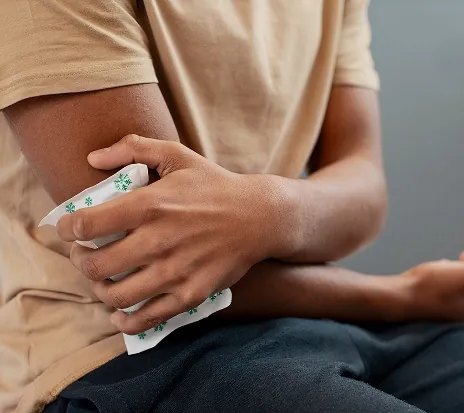
After the injection, you might feel a bit sore or notice some mild swelling at the injection site. This is pretty common and usually goes away within a few days. Your provider will give you specific post-care instructions, but generally, they’ll suggest avoiding strenuous activity for a day or two and possibly avoiding anti-inflammatory medications, as these can sometimes interfere with the PRP’s healing process.
Here’s a rough idea of what the recovery might look like:
- Immediate Post-Injection (0-3 Days): Expect some soreness, redness, or mild swelling. This is your body starting the healing process. Stick to gentle activities.
- Early Healing (Week 1-2): The initial discomfort should subside. You might be advised to avoid anti-inflammatory drugs. Focus on rest and hydration.
- Tissue Repair (Weeks 3-6): This is when the growth factors really get to work, stimulating new tissue and collagen production. You might start noticing subtle improvements.
- Maturation and Long-Term Results (Months 1-6+): The real changes become more apparent. Depending on what was treated, you may see improvements in skin texture, hair growth, or joint function. It takes time for the body to fully regenerate tissue, so patience is key. You can find more information about the recovery after PRP injections.
Remember, everyone’s body responds a little differently. What one person experiences might not be exactly what another does. It’s all about your unique biology and the specific area being treated. The discomfort is usually temporary, and the potential benefits are often worth it for many people.
It’s important to follow your provider’s advice closely to get the best possible outcome from your PRP treatment.
Risks, Side Effects, and Safety Considerations for PRP Injections
PRP injections are generally safe, especially since the treatment uses your own blood. Still, like with any procedure, there are potential side effects to keep in mind. Most people experience minor, short-term issues, but serious complications are rare. Here’s a quick look at what could happen:
- Mild pain or tenderness at the injection site
- Swelling, redness, or mild bruising
- Temporary inflammation or stiffness
- Very rarely, infection at the injection site
- Flare-up of symptoms before improvement (often part of the normal healing process)
| Side Effect | How Common? | What To Do |
|---|---|---|
| Mild pain/soreness | Common | Ice, rest |
| Swelling/redness | Common | Usually resolves itself |
| Infection | Very rare | See your provider ASAP |
Most adverse effects, like mild soreness or a little bruising, fade within days. If anything seems unusual—like severe swelling or fever—always reach out to the clinic.
Several things can affect how safe PRP treatment will be for you:
- Provider Experience – An experienced clinician is less likely to cause complications.
- Clean Technique – Using sterile methods prevents infection.
- Your Health Status – Certain conditions, like immune system disorders, can raise your risks.
- Accurate Diagnosis – Making sure PRP is actually right for your problem helps you avoid unnecessary procedures.
- Medication Use – Taking blood thinners or anti-inflammatory drugs might increase bruising and slow healing.
If you’re considering PRP therapy for joint or soft tissue pain, reviewing safety info first is worthwhile. For more about recovery timelines and safety, read our article on PRP injury treatment and recovery.
Not everyone is a good candidate for PRP. Avoid this treatment if you:
- Have a bleeding disorder or take blood thinners that can’t be paused
- Have a current infection near the injection site or systemically
- Struggle with immune system issues that increase your risk of infection
- Are pregnant or breastfeeding (safety hasn’t been well studied)
- Have certain types of cancer
A careful consultation with a knowledgeable provider ensures your safety and helps decide if PRP is the right fit. You should always talk openly about your medical history and concerns at your first visit.
Remember, your health history always matters more than any info you find online. An honest provider will steer you away from PRP if it isn’t safe for you.
Comparing PRP Injections to Other Regenerative Treatments
Regenerative medicine options keep growing, and it can be tough to choose the best fit. PRP (Platelet-Rich Plasma) isn’t the only needle in the toolbox—there’s also Platelet-Rich Fibrin (PRF), corticosteroid shots, and even stem cell therapies. So, how do you know where PRP stands and when you should consider something else? Let’s break this down in plain English.
PRP vs. Platelet-Rich Fibrin (PRF)
PRF is the next-step cousin of PRP. Both use your blood, but the process and end results differ in subtle ways:
| Feature | PRP | PRF |
|---|---|---|
| Additives | Anticoagulants used | No additives, more natural |
| Growth Factor Release | Quick burst (hours) | Slow, steady (up to 2 weeks) |
| Cell Concentration | Platelets mainly | Platelets + more white cells |
| Typical Uses | Joints, tendons, skin, hair | Fine lines, under eyes, scalp |
- PRF takes longer to prepare but sticks around longer in your tissue, possibly giving extended benefits.
- If you’re looking for a completely additive-free option that also brings a slower release of healing factors, PRF may be worth asking about.
- Some people with sensitive skin prefer PRF because it’s less likely to cause irritation or bruising.
People often switch to PRF after trying PRP, especially if they want a more natural approach and longer-acting results.
PRP Compared to Corticosteroid Injections
Corticosteroid shots have been around forever for inflamed joints, but don’t let their popularity fool you—PRP and steroids work totally differently:
- PRP is all about helping your body build and repair tissue on its own.
- Steroids, by contrast, just turn off inflammation (and the pain that comes with it), but won’t actually repair anything.
- Over time, steroids can weaken tendons or cartilage if overused, while PRP aims to strengthen them.
- Because PRP uses your blood, the risk of allergic reaction or systemic side effects is much lower compared to steroids.
- Corticosteroids are often used for quick, short-term relief, but PRP targets longer-term healing.
When to Consider Alternative Therapies
PRP is a good choice for many people, but there are cases where a different approach might work better. Think about switching things up if:
- You’ve had PRP and didn’t get clear improvement—sometimes other options, such as PRF, may make sense.
- Your doctor thinks the damage is too severe for PRP or the area just isn’t responding.
- You need an immediate reduction in pain or inflammation—steroids can act faster in these situations.
Here’s a quick comparison table for context:
| Treatment | Key Benefit | Best For |
|---|---|---|
| PRP | Natural healing, few side effects | Ligament/tendon tears, mild OA |
| PRF | Longer active healing, no additives | Skin, minor hair loss, inflamed tissue |
| Corticosteroids | Fast pain/swelling relief | Severe pain, acute inflammation |
Matching the treatment to your goal is more important than picking the trendiest option. Getting a real assessment from a regenerative medicine provider will save you a lot of frustration down the line.
Choosing the Right Provider for PRP Injections Near You
So, you’ve decided PRP injections might be the way to go for whatever ails you, whether it’s a nagging joint issue, thinning hair, or those first signs of aging on your face. That’s great! But now comes the really important part: finding someone qualified to actually do the procedure. It’s not like picking up a new shampoo; this is a medical treatment, and who you go to matters a whole lot.
Qualifications and Experience to Look For
When you’re looking for a place that offers PRP injections near you, don’t just go with the first name that pops up on Google. You want to make sure the person doing the injecting actually knows what they’re doing. Ideally, you’re looking for a qualified medical provider who has specific training in regenerative medicine. It’s not enough to just have a medical license; they should have hands-on experience with PRP procedures. Ask about their background and how long they’ve been performing these types of injections. Some places might use older equipment or less refined techniques, so it’s worth asking about the specific protocols they follow. You want someone who understands the science behind platelet-rich plasma and how to get the best results for your specific situation.
Questions to Ask During Your Consultation
Before you commit to a treatment plan, you’ll want to have a good chat with the provider. This is your chance to get all your questions answered and make sure you feel comfortable. Here are a few things you should definitely ask:
- What specific type of PRP system or kit do you use, and why is it the best choice for my needs?
- Can you show me before-and-after photos of patients with similar concerns to mine?
- What is the expected timeline for seeing results, and how many sessions do you typically recommend?
- What are the potential risks and side effects, and how do you manage them if they occur?
- What does the post-treatment care involve, and are there any activities I should avoid?
Remember, a good provider will be happy to answer all your questions thoroughly. They should take the time to explain the procedure, manage your expectations, and make you feel confident in their abilities. If they seem rushed or dismissive, that’s a red flag.
Factors That Influence PRP Injection Success Rates
Chances are, if you’re reading this, you’re wondering why some people rave about their PRP results while others shrug it off as just "okay." Truth is, not everyone gets the same payoff. Several important factors decide how well PRP works for you—sometimes it’s the treatment plan, other times it’s your own biology. Let’s break down what actually makes a difference.
Importance of Number of Sessions and Treatment Frequency
Think of PRP as a little like going to the gym—you don’t see a transformation after one workout. Getting the best results nearly always takes a series of treatments, not just a one-and-done visit.
Main points to consider:
- Session Count: Most people need 3+ sessions, spaced 4-6 weeks apart for skin or hair, and sometimes more for joints.
- Consistency: Results build gradually, with each session layering on the previous improvements.
- Maintenance: Touch-up or "booster" sessions every 6–12 months can help preserve your progress.
| Condition | Average Initial Sessions | Maintenance Needed |
|---|---|---|
| Hair Loss | 3–4 | Every 6–12 months |
| Facial Rejuvenation | 3 | Yearly maintenance |
| Joint Issues | 2–4 | Every 6–12 months (if needed) |
People often expect magic after a single appointment, but true change requires sticking with the plan. Missed or inconsistent sessions are a big reason why some folks see underwhelming results.
Individual Patient Factors and Condition Type
PRP is not a universal fix, and some bodies just respond better than others. Here’s what can influence your outcome:
- Age and Overall Health: Younger, healthier individuals or those with less severe tissue damage may see faster, better responses.
- Severity and Type of Condition: Early-stage hair thinning, mild joint pain, or small facial wrinkles respond better than long-term or severe issues. For example, studies show that PRP works best for early androgenetic alopecia, but is less effective for extensive hair loss.
- Lifestyle Choices: Smoking, poor diet, and certain medications can lower your healing response.
Sometimes, even the skill of the provider and the concentration of your own platelets (yes, everyone’s different) will play a role.
Role of Rehabilitation and Complementary Therapies
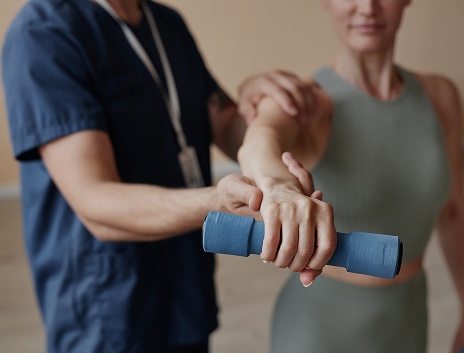
Let’s be honest: just getting an injection and lying on the couch doesn’t guarantee improvement—especially for joint and ligament issues. Pairing PRP with physical therapy or other supportive treatments makes a difference.
Here’s what helps:
- Structured Physical Therapy: For those getting PRP for knee, shoulder, or ankle issues, exercise designed by a pro leads to better recovery.
- Gentle Movement Post-Treatment: Early on, light activity (as instructed) helps tissue healing. Too little movement can slow things down.
- Other Therapies: Sometimes your provider might suggest laser, microneedling, or topical treatments for skin and hair, combining forces to get you better results.
Teamwork isn’t just for sports—your recovery is usually more successful when you combine PRP with rehab and professional guidance.
In the end, your best bet is being consistent with sessions, following your provider’s advice closely, and understanding that your unique biology plays a part in the outcome. PRP won’t be miraculous for everyone, but with the right approach, a lot of people really do see a change.
Wrapping It Up
So, that’s the lowdown on PRP injections. It’s pretty neat how we can use our own body’s stuff to help fix things, whether it’s tired skin, thinning hair, or even some aches and pains. Remember, it’s not a magic wand, and results can take a little time to show up. Finding the right doctor is super important, too. They’ll know if it’s a good fit for you and how to get the best results. Keep in mind that everyone reacts a bit differently, so what works wonders for one person might be just okay for another. If you are in the Northern Chicago area and want to know whether PRP is right for you, call Global Pain & Spine Clinic at (847) 299-7000 or visit us at 8565 W. Dempster St. in Niles.
Frequently Asked Questions
What are PRP injections and how do they work?
PRP injections use a part of your own blood called platelets, which are rich in growth factors. After a simple blood draw, your blood is spun in a machine to separate these platelets. The concentrated platelets are then injected into areas like your skin, scalp, or joints to help your body heal and repair itself naturally.
What can PRP injections help treat?
PRP injections can be used for many things. They are popular for making skin look younger, helping hair grow thicker, and easing joint pain from injuries or arthritis. Some doctors also use PRP for muscle or ligament problems.
Are PRP injections safe?
PRP injections are generally considered safe because they use your own blood, so the risk of an allergic reaction is low. The main side effects are mild and can include swelling, redness, or bruising where you get the shot. These usually go away in a few days.
How many PRP sessions do I need to see results?
Most people need more than one session to get the best results. For skin or hair, doctors often suggest three treatments, spaced about a month apart. Joint treatments may also need a few sessions. Your doctor will make a plan based on your needs.
When will I notice results after PRP treatment?
You might start to see some changes in about 4 to 6 weeks, but the best results usually show up after 2 to 3 months. This is because your body needs time to build new tissue and heal.
Who should not get PRP injections?
People with certain health problems, like blood disorders, infections, or some cancers, should not get PRP injections. Also, if you are pregnant or taking blood-thinning medicine, you should talk to your doctor first to see if PRP is safe for you.