







What to Know About NAD Intramuscular Injections
An NAD+ intramuscular injection delivers NAD+ into muscle, where it can enter the bloodstream without passing through the digestive system. NAD+ helps cells produce energy and supports processes involved in responding to DNA damage. But research has not shown that these injections treat pain, reverse aging, or extend human life.
If you are considering an injection, ask a qualified clinician whether it fits your health history and what benefits you could realistically expect. Injection-site pain and other side effects are possible, and there is no established dose or schedule for general wellness.
I’m Anna Slavin, practice manager at Global Clinic, where our multidisciplinary team works with patients across Niles and Northern Chicago. I help patients navigate care options, including NAD intramuscular injection, with clear information and attention to their goals.
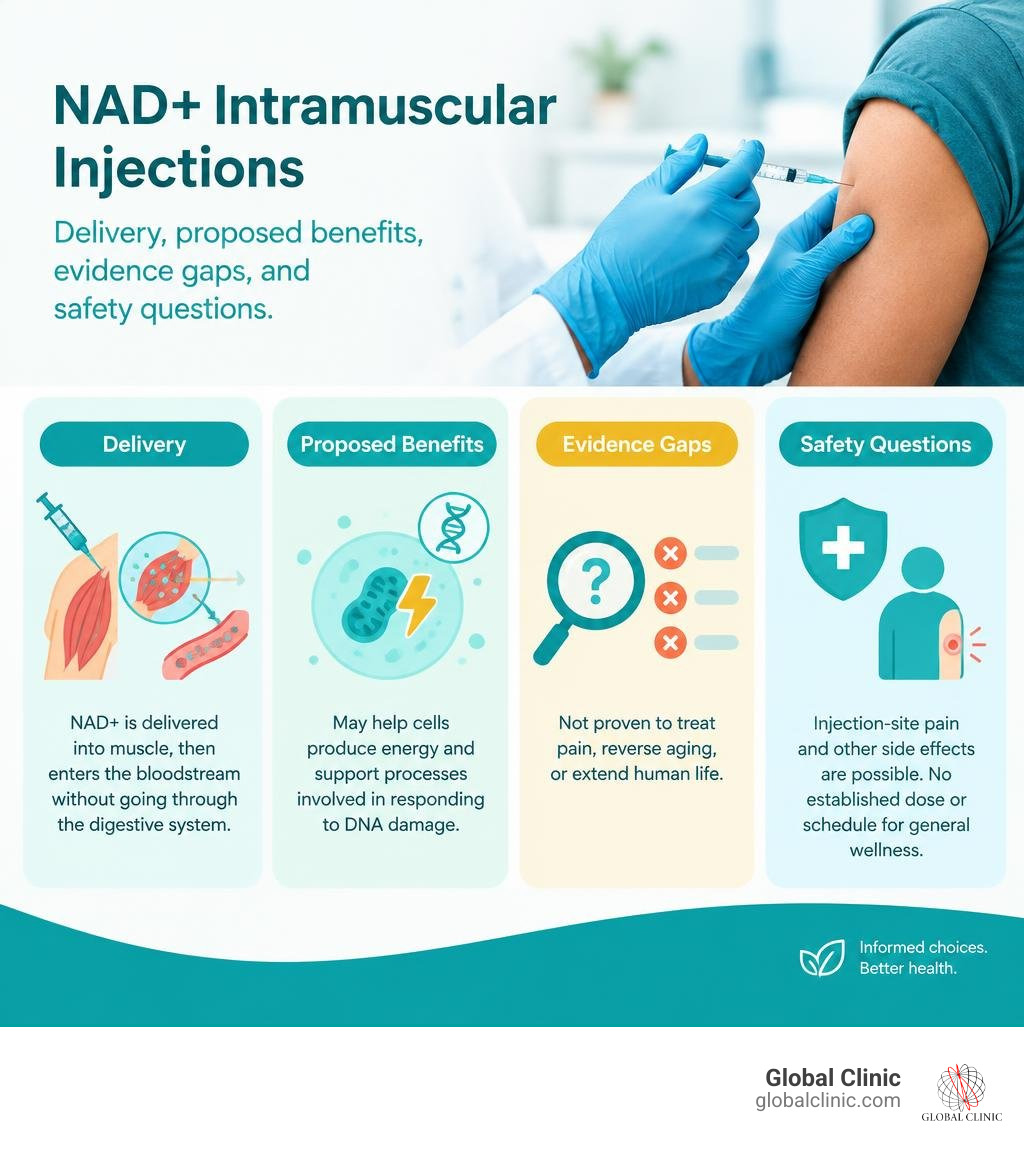
NAD intramuscular injection vocabulary:
The Science and Cellular Rationale of NAD Intramuscular Injection
Nicotinamide adenine dinucleotide (NAD+) is an essential coenzyme present in every living cell. Without it, the biological machinery responsible for turning nutrients into cellular fuel would grind to a halt. At its core, NAD+ exists in two functional states: NAD+ (the oxidized form) and NADH (the reduced form). Together, they drive cellular respiration across glycolysis, the citric acid (Krebs) cycle, and the electron transport chain inside the mitochondria.

As we age, cellular NAD+ concentrations decline significantly. Landmark biological research indicates that by middle age, tissue levels of NAD+ can drop by 40% to 50% compared to early adulthood. This progressive decline compromises mitochondrial efficiency and leaves cells vulnerable to oxidative damage.
Under normal physiological conditions, mitochondria generate energy while producing manageable levels of reactive oxygen species (ROS). However, when mitochondrial function falters due to depleted coenzyme levels, ROS production escalates, leading to widespread oxidative stress. Exploring the science behind NAD coenzyme activity helps explain how this coenzyme assists in counterbalancing metabolic stressors. Groundbreaking research on oxidative stress and cellular longevity highlights how reactive oxygen intermediates contribute to age-related degenerative changes, reinforcing why cellular repair enzymes require a constant supply of metabolic cofactors.
How NAD Intramuscular Injection Enhances Sirtuins and DNA Repair Pathways
Beyond its direct role in cellular energy synthesis, NAD+ serves as a vital substrate for specialized enzymes that govern longevity and genomic stability. Two primary families of NAD+-consuming enzymes drive these protective mechanisms:
- Sirtuins (SIRT1–SIRT7): These NAD+-dependent protein deacetylases act as cellular sensors. SIRT1, located primarily in the nucleus, modulates chromatin structure, regulates epigenetic expression, and suppresses cellular senescence. Meanwhile, SIRT3 operates inside the mitochondria to optimize respiration and reduce oxidative stress by deacetylating complex I (NADH dehydrogenase) and other respiratory chain proteins.
- Poly(ADP-ribose) Polymerases (PARP1): When environmental toxins, metabolic byproducts, or radiation cause single-strand DNA breaks, PARP1 detects the damage and consumes NAD+ to orchestrate rapid DNA repair. As mammalian lifespan research demonstrates, higher baseline PARP activity strongly correlates with species longevity and enhanced genomic resilience.
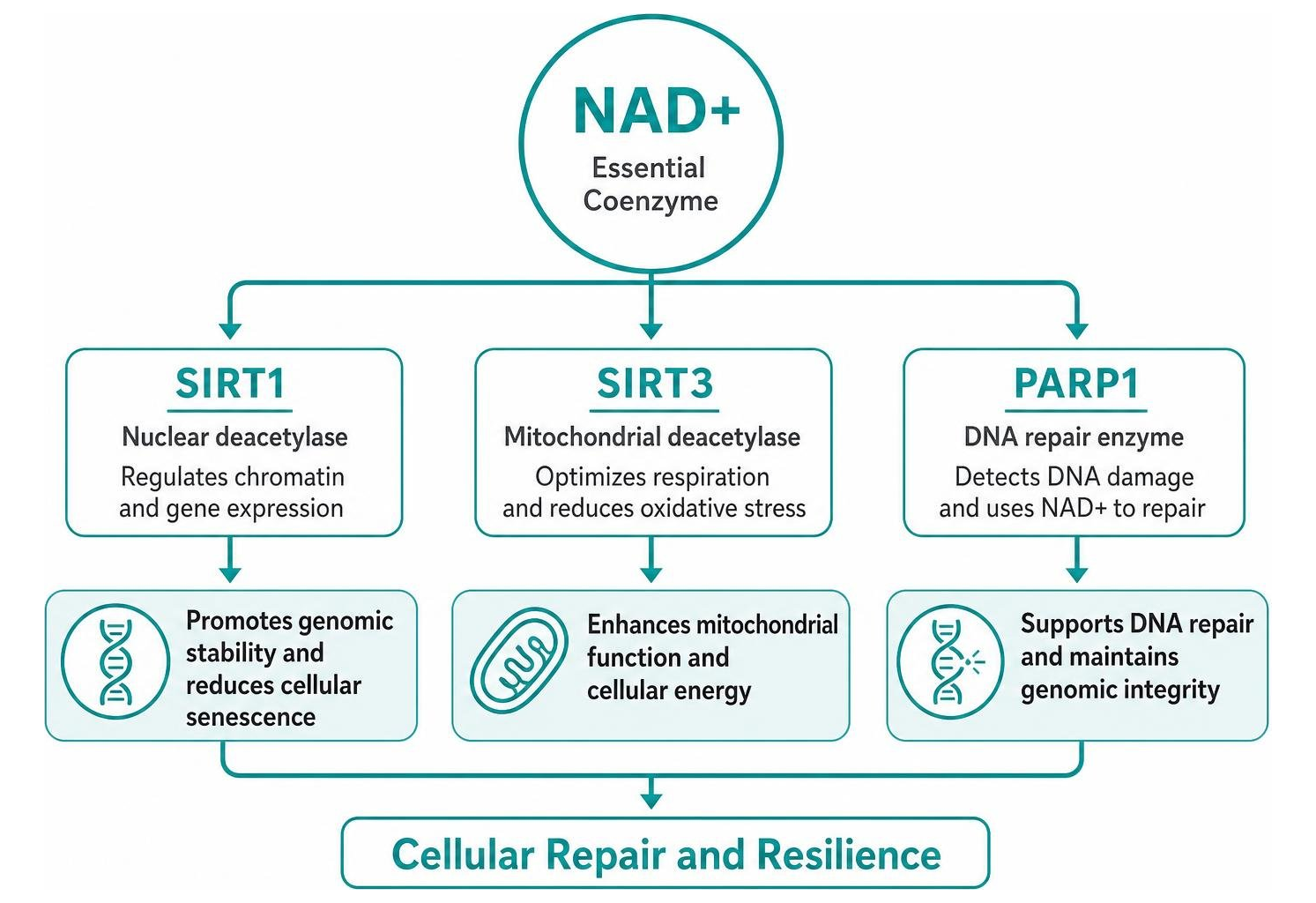
Gaining a clearer understanding what NAD injections are reveals why replenishing systemic levels has become an active area of clinical interest. By supporting the enzymatic actions of sirtuins and PARP1, healthy NAD+ availability facilitates telomere maintenance, preserves genomic stability, and mitigates the biological accumulation of senescent cells.
Therapeutic Benefits for Energy, Longevity, and Recovery
When cellular coenzyme pools are maintained, tissues across the entire body function with improved metabolic efficiency. Patients seeking regenerative and supportive therapies often explore injectable options to address systemic fatigue, support physical recovery, and optimize overall vitality.

Documented cellular benefits of NAD injections center on several interconnected biological outcomes:
- Mitochondrial ATP Production: By supplying complex I and the Krebs cycle with the necessary redox components, cells can generate adenosine triphosphate (ATP) more efficiently, helping alleviate persistent physical fatigue.
- Neurological Support and Mental Clarity: Brain tissue exhibits high metabolic demand. Supporting neuronal mitochondrial health promotes neurotransmitter balance, neuroplasticity, and improved day-to-day focus.
- Enhanced Tissue and Muscle Recovery: Strenuous physical exertion or chronic musculoskeletal strain increases oxidative stress in skeletal muscle. Sustained cellular repair mechanisms help clear metabolic waste products like lactic acid and accelerate tissue rebuilding.
Clinical Administration Protocols and Pharmacokinetics
The method of delivering therapeutic coenzymes plays a decisive role in their biological uptake and clinical performance. While oral formulations must survive gastric acid, enzymatic breakdown, and extensive first-pass hepatic metabolism, injection protocols bypass the gastrointestinal tract entirely.
According to established clinical guidelines on intramuscular delivery, intramuscular (IM) injections deposit medication directly into bulky, richly vascularized muscle tissue. This ensures smooth systemic absorption into capillary networks while delivering near-complete bioavailability.
In clinical practice, licensed medical professionals select safe anatomical landmarks to optimize delivery:
- Ventrogluteal Site: Located in the gluteus medius, this is the preferred site for adult injections due to substantial muscle depth, a thin subcutaneous layer, and substantial distance from major neurovascular structures like the sciatic nerve.
- Deltoid and Vastus Lateralis: Alternative sites frequently utilized for lower-volume administrations.
- The Z-Track Technique: Clinicians retract the overlying skin and subcutaneous tissue laterally before needle insertion. Releasing the tissue after injection seals the pathway, preventing medication from leaking into subcutaneous layers and minimizing localized skin irritation.
To preserve stability, compounded NAD+ solutions must be stored under strict cold-chain refrigeration between 2°C and 8°C (36°F to 46°F) and shielded from light to prevent chemical degradation into nicotinamide.
| Feature / Route | Intramuscular (IM) Injection | Intravenous (IV) Infusion |
|---|---|---|
| Primary Delivery Site | Deep vascular muscle (Ventrogluteal/Deltoid) | Direct systemic venous circulation |
| Typical Dose Range | 25 mg – 100 mg | 250 mg – 1,000 mg |
| Administration Time | 2 – 5 minutes | 2 – 4+ hours |
| Absorption Profile | Rapid systemic uptake via vascular muscle bed | Immediate 100% systemic availability |
| Clinical Setting | In-clinic clinical administration | Specialized clinical infusion suite |
Administration Route Comparison: IV Drips vs. NAD Intramuscular Injection
When comparing systemic delivery options, both intravenous drips and intramuscular shots offer distinct clinical advantages. While the documented benefits of NAD infusions include delivering large doses (250 mg to 1,000 mg) directly into circulation, IV therapy requires hours of chair time to prevent rate-dependent vascular side effects.
In contrast, an intramuscular injection provides high bioavailability in a quick, convenient 5-minute visit. For busy individuals seeking routine cellular support without dedicating half a day to an infusion suite, IM injections serve as a practical alternative or a dependable bridge between periodic IV sessions.
Dosage Titration and Loading Protocols
Personalized administration begins with careful dose titration to identify each patient’s comfort and tolerability threshold:
- Initial Starting Phase: Protocols generally begin with lower doses (25 mg to 50 mg) administered once or twice weekly.
- Maintenance Phase: Under medical supervision, doses are gradually titrated upward toward 50 mg to 100 mg, administered one to three times per week based on clinical response.
- Injection Velocity: Because NAD+ can cause localized muscle tightness or mild autonomic responses when introduced too rapidly, clinicians inject the solution slowly over 30 to 60 seconds.
Safety Considerations, Side Effects, and Patient Monitoring
Injectable NAD+ is generally well-tolerated when administered by trained medical providers, but patients should remain informed regarding the safety profile and potential risks of coenzyme therapy.
Common, transient side effects are largely rate- and dose-dependent:
- Localized warmth, skin flushing, or mild redness
- Transient nausea or lightheadedness
- Temporary smooth muscle tightness in the abdomen or chest
- Mild, localized soreness at the injection site
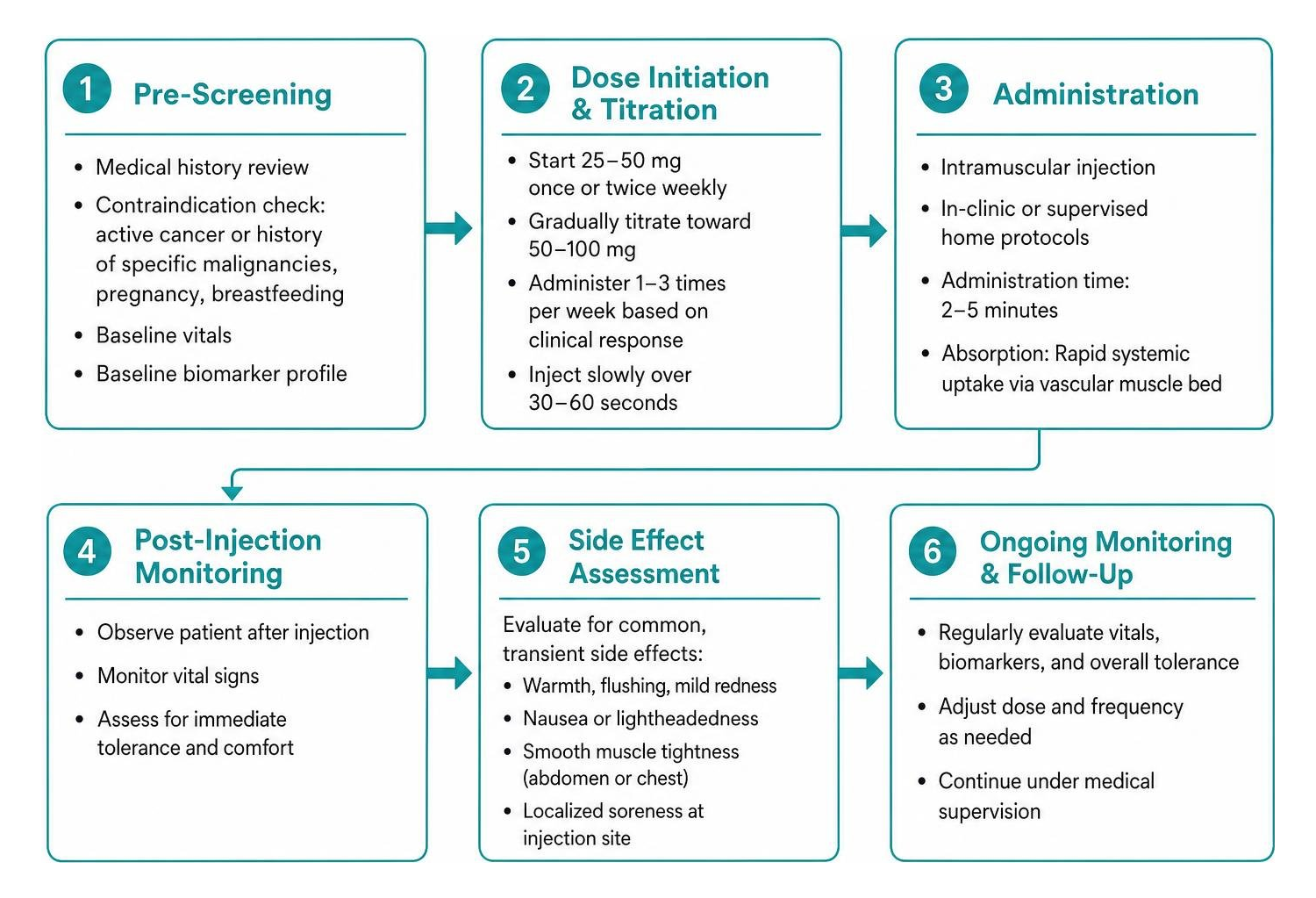
Patients should always receive thorough screening prior to starting therapy. Contraindications include active cancer or a history of specific malignancies, as well as pregnancy and breastfeeding. Supervised medical care ensures that vital signs, biomarker profiles, and overall tolerance are regularly evaluated.
Frequently Asked Questions About NAD Injections
How quickly do patients experience results from an intramuscular injection?
Because intramuscular delivery bypasses the digestive system and enters vascularized muscle tissue, systemic absorption begins within minutes. Some patients note improved subjective energy, sharper mental clarity, or reduced brain fog within 24 to 72 hours following an injection. However, cellular repair processes, mitochondrial optimization, and DNA maintenance work cumulatively, with more consistent physiological improvements developing across several weeks of regular treatment.
How often should maintenance injections be administered?
Maintenance schedules are tailored to each individual’s health status, lifestyle, and clinical goals. A common clinical regimen involves receiving an intramuscular injection one to two times per week during an active revitalization cycle, followed by periodic maintenance doses spaced every one to two weeks. Regular follow-ups with our clinical team ensure protocols are adjusted to support long-term wellness.
Conclusion
Sustaining cellular energy and supporting the body’s natural defense against oxidative stress requires an evidence-based, whole-body approach. While the natural decline of NAD+ is a fundamental component of biological aging, modern restorative medicine offers practical pathways to help support cellular vitality and metabolic function.
At Global Pain & Spine Clinic, our multidisciplinary team of licensed physicians, physical therapists, chiropractors, and wellness professionals has proudly served the Northern Chicago community for over 20 years. Located in Niles, IL, we provide comprehensive, patient-centered care to residents across Skokie, Glenview, Park Ridge, Morton Grove, Des Plaines, Mount Prospect, and Chicago. Whether you are managing chronic physical fatigue, seeking athletic recovery, or exploring specialized NAD therapy alongside our physical medicine and regenerative programs, we are dedicated to helping you achieve lasting wellness.
Contact our clinic today to speak with our specialists and learn more about personalized treatment options tailored to your recovery goals.