







Understanding the Landscape of Medical Obesity Treatment Today
Medical obesity treatment has evolved dramatically over the past decade, offering hope and real solutions to millions of Americans struggling with excess weight. If you’re seeking treatment options, here’s what’s available:
Core Medical Obesity Treatments:
- Lifestyle Modifications – Diet, exercise, and behavioral therapy (foundation for all treatment)
- Prescription Medications – GLP-1 agonists like semaglutide (Wegovy) achieving 14.9% weight loss, tirzepatide (Zepbound) achieving up to 22.5% weight loss
Who Qualifies: Adults with BMI ≥30, or BMI ≥27 with weight-related conditions like diabetes or hypertension.
The reality is this: obesity affects more than 4 in 10 adults in the United States, and nearly 1 in 10 have severe obesity. It’s not about willpower. It’s a chronic disease that responds to medical treatment, just like diabetes or hypertension.
The treatment landscape has shifted from one-size-fits-all approaches to personalized, multi-modal strategies that combine medications, behavioral support, and when necessary, surgical interventions. New medications like GLP-1 agonists have changed the game, with some patients losing 10% or more of their body weight when combined with lifestyle changes.
But here’s what many people don’t realize: medical obesity treatment isn’t just about the number on the scale. It’s about reducing your risk of heart disease, managing joint pain, improving sleep apnea, and preventing type 2 diabetes. Even a 5-10% weight loss can yield significant health improvements.
The challenge? Navigating the options. Which medication is right for you? When should surgery be considered? How do you maintain results long-term? These are questions that require expert guidance and individualized care.
I’m Anna Slavin, Practice Manager at Global Clinic, where I help patients navigate their healthcare journeys, including connecting them with effective medical obesity treatment options through our comprehensive pain and wellness services. My passion is putting patients first and ensuring everyone receives compassionate, personalized care that addresses their unique needs.
Understanding Obesity and the Need for Medical Obesity Treatment
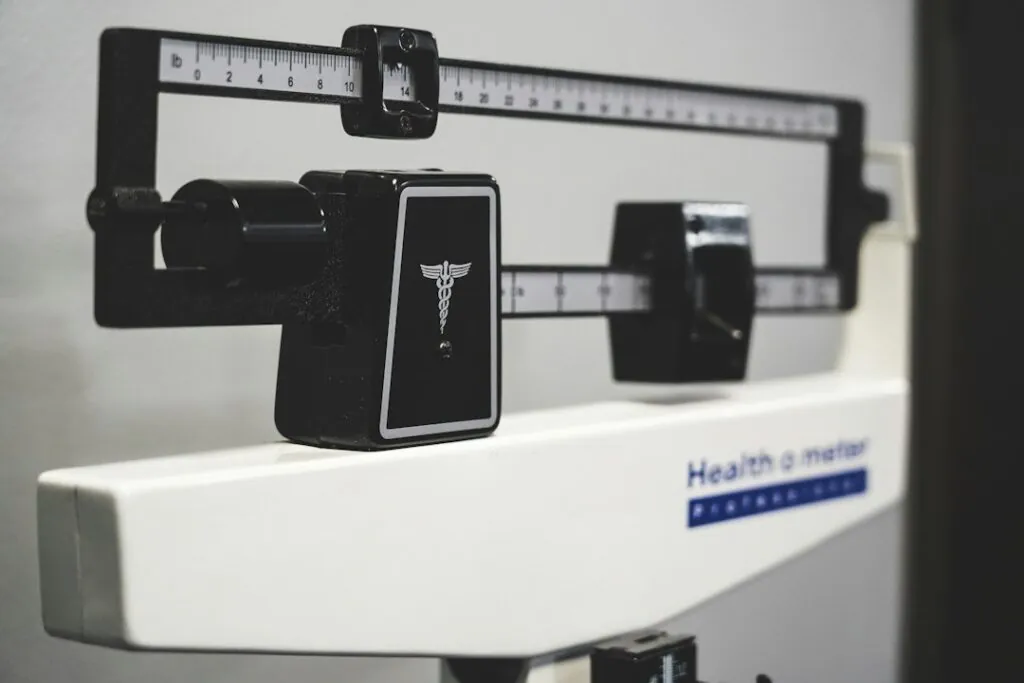
When we talk about obesity, we aren’t just talking about carrying extra weight. We are talking about a complex, chronic disease characterized by excessive fat accumulation that presents a significant risk to health. At Global Clinic, we recognize that obesity is often a neurobehavioral issue where genetic factors influence brain structure and how our bodies respond to food.
How Obesity is Diagnosed
Diagnosis begins with more than just a glance at the scale. Healthcare professionals at the Mayo Clinic emphasize a multi-step approach:
- Body Mass Index (BMI): This is the primary screening tool. You can calculate your BMI by dividing your weight in kilograms by your height in meters squared. A BMI of 30 or higher is classified as obesity.
- Waist Circumference: BMI doesn’t distinguish between muscle and fat. Measuring waist circumference helps identify “visceral fat”—the dangerous fat around your organs. Risks increase significantly if your waist is over 35 inches for women or 40 inches for men.
- Health History: We look at weight history, previous weight-loss efforts, and physical activity habits.
- Physical Exam and Lab Tests: This includes checking for high blood pressure, cholesterol levels, and signs of metabolic syndrome.
Adipose Tissue: More Than Just Storage
It is a common misconception that fat is just “dormant” energy. In reality, adipose tissue acts as an endocrine gland, secreting hormones like leptin that play a massive role in appetite regulation. When this system is disrupted, it can lead to “food noise”—constant, intrusive thoughts about eating that make traditional dieting feel impossible.
Health Risks Associated with Excess Weight
The need for medical obesity treatment is driven by the severe comorbidities associated with the disease. Excess weight is a “stubbornly obvious target” for preventing life-altering events.
- Type 2 Diabetes: Nearly half of U.S. diabetes cases are linked to obesity.
- Cardiovascular Issues: Obesity is a primary driver of heart disease and increases stroke risk.
- Sleep Apnea: Obesity-Hypoventilation Syndrome can lead to dangerous drops in oxygen during sleep.
- Joint Pain and Mobility: At Global Clinic, we frequently see patients whose chronic back and knee pain is exacerbated by excess weight. This creates a “vicious cycle” where pain prevents exercise, leading to more weight gain.
- Cancer: Adiposity is linked to increased risks of pancreatic, breast, and colorectal cancers.
Who Qualifies for Medical Obesity Treatment?
Not everyone who wants to lose weight requires medical intervention. However, clinical guidelines from the Endocrine Society suggest that medical obesity treatment should be considered for:
- Adults with a BMI of 30 or higher.
- Adults with a BMI of 27 or higher who also have at least one weight-related health condition, such as type 2 diabetes, hypertension, or sleep apnea.
Overview of Medications for Weight Management
The “pharmacological landscape” has changed more in the last three years than in the previous thirty. We have moved from simple stimulants to sophisticated “nutrient-sensing” hormones.
How Weight Loss Medications Work
These drugs don’t “burn fat” by magic. They work by targeting the hormones that play a role in appetite. Most modern medications target the gut-brain axis, sending signals to the brain that you are full, slowing down how fast your stomach empties, and reducing the “reward” feeling you get from high-calorie foods.
GLP-1 and GIP Receptor Agonists
These are the “headline” drugs you have likely heard about. A study from FAIR Health reports that over 2% of U.S. adults took a GLP-1 for weight loss in 2024.
- Semaglutide (Wegovy): Mimics the GLP-1 hormone. In the STEP 1 trial, participants showed an average weight loss of 14.9% over 68 weeks.
- Tirzepatide (Zepbound): A “dual agonist” that mimics both GLP-1 and GIP. This drug achieved up to 22.5% weight loss in the SURMOUNT-1 trial.
- Liraglutide (Saxenda): A daily injection that mimics GLP-1, typically resulting in about 8% weight loss.
Oral and First-Generation Medications
While GLP-1s get the most attention, it can be easy to overlook first-generation obesity medications, most of which come in pill form.
- Phentermine (Adipex-P): An appetite suppressant approved for short-term use.
- Phentermine-Topiramate (Qsymia): A combination of an appetite suppressant and a seizure medication that helps you feel full. It became available in generic form in 2025.
- Naltrexone-Bupropion (Contrave): Targets the reward system in the brain to reduce cravings.
- Orlistat (Xenical/Alli): Works in the gut to reduce the amount of fat your body absorbs.
The Role of Behavioral Support in Medical Obesity Treatment
At Global Clinic, we believe a comprehensive approach is the only way to achieve sustainable results. Medication is a tool, but behavior is the driver.
- Counseling: At least 14 counseling sessions over 6 months are recommended for successful lifestyle shifts.
- Physical Activity: Federal physical activity guidelines recommend 150 minutes of moderate activity weekly. For weight maintenance, some may need 300 minutes.
- Self-Monitoring: Tracking food intake and daily steps is a hallmark of the National Weight Control Registry members who have successfully kept weight off.
- Support Groups: Group programs are often more effective than one-on-one sessions because they provide community and shared accountability.
Future Frontiers in Obesity Care
The future of medical obesity treatment looks even more promising. We are moving toward “triple agonists” and oral versions of current injectables.
- Retatrutide: A “triple agonist” currently in trials that showed up to 28.7% weight loss at 68 weeks.
- CagriSema: A combination of semaglutide and cagrilintide. Early results showed a mean weight loss of 20.4%, with nearly 20% of participants losing a staggering 30% of their body weight.
- Orforglipron: A small-molecule oral GLP-1 that can be taken with food, making it much more convenient than current pills.
- MariTide: Amgen is developing a once-monthly injection designed to increase GLP-1 while inhibiting GIP, which may lead to more stable weight loss with fewer doses.
Managing Treatment and Insurance Coverage
Starting a weight-loss medication involves more than a prescription: coverage rules and medication safety matter too.
- Insurance: Coverage varies wildly. Some plans require “prior authorization,” proving you have tried lifestyle changes for 6 months without success.
- Safety Warning: The FDA warns against buying “compounded” or “counterfeit” semaglutide from unlicensed online sources. These can be “tainted” and dangerous. Always use a state-licensed pharmacy.
Frequently Asked Questions about Medical Obesity Treatment
How long must I stay on weight loss medication?
Obesity is a chronic disease, much like high blood pressure. Research shows that when patients stop taking GLP-1 medications, they often experience “metabolic adaptation” and regain much of the weight. Most experts now view these as long-term maintenance medications.
What are the most common side effects of GLP-1s?
The most common issues are gastrointestinal: nausea, vomiting, diarrhea, and constipation. These are usually managed by a slow “titration schedule,” where your dose is increased gradually over several months. There are also rare risks of pancreatitis and gallbladder issues.
Will my insurance cover these treatments?
It depends on your specific employer plan. While many private insurers are beginning to cover these drugs, Medicare currently does not cover medications specifically for “weight loss,” though it may cover them if you have type 2 diabetes or heart disease.
Conclusion: A Personalized Path Forward
At Global Clinic, we understand that your journey is personal. Whether you are struggling with chronic pain that prevents you from moving or you are ready to explore medical obesity treatment to protect your long-term health, we are here to support you. Serving our neighbors from Arlington Heights to Schaumburg and across the Northern Chicago area, we provide the personalized, innovative care you deserve.
Don’t wait for your health to decline further. When we understand your history and your goals, we can work together to find the option that is right for you.
Ready to take the next step? Call Global Pain & Spine Clinic at (847) 299-7000 or visit us at 8565 W. Dempster St. in Niles to ask about our medical weight loss program and find out whether it is right for you.