








How to Choose a Weight Loss Treatment
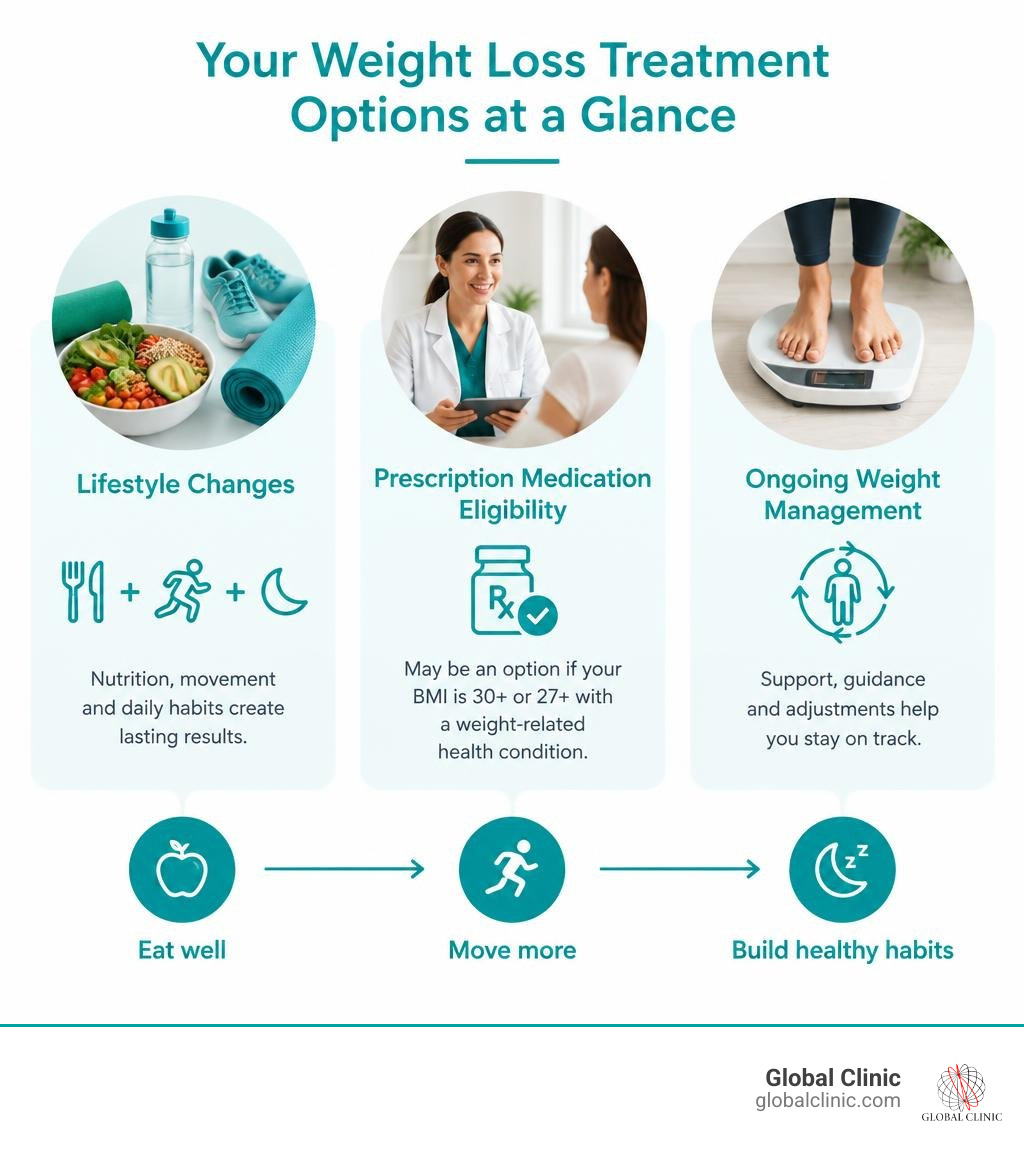
Weight loss treatment starts with a plan you can sustain: changes to eating, movement, and daily habits. A clinician may also consider prescription medication if your BMI is 30 or higher, or 27 or higher with a weight-related health condition. The best option depends on your health, goals, and medical history.
Weight management is about more than the number on a scale. At our clinic in Niles, patients can discuss medical weight loss options alongside care for pain and mobility. Patients visit us from Chicago, Skokie, Glenview, Park Ridge, Morton Grove, Des Plaines, Mount Prospect, Norridge, and Rosemont.
I’m Anna Slavin, Practice Manager at Global Pain & Spine Clinic, and my experience helping patients navigate multidisciplinary wellness care shapes this guide to weight loss treatment. Here’s a quick view of the options to discuss with your provider.
Understanding Medical Weight Loss Treatment Options and Eligibility
According to the World Health Organization, nearly 40% of adults worldwide are overweight and 13% are obese. Within the United States, data from the Centers for Disease Control and Prevention (CDC) National Health and Nutrition Examination Survey shows that over 68% of adults live with overweight or obesity. Modern medicine increasingly recognizes obesity as a complex, chronic, and relapsing metabolic disease rather than a simple lack of willpower.
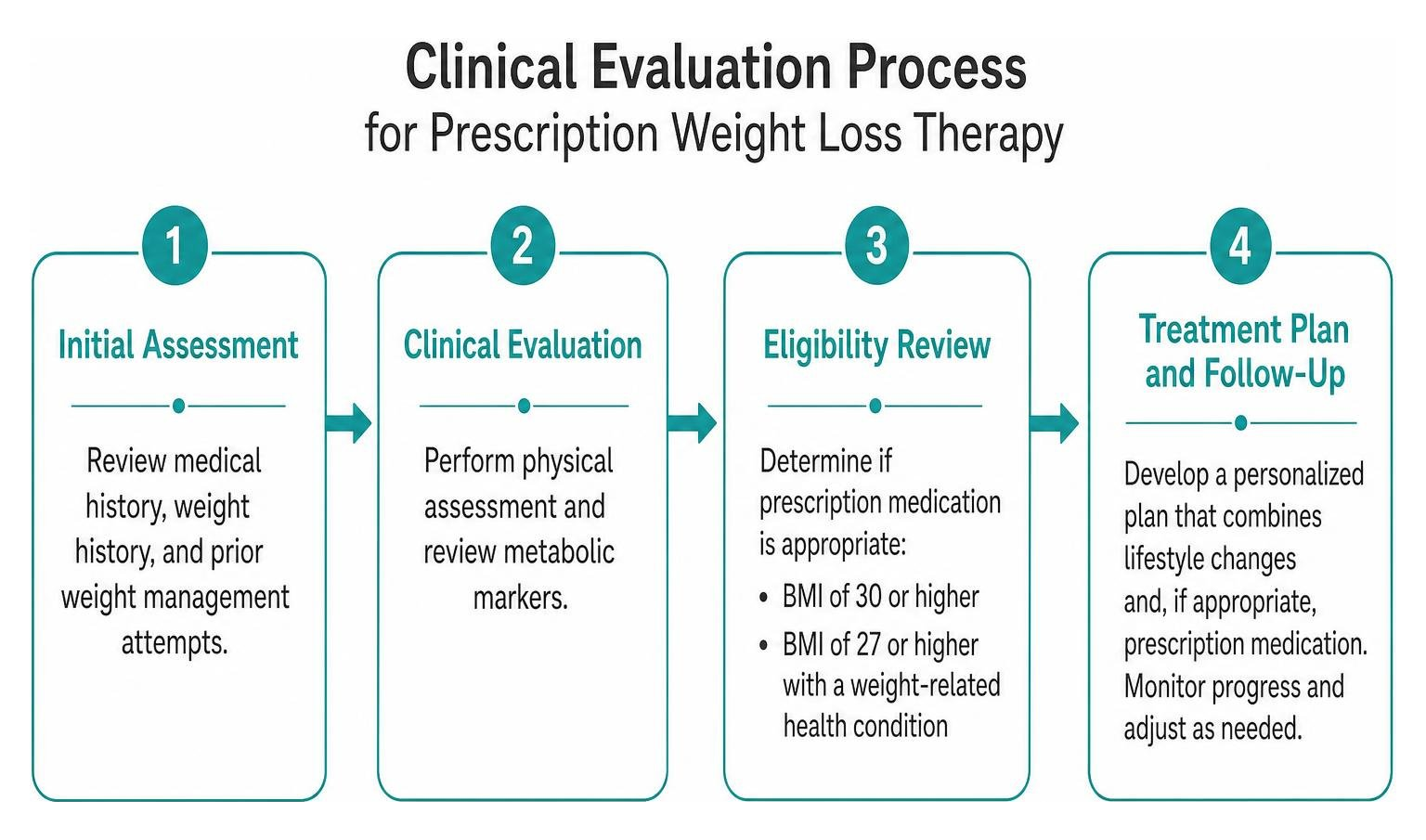
When treating a chronic metabolic condition, clinical guidance helps ensure patients achieve safe, sustainable outcomes. The ACP clinical guidelines on obesity pharmacotherapy outline an evidence-based roadmap that pairs medical interventions with targeted lifestyle support. Exploring whether medical weight loss is right for you begins with a comprehensive physical assessment, reviewing medical history, metabolic markers, and prior weight management attempts.
Who Qualifies for Prescription Weight Loss Treatment?
Prescription pharmacotherapy is indicated for specific clinical thresholds established by major health organizations and regulatory bodies:
- Body Mass Index (BMI) of 30 or higher: Individuals with obesity qualify for medical evaluation regardless of whether secondary weight-related conditions have manifested.
- BMI of 27 to 29.9 with comorbidities: Individuals categorized as overweight qualify when accompanied by at least one weight-related condition, such as hypertension, type 2 diabetes, dyslipidemia, or obstructive sleep apnea.
Certain medical conditions require extra caution or serve as direct contraindications. For example, prescription weight loss medications are not indicated during pregnancy or while breastfeeding. Patients with a personal or family history of medullary thyroid carcinoma (MTC) or Multiple Endocrine Neoplasia syndrome type 2 (MEN 2) must avoid GLP-1 receptor agonists and dual agonists. Similarly, individuals with a history of pancreatitis, active gallbladder disease, or severe gastrointestinal disorders need customized clinical evaluations before beginning pharmacotherapy.
Short-Term vs. Long-Term Pharmacotherapy Approaches
Historically, weight management medications consisted primarily of short-term sympathomimetic stimulants like phentermine and diethylpropion. These agents stimulate the central nervous system to suppress appetite, but they are typically indicated only for brief use (up to 12 weeks) due to potential cardiovascular side effects, tolerance development, and dependency considerations.
In contrast, modern clinical care treats obesity as a chronic condition requiring long-term strategies. When an individual loses weight, the body triggers evolutionary defense mechanisms: ghrelin (the hunger hormone) rises, leptin (the satiety hormone) drops, and resting energy expenditure decreases. This biological shift is often described by the metabolic “set-point” theory. Newer medications designed for long-term use help regulate these neuroendocrine pathways continuously, counteracting the body’s natural drive to regain lost weight.
Modern Weight Loss Drug Classes: From GLP-1 Agonists to Multi-Receptor Therapies
The landscape of obesity pharmacotherapy has advanced significantly over the past decade. By targeting incretin hormones—signaling molecules produced in the gut—modern therapeutics improve satiety, delay gastric emptying, and enhance metabolic regulation. Reviewing our guide to weight loss drugs provides clear insight into how these diverse mechanisms function.
GLP-1 and Dual GIP/GLP-1 Receptor Agonists
Glucagon-like peptide-1 (GLP-1) receptor agonists and dual glucose-dependent insulinotropic polypeptide (GIP)/GLP-1 receptor agonists represent the forefront of modern metabolic medicine. Peer-reviewed research highlights that GLP-1 receptor agonists can reduce body weight in obese patients by between 15% and 25% on average after approximately one year (Reiss et al., 2025).
- Semaglutide (Wegovy): In the landmark STEP-1 clinical trial, participants receiving weekly subcutaneous semaglutide 2.4 mg alongside lifestyle intervention achieved an average total body weight loss of 14.9% over 68 weeks, compared to 2.4% in the placebo group.
- Tirzepatide (Zepbound): As a dual GIP and GLP-1 receptor agonist, tirzepatide stimulates two separate metabolic pathways. In the SURMOUNT-1 trial, tirzepatide demonstrated an average weight reduction of up to 22.5% at the highest dose over 72 weeks, with long-term follow-up trials showing sustained weight reduction of 20% at three years.
- Liraglutide (Saxenda): A daily GLP-1 receptor agonist that demonstrated an average weight loss of roughly 8% in clinical trials, helping roughly one-third of participants lose 10% or more of their baseline body weight.
Comparing Novel Incretins with Traditional Oral Options
While incretin mimetics deliver substantial weight reduction, several established oral agents remain useful options based on individual tolerance, medical history, and clinical goals:
- Phentermine-Topiramate ER (Qsymia): Combines a sympathomimetic appetite suppressant with a neurostabilizing agent. In clinical trials, Qsymia demonstrated sustained weight loss of 9% to 10% at the 108-week mark compared to 1.8% for placebo.
- Bupropion-Naltrexone (Contrave): Pairs an antidepressant/dopamine-norepinephrine reuptake inhibitor with an opioid antagonist, targeting hunger and reward pathways in the brain to reduce cravings and emotional eating.
- Orlistat (Xenical, Alli): Functions locally within the gastrointestinal tract as a lipase inhibitor, preventing the absorption of roughly 30% of dietary fat. It generally achieves a modest 5% body weight reduction, though gastrointestinal side effects can limit long-term tolerability.
According to research in the American Journal of Clinical Nutrition, taking weight-loss medicines for a year can mean a loss of total body weight of 3% to 18% more than that lost with lifestyle changes alone.
Managing Side Effects and Preventing Post-Treatment Weight Regain
Gastrointestinal symptoms represent the most common side effects associated with incretin therapies. According to clinical trial analyses published in the New England Journal of Medicine, around 80% to 90% of patients develop an adverse effect from the use of GLP-1 class drugs, most frequently mild-to-moderate nausea, constipation, diarrhea, or reflux. These effects are usually transient and can be minimized through gradual dose titration and mindful eating habits. Following structured steps for healthy weight loss ensures changes occur safely.
Addressing Rapid Fat Loss and Muscle Preservation
When weight loss occurs rapidly, the body sheds both adipose tissue and lean skeletal muscle mass. Losing lean muscle reduces resting metabolic rate, increases physical frailty, and can compromise joint stability.
To safeguard muscular health and bone density:
- Prioritize Dietary Protein: Aim for adequate protein intake throughout the day to supply essential amino acids for muscle protein synthesis.
- Engage in Resistance Training: Progressive strength training stimulates muscle fibers, prompting the body to retain lean tissue while burning fat.
- Track Body Composition: Monitoring body composition metrics rather than relying solely on the scale provides a clearer picture of fat-to-muscle ratios.
- Address Facial and Skin Changes: Rapid reductions in subcutaneous adipose tissue can cause facial volume shifts or skin laxity. Gradual weight reduction combined with proper hydration and physical conditioning supports skin adaptation.
Navigating Discontinuation and Sustainable Weight Loss Treatment Maintenance
According to a systematic review published in the American Journal of Clinical Nutrition, at least one-third of patients regain lost weight within the first year after discontinuing dietary weight loss, and the majority regain it after five years. When pharmacotherapy is stopped abruptly without ongoing lifestyle management, appetite signals return rapidly while resting metabolism remains adapted to a smaller body mass.
To maintain weight management results over time:
- Always follow your provider’s instructions regarding dose adjustments, tapering schedules, or medication continuation.
- Maintain behavioral routines, consistent physical activity, and balanced meal planning developed during active therapy.
- Consult our comprehensive guide to medical obesity treatments to explore how multidisciplinary clinical strategies help protect metabolic progress.
Integrating Lifestyle Modification, Nutrition, and Physical Therapy
Prescription therapies work best when integrated with targeted nutritional habits and active physical rehabilitation. In a randomized dietary trial published in the New England Journal of Medicine, following a structured diet resulted in an average 7% weight loss at 6 months, demonstrating the independent power of lifestyle modifications regardless of the specific dietary macronutrient split.
Clinical research comparing medical and surgical obesity management emphasizes that pharmacotherapy and behavioral changes achieve meaningful, sustained outcomes when approached collaboratively (Akwe et al., 2025).
Excess weight places significant mechanical stress on weight-bearing joints, including the spine, hips, and knees. According to findings published in the journal Obesity, individuals with a BMI of 30 to 34 experience roughly 68% more pain than those of normal weight, while those with a BMI over 40 experience 254% more pain. Integrating physical therapy, chiropractic care, and structured exercise relieves joint stress, enhances flexibility, and restores functional movement. Enrolling in proven medical weight loss programs ensures every aspect of your physical health is addressed simultaneously.
Frequently Asked Questions About Clinical Weight Loss
How much weight can you lose with modern clinical medications?
Weight loss varies by medication, baseline health markers, and individual response. In large-scale clinical trials such as the STEP (semaglutide) and SURMOUNT (tirzepatide) programs, average weight reductions ranged between 15% and 22.5% of total body weight over 68 to 72 weeks when paired with lifestyle modifications. According to the CDC, losing just 5% to 10% of total body weight and keeping it off can lower blood pressure, improve blood sugar levels, and reduce triglycerides.
What happens if you stop taking GLP-1 medications?
When incretin medications are discontinued, gastric emptying rates normalize and appetite signals return to baseline levels. Because obesity is a chronic condition, stopping medication without a structured transition plan often leads to weight regain. Sustainable maintenance relies on gradual clinical tapering, ongoing nutritional awareness, resistance exercise, and continuous behavioral strategies. Always follow your provider’s instructions regarding any medication changes.
Are prescription weight loss therapies covered by insurance?
Coverage for weight loss medications varies widely between commercial insurance plans, employers, and policy types. Many plans require prior authorization or documentation of previous participation in lifestyle management programs. Global Pain & Spine Clinic accepts Medicare, Aetna, AARP, BCBS, CIGNA, and United Healthcare PPO plans, as well as personal injury and workers’ compensation; coverage depends on your plan.
Conclusion
Achieving healthy weight management requires an individualized approach that looks beyond quick fixes. By combining evidence-based pharmacotherapy with targeted physical therapy, joint-preserving movement, and lifestyle modifications, you can build a sustainable foundation for long-term health.
At Global Pain & Spine Clinic, located at 8565 W. Dempster St., Niles, IL 60714 (with convenient on-site parking), we provide multidisciplinary, non-surgical care under one roof. Our practitioners bring over 20 years of experience from the US and Europe, offering physical therapy, chiropractic care, pain management, acupuncture, IV therapy, and medical weight loss. Patients visit our clinic in Niles from surrounding communities including Chicago, Skokie, Glenview, Park Ridge, Morton Grove, Des Plaines, Mount Prospect, Norridge, and Rosemont.
To explore your options for safe, medically supervised weight management, contact our team today. Schedule an appointment to speak with our specialists about your personalized treatment plan.
References
Reiss AB, Gulkarov S, Lau R, Klek SP, Srivastava A, Renna HA, De Leon J. “Weight Reduction with GLP-1 Agonists and Paths for Discontinuation While Maintaining Weight Loss..” Biomolecules, 2025. PMCID PMC11940170. Akwe J, Fongeh K, Jung S, Hall MAK, Patidar V, Shin YM. “Medical vs. Surgical Obesity Management: A Narrative Review of Efficacy, Safety, and Long-Term Outcomes..” Cureus, 2025. PMCID PMC12497434.