






About
A limp or gait are common characteristics of balance disorders. These issues can make moving hard and stress your body and nerves. If you’ve been in an accident and now struggle with these difficulties, you should consider physical therapy here at Global Clinic. Get in touch with our Niles, Illinois office to learn more.

How Do Balance Disorders Occur?
Arthritis is a common condition that can lead to difficulty moving. Certain foot conditions, strokes, and injuries can also lead to a gait disorder. The risk of developing a gait increases as people age. The older you are, the more likely a disease or injury is to cause a chronic balance disorder.
What Are Gait and Balance Disorders?
They range from mild unsteadiness to severe walking impairments that significantly increase the risk of falls and injury. In older adults, gait and balance disorders are one of the leading causes of falls — a major public health concern. At Global Clinic in Niles, IL, our physical therapists specialize in evaluating and treating the full range of gait and balance disorders with personalized rehabilitation programs. According to the Centers for Disease Control and Prevention, falls are the leading cause of injury among adults over 65 — making early gait and balance disorder treatment essential.

How We Address Balance Disorders
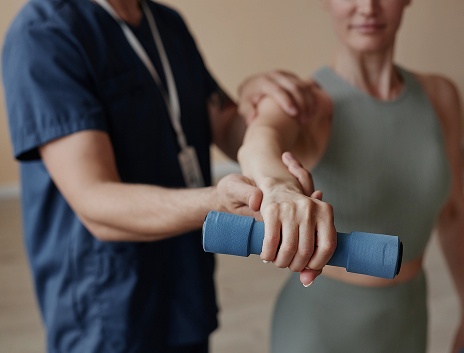
These treatments involve scheduled rehabilitation sessions that include chiropractic care, therapeutic exercises, injections, and neuromuscular re-education.
Fall prevention using unweighting therapy is also included. This therapy method uses a special harness for support while retraining the muscles to walk and prevent falling. We’re staffed by medical experts with over 20 years of experience in using these methods for rehabilitation. Together, we can work with you to improve your balance and mobility.
Common Causes of Gait and Balance Disorders
- Arthritis — joint pain and stiffness in the hips, knees, and ankles affects walking pattern and stability
- Neurological conditions — Parkinson’s disease, multiple sclerosis, and peripheral neuropathy disrupt nerve signals controlling movement
- Stroke — damage to motor control areas of the brain causes weakness and coordination problems on one side of the body
- Vestibular disorders — inner ear problems cause dizziness and balance dysfunction that affects walking
- Post-surgical weakness — reduced strength and proprioception following hip or knee replacement surgery
- Foot and ankle conditions — plantar fasciitis, neuropathy, and ankle instability alter gait mechanics
- Car or work accidents — traumatic injuries to the spine, head, or lower extremities can permanently affect gait
- Age-related changes — muscle weakness, reduced flexibility, and slower reflexes naturally affect balance over time

What Results Can I Expect?
Physical therapy and strengthening exercises can improve balance, strength, and flexibility. Some assistive devices like canes and walkers may also be provided. Your treatment will vary based on your unique situation and the cause of your balance disorder.
FAQ
Frequently Asked Questions
1. Can gait and balance disorders be cured with physical therapy?
Many gait and balance disorders improve significantly with the right physical therapy program. The degree of recovery depends on the underlying cause and how early treatment begins. Neurological conditions like Parkinson's or stroke may require ongoing maintenance therapy to preserve function. Our team sets realistic goals at your first evaluation.
2. How long does gait and balance disorder treatment take?
Most patients notice meaningful improvement within 6 to 10 weeks of consistent therapy. More complex cases involving neurological conditions or post-surgical recovery may require 3 to 6 months of treatment. Your clinician will outline a realistic timeline at your first visit.
3. Is gait and balance therapy covered by insurance?
Yes — physical therapy for gait and balance disorders is covered by most major insurance plans including Medicare. This is especially important for older adults, as fall prevention therapy is considered medically necessary. Call our Niles office at (847) 299-7000 to verify your coverage.
4. What is unweighting therapy?
Unweighting therapy uses a specialized harness system that supports a portion of your body weight while you practice walking on a treadmill or on the ground. This allows patients who cannot safely walk independently to retrain their gait pattern without the risk of falling. Global Clinic offers unweighting therapy as part of our balance rehabilitation program.
5. Who should consider gait and balance disorder treatment?
Anyone experiencing difficulty walking, frequent falls, dizziness while moving, or unsteadiness after injury, surgery, or a neurological event should seek evaluation. Early treatment produces the best outcomes and significantly reduces fall risk.