







Why Arthritis Doesn’t Have to Limit Your Life
Can physical therapy help arthritis? Yes, absolutely. Physical therapy is one of the most effective, evidence-based treatments for managing arthritis symptoms and improving joint function.
Key Benefits of Physical Therapy for Arthritis:
- Reduces pain and stiffness through targeted exercises and manual therapy
- Strengthens muscles around affected joints to provide better support
- Improves mobility and range of motion for easier daily activities
- Improves balance and coordination to reduce fall risk
- Provides pain management strategies without relying solely on medication
- Delays or prevents the need for surgery in many cases
If you’re living with arthritis in Northern Chicago, you’re not alone. Approximately 7% of the global population suffers from osteoarthritis, and knee arthritis has doubled in prevalence since the mid-20th century. The condition can make simple tasks—like climbing stairs, getting in and out of chairs, or even typing—feel overwhelming.
The good news? Research shows that physical therapy is more effective than steroid injections for reducing pain and improving function in people with knee osteoarthritis. Exercise programs lasting at least 12 weeks provide significant pain reduction and improved quality of life.
Physical therapy focuses on your body’s ability to move. Whether you want to walk around your neighborhood, play with your grandchildren, or simply perform daily tasks without pain, a physical therapist can create a personalized plan to help you reach those goals.
I’m Ana Vinikov, Practice Manager at Global Clinic, where we’ve spent over 20 years helping patients in Chicago find lasting relief from arthritis pain through personalized, non-invasive care. Our approach combines physical therapy with comprehensive pain management to address can physical therapy help arthritis from every angle, getting you back to the activities you love. Let’s explore exactly how physical therapy transforms the lives of people living with arthritis.
Quick can physical therapy help arthritis definitions:
So, Can Physical Therapy Help Arthritis? The Definitive Answer
The answer to can physical therapy help arthritis is a resounding yes! For many, physical therapy is not just a helpful adjunct but a cornerstone of effective arthritis management. Arthritis, characterized by joint pain, stiffness, swelling, and reduced mobility, affects millions worldwide. While there’s no known cure for many types of arthritis, particularly osteoarthritis (OA), physical therapy offers a powerful, non-pharmacological, and non-surgical approach to significantly improve symptoms and quality of life.
Our primary goals in physical therapy for arthritis patients are multifaceted:
- Strengthening Joint Health: By targeting muscles around affected joints, we improve their support and stability.
- Relieving Pain: Through various techniques, we work to reduce discomfort and inflammation.
- Increasing Mobility and Function: Our aim is to restore your ability to move freely and engage in daily activities with greater ease.
- Alleviating Stiffness and Fatigue: Consistent movement can combat the pervasive stiffness and tiredness often associated with arthritis.
- Improving Balance and Coordination: This is crucial for preventing falls and enhancing overall stability.
- Enhancing Overall Fitness: A comprehensive approach contributes to better cardiovascular health and general well-being.
Physical therapy focuses on the body’s ability to engage in movement, which can be anything from getting in and out of chairs to climbing stairs, walking in your neighborhood, playing a sport, or doing recreational activities. This emphasis on functional movement is why physical therapy is the most commonly recommended nonpharmacological and nonsurgical treatment for musculoskeletal diseases, especially OA. According to 2020 research involving people with knee osteoarthritis, PT was more effective than intraarticular glucocorticoid (steroid) injections at reducing pain and functional disability. Studies have also consistently shown that exercise programs lasting at least 12 weeks, with well-documented adherence, provide significant benefits in terms of arthritis pain reduction and improved quality of life.
How can physical therapy help arthritis by reducing pain and stiffness?
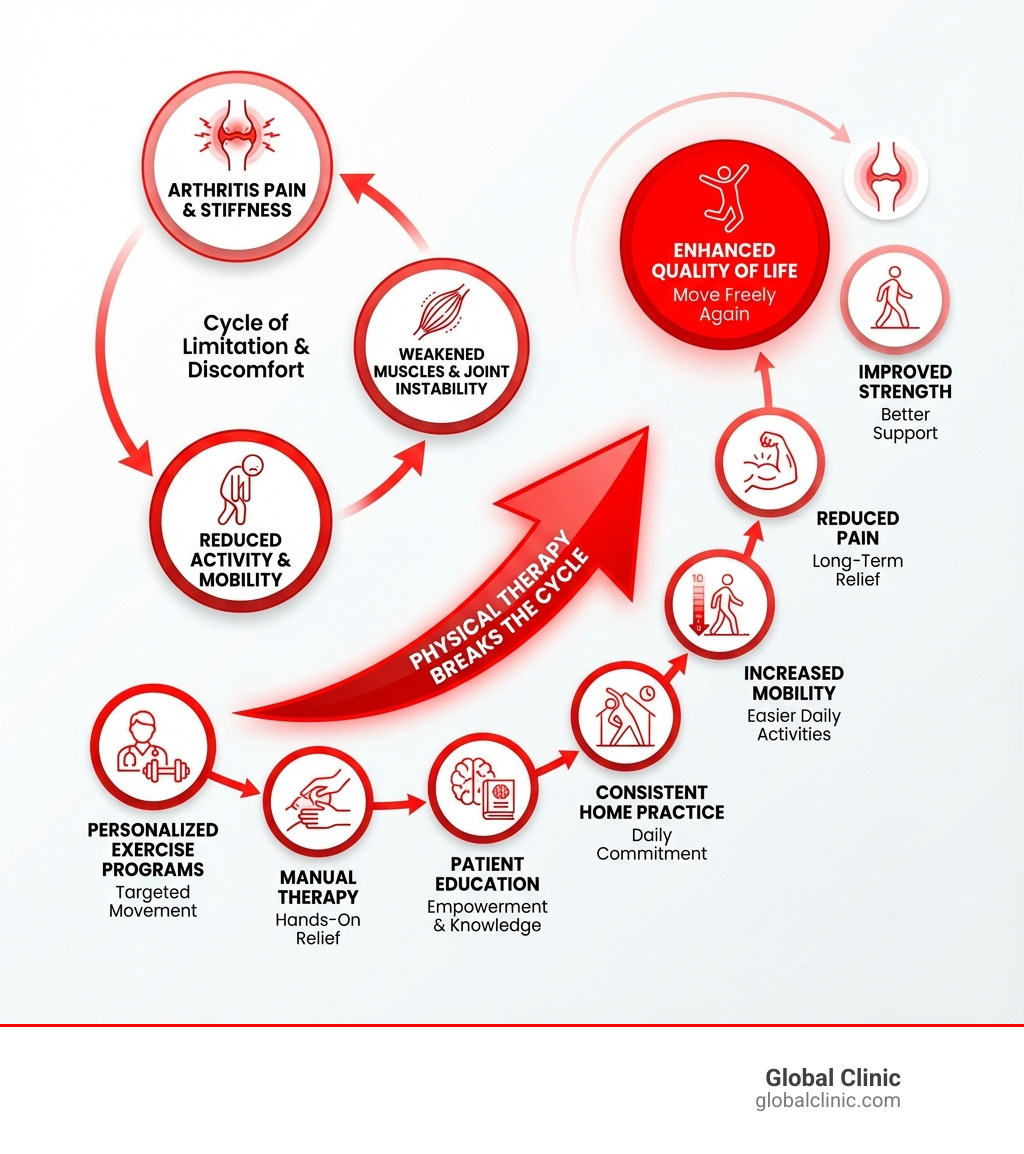
Pain and stiffness are often the most debilitating symptoms of arthritis, trapping individuals in a cycle of reduced activity, increased pain, and further stiffness. Physical therapy breaks this cycle by employing a range of strategies:
1. Pain Management Techniques:
We use various methods to alleviate pain and reduce inflammation. These can include therapeutic exercises, manual therapy, and modalities like heat and cold therapy, which can provide immediate relief and make movement more comfortable. For instance, cold therapy can reduce acute inflammation and numb pain, while heat therapy can relax muscles and improve blood flow, easing stiffness.
2. Manual Therapy:
Our physical therapists use hands-on techniques such as massage, mobilization, and manipulation to improve joint function, reduce muscle spasms, and decrease pain. These techniques help to restore normal movement patterns and reduce mechanical stress on the joints.
3. Reducing Joint Stress:
A key aspect of physical therapy is teaching you how to move in ways that minimize stress on your affected joints. This includes proper body mechanics, posture correction, and activity modification. Learning these techniques can significantly reduce the wear and tear that contributes to arthritis pain.
4. Increased Flexibility and Gentle Stretching Exercises:
Stiff joints are a common complaint with arthritis and can make it difficult to bend and straighten. As Ofure Luke, M.D., notes, “Gentle stretching and range of motion exercises can help to maintain the flexibility necessary for daily tasks, such as getting in and out of chairs or reaching overhead.” Our therapists guide you through safe and effective stretches to improve flexibility, increase your range of motion, and reduce morning stiffness. This allows you to move more freely and comfortably throughout your day.
How can physical therapy help arthritis by improving strength and balance?
Imagine a joint as a precious hinge. If the muscles surrounding it are weak, the hinge takes all the pressure, leading to pain and further damage. Strong muscles act as natural shock absorbers and stabilizers, protecting your joints.

1. Strengthening Supporting Muscles:
Our physical therapists design individualized exercise programs to strengthen the muscles around your affected joints. For instance, for knee arthritis, we focus on strengthening the quadriceps, hamstrings, and glutes. For hip arthritis, we target hip abductors and extensors. A stronger core can also provide better overall stability, reducing strain on lower body joints. Strong muscles can help stabilize a weakened joint and decrease pain. This doesn’t mean lifting heavy weights; it means targeted, progressive resistance to build functional strength.
2. Improved Stability and Reduced Fall Risk:
Arthritis can compromise joint stability, leading to a feeling of unsteadiness and an increased risk of falls. This is particularly true for knee and hip arthritis. By strengthening key muscle groups and incorporating balance training exercises, physical therapy can significantly improve your stability. This is especially important for older adults with arthritis, as falls can lead to serious injuries and further reduce independence.
3. Improved Coordination:
Beyond strength, physical therapy also focuses on improving your coordination. This means teaching your muscles and joints to work together more efficiently, leading to smoother, more controlled movements. Better coordination allows you to perform daily activities with greater confidence and less effort, helping you move freely again.
What to Expect from Your Personalized PT Plan
When you begin physical therapy at Global Clinic for your arthritis, you’re not just getting a generic workout plan. You’re starting on a personalized journey designed specifically for your body and your goals.
1. Initial Assessment and Physical Evaluation:
Your journey starts with a thorough initial assessment. Our physical therapists will listen carefully to your health history, discuss your symptoms, and understand how arthritis impacts your daily life. We’ll then conduct a comprehensive physical evaluation, assessing your posture, range of motion, muscle strength, balance, and gait. This helps us pinpoint the specific challenges you face and identify any muscle imbalances or movement dysfunctions. We consider your unique history, social and cultural influences, functional objectives, and any barriers you might have to treatment.
2. Goal Setting and Customized Treatment:
Based on your assessment, we’ll work together to set realistic and meaningful goals. Do you want to walk around Lake Arlington again? Pick up your grandchildren without pain? Or simply get a good night’s sleep? Your goals drive our customized treatment plan. This plan will be evidence-based, drawing on the latest research to ensure the most effective interventions for your specific type and stage of arthritis.
3. Frequency of Visits:
The frequency of your physical therapy appointments will vary depending on the severity of your condition and your ability to perform exercises independently. Typically, patients might start with 1-2 sessions per week. The aim is often to help you reach a point where you can confidently manage many exercises at home, with periodic follow-ups to adjust your plan as you progress. Our approach empowers you to take control of your recovery. A typical plan of care for arthritis lasts anywhere from four to six weeks, with patients usually seeing a therapist twice a week.
4. Home Exercise Program:
A critical component of your treatment will be a personalized home exercise program. As Roger Rossi, D.O., shares, “Patients will achieve a better and more sustained outcome when they commit to performing their exercises daily and consistently as part of a home exercise program.” We’ll teach you specific exercises to perform between sessions, ensuring you understand proper form and technique. This consistent practice is vital for reinforcing the gains made in the clinic and achieving long-term relief and improved function.
Key Components of Your Treatment
Our comprehensive physical therapy plans for arthritis incorporate a variety of proven techniques and strategies, all custom to your individual needs.
1. Therapeutic Exercises:
This is the heart of most physical therapy programs. We prescribe a mix of exercises to address different aspects of your condition:
- Strengthening Exercises: To build muscle support around your joints, as discussed earlier.
- Range-of-Motion Exercises: Gentle movements to improve flexibility and reduce stiffness.
- Aerobic Exercises: Low-impact activities like walking, swimming, or cycling to improve cardiovascular health, reduce fatigue, and manage weight. Tai Chi and yoga are also excellent options for combining gentle movement with mindfulness, as supported by research.
2. Manual Therapy:
Our skilled physical therapists use hands-on techniques such as soft tissue mobilization, joint mobilization, and massage to reduce pain, improve circulation, and restore joint mechanics. These techniques can be particularly effective in alleviating stiffness and improving tissue extensibility.
3. Modalities:
We may incorporate various physical modalities to manage pain and inflammation:
- Heat Therapy: Applied to relax muscles and increase blood flow.
- Cold Therapy: Used to reduce swelling and numb painful areas.
- Other Modalities: Depending on your specific needs, we might also use electrotherapy, ultrasound, or other techniques to complement your exercise program.
4. Assistive Device Training:
If your arthritis affects your balance or makes walking difficult, we can guide you on the proper use of assistive devices.
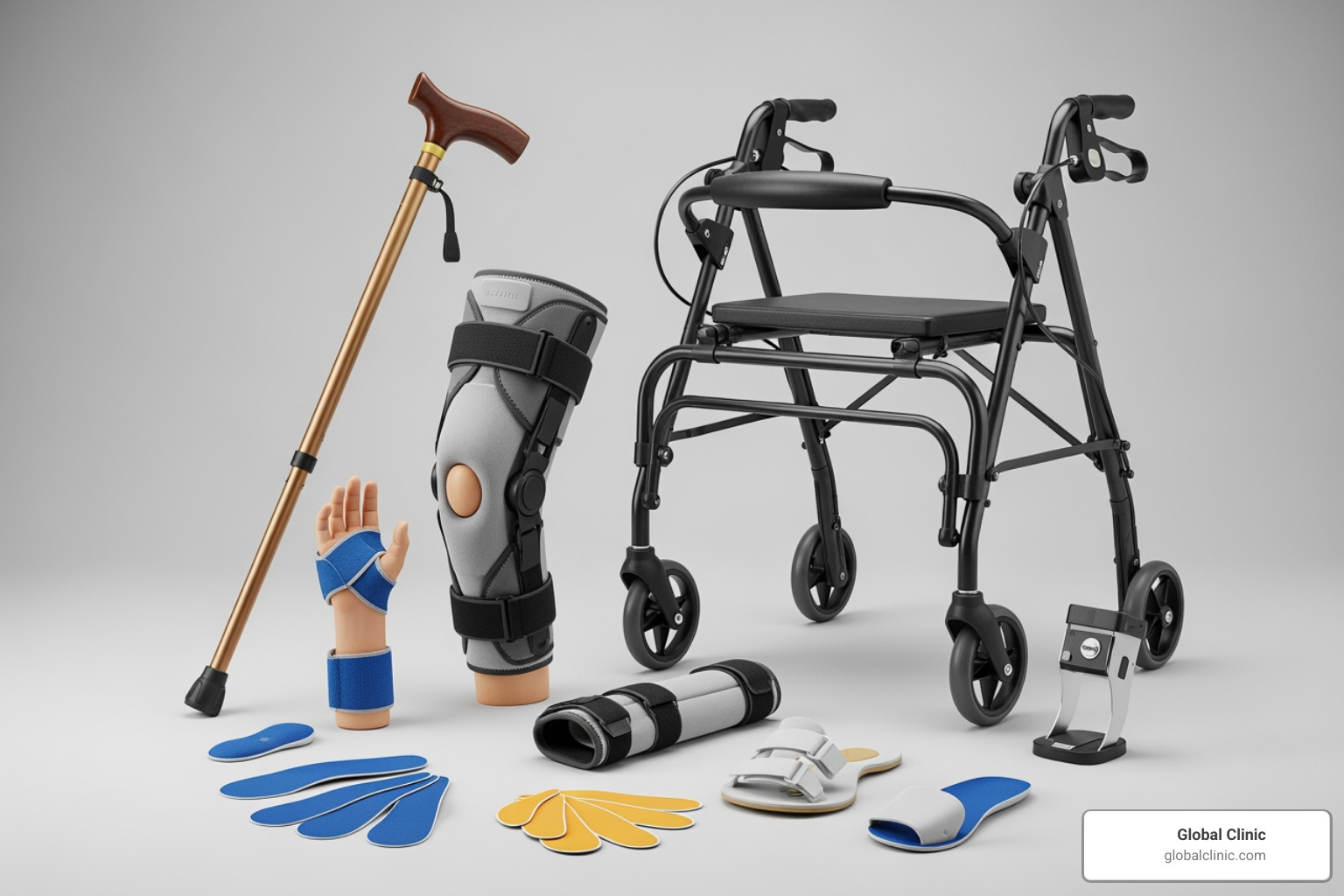
This might include:
- Canes and Walkers: To provide stability and reduce weight-bearing on painful joints.
- Braces and Splints: To support and protect affected joints.
- Shoe Inserts: To improve alignment and reduce impact.
We teach you how to use these devices safely and effectively, ensuring they improve your mobility and independence without causing new problems.
The Critical Role of Patient Education
At Global Clinic, we believe that informed patients are empowered patients. Education is not just a supplement to physical therapy; it’s an integral part of your treatment plan. As Javier Soares-Velez, M.D., emphasizes, “A critical element of physical therapy is education. Your physical therapist will help you understand, for example, how to reduce stress on your joints, how to do the exercises in your treatment plan and how to manage pain on your own.”
1. Understanding Your Condition:
We take the time to explain what arthritis is, how it affects your body, and what you can do to manage it. This understanding helps explain your symptoms and encourages active participation in your recovery.
2. Joint Protection Strategies:
Learning how to protect your joints during daily activities is paramount. This includes:
- Body Mechanics and Posture: We’ll teach you how to move, lift, sit, and stand in ways that minimize strain on your joints.
- Activity Modification: Understanding how to pace yourself and modify tasks to avoid overstressing your joints.
- Environmental Modifications: Simple changes in your home or workplace, such as using ergonomic chairs or cushioned mats, can make a big difference in reducing daily joint stress.
3. Pain Self-Management:
Our therapists provide you with tools and strategies to manage your pain independently. This might include specific stretches, relaxation techniques, or guidance on when and how to apply heat or cold. The goal is to give you control over your symptoms, reducing reliance on external interventions.
4. Importance of Consistency:
We continuously highlight the importance of consistent adherence to your home exercise program and lifestyle modifications. We discuss potential barriers to lifestyle changes and work with you to find solutions. This ongoing commitment is what leads to lasting relief and improved function, helping you maintain your ability to move freely again.
Tailoring Treatment for Your Specific Needs
Arthritis is not a single disease; it’s a broad term encompassing over 100 different conditions. The two most common types we see in Northern Chicago are osteoarthritis (OA) and rheumatoid arthritis (RA), and while physical therapy is beneficial for both, our approach is always custom to your specific diagnosis.
Physical Therapy Goals for Different Types of Arthritis:
| Feature | Osteoarthritis (OA) | Rheumatoid Arthritis (RA) |
|---|---|---|
| Primary Focus | Pain relief, improving joint function, strengthening muscles around joints, maintaining mobility. | Reducing inflammation, preserving joint function, preventing deformity, managing fatigue. |
| Exercise Emphasis | Strengthening, flexibility, low-impact aerobic (swimming, cycling), balance. | Gentle range-of-motion, flexibility, strengthening (especially during remission), energy conservation. |
| During Flare-ups | Rest, pain management modalities (ice/heat), gentle range-of-motion. | Joint protection, gentle movement, pain relief, avoiding over-stressing inflamed joints. |
| Long-term Goal | Slowing progression, delaying surgery, maintaining active lifestyle, weight management. | Maintaining remission, preventing joint damage, preserving independence, managing systemic symptoms. |
Our approach is never a one-size-fits-all solution. Your physical therapist at Global Clinic will consider the type of arthritis you have, which joints are affected, the severity of your symptoms, and your overall health. We also adapt your treatment plan over time, especially when managing chronic conditions like RA, where periods of flare-ups and remission require different strategies. During a flare-up, the focus might shift to gentle movements and pain management, while during remission, we can intensify strengthening and conditioning exercises.
Physical Therapy and Comprehensive Care
Physical therapy is a vital piece of your overall arthritis management puzzle, but it rarely acts alone. Our physical therapists are experts in improving movement, strength, and mobility, but we also believe in a collaborative approach to health.
1. PT Focus:
Our core focus is on restoring and enhancing your physical function. We help you move better, stronger, and with less pain. This includes addressing specific challenges like Hip Joint Pain or Living Comfortably with Knee Arthritis. We also address issues like Addressing Back Pain with Physical Therapy if your arthritis impacts your spine.
2. Collaboration with Other Healthcare Professionals:
We work closely with your primary care physician, rheumatologist, or other specialists to ensure a holistic approach to your care. This might include coordinating with pain management specialists for options like Joint Injection Therapy or exploring cutting-edge treatments like Regenerative Joint Therapy when appropriate.
3. Adapting Daily Activities and Environments:
While physical therapy helps your body adapt, sometimes your environment needs to adapt too. We can offer guidance on how to modify your home or workspace to make daily tasks easier and less painful. For instance, an occupational therapist, who focuses on helping individuals perform daily activities, might recommend specific home modifications or orthotics to support affected joints. While physical therapists focus on improving the body’s ability to move, occupational therapists help you adapt to perform tasks despite physical limitations.
Safety First: Is Physical Therapy for Arthritis Safe?
A common misconception is that exercising with arthritis means “no pain, no gain.” This couldn’t be further from the truth, especially when dealing with chronic conditions like arthritis. Our motto is “smart movement, lasting gain.”
1. Working with a Qualified PT:
When you work with a qualified physical therapist at Global Clinic, safety is our top priority. We conduct thorough assessments to understand your limitations and design a program that challenges you without causing harm. Physical therapy should not make arthritis symptoms worse or cause severe pain. If you experience worsening symptoms or severe pain during or after a session, it’s crucial to communicate this immediately to your therapist so they can adjust your plan.
2. Listening to Your Body and Starting Slowly:
We teach you to listen to your body’s signals. It’s normal to experience some moderate muscular discomfort or soreness when starting a new exercise, but sharp or increasing joint pain is a red flag. We always encourage starting slowly and gradually increasing the intensity and duration of exercises as your body adapts.
3. Proper Technique:
Our therapists ensure you use proper form and technique for every exercise. Incorrect movements can exacerbate joint pain or cause new injuries. We provide clear instructions and hands-on guidance to help you master each movement safely.
4. Importance of Warm-ups and Cool-downs:
Every exercise session begins with a gentle warm-up to prepare your joints and muscles for activity and ends with a cool-down to promote flexibility and prevent stiffness. The CDC recommends consulting your doctor or physical therapist before beginning an exercise program for arthritis. They can recommend appropriate exercises and suggest modifications.
5. Guidelines on Physical Activity for Arthritis:
The CDC emphasizes that physical activity is safe for people with arthritis and that the pain from activity should improve over time. Key safety tips include:
- Choose Low-Impact Activities: Swimming, aquatic therapy, cycling, and brisk walking are excellent choices as they reduce stress on joints.
- Stretch: Incorporate stretching for all major muscle groups, especially those prone to pain and stiffness.
- Take Rest Days: Allow your body time to recover between more intense sessions.
- Avoid Painful Exercises: If an exercise causes severe joint pain, stop and discuss alternatives with your physical therapist.
Achieving Long-Term Success and Finding the Right Care
Consistent physical therapy isn’t just about temporary relief; it’s an investment in your long-term health and well-being. The potential long-term outcomes and benefits are truly transformative.
1. Lasting Benefits:
By consistently engaging in your personalized physical therapy program, you can experience sustained reductions in pain and stiffness, maintain or improve your range of motion, and build lasting muscle strength. This leads to enduring improvements in your physical function and overall comfort.
2. Improved Quality of Life:
When you can move freely and participate in activities you enjoy, your quality of life naturally improves. This can mean getting back to hobbies, spending more time with loved ones, or simply enjoying everyday tasks without the constant burden of pain. Furthermore, consistent exercise has been shown to decrease fatigue, boost cardiovascular fitness, and even improve cognition in people with rheumatoid arthritis. Adults with arthritis often face challenges with anxiety and depression, and staying active through PT can also have significant positive impacts on mental health.
3. Potentially Delaying or Avoiding Surgery:
For many individuals with arthritis, especially osteoarthritis, physical therapy can significantly delay or even prevent the need for more invasive procedures like joint replacement surgery. By optimizing joint function and strengthening surrounding structures, PT helps preserve your natural joints for longer.
4. Increased Independence:
The goal of physical therapy for arthritis is to empower you with the tools and strength to live an independent life. Moving freely again means you can rely less on others and more on your own capabilities, whether that’s getting in and out of a car without pain, raising your arms to reach items in kitchen cabinets, or taking a walk without hip, knee, or foot pain.
How to Find a Qualified Physical Therapist
Finding the right physical therapist is crucial for your arthritis journey. You want someone experienced, compassionate, and dedicated to your personalized care.
1. Ask Your Doctor for a Referral:
Your primary care physician or rheumatologist is an excellent resource for recommendations. They can refer you to physical therapists who specialize in arthritis management.
2. Check with Reputable Medical Centers:
Many leading hospitals and healthcare systems in Northern Chicago have physical therapy departments with specialists in orthopedic and rheumatologic conditions.
3. Search for Specialists:
Look for physical therapists with expertise in orthopedics, geriatrics, or sports medicine, as these areas often involve extensive experience with arthritis. You can also visit the American Physical Therapy Association’s PT locator tool where you can search for a physical therapist by zip code and practice area.
4. Ask Questions:
Once you have identified a few potential therapists, don’t hesitate to call their offices. Ask about their experience treating your specific type of arthritis or joint problem. Inquire about their approach to patient education and home exercise programs. At Global Clinic, we pride ourselves on our personalized, innovative care and our team’s experience in helping patients in Northern Chicago manage arthritis effectively.
Conclusion: Take Control of Your Arthritis Journey
Living with arthritis can feel like an uphill battle, but it doesn’t have to define your life. The answer to can physical therapy help arthritis is clear: it offers a powerful path to reducing pain, improving function, and enhancing your overall quality of life. Through personalized exercises, manual therapy, assistive device training, and comprehensive patient education, physical therapy empowers you to regain control and move freely again.
Consistency is key, and with the right guidance, you can build a sustainable routine that supports your joints and keeps you active. At Global Clinic, we’re dedicated to providing personalized, innovative care to our community in Northern Chicago. Our team is ready to partner with you, offering comprehensive pain management solutions designed to help you achieve your goals.
Don’t let arthritis hold you back any longer. Take the first step towards a more comfortable and active life.