








What Is an IV Booster Drip — and Is It Worth It?
An IV booster drip delivers vitamins, minerals, and fluids directly into your bloodstream through a small needle placed in a vein — bypassing your digestive system entirely.
Here’s what you need to know at a glance:
| Feature | IV Booster Drip | Oral Supplements |
|---|---|---|
| Absorption rate | Direct to bloodstream | Varies; limited by digestion |
| Onset of effects | Minutes to hours | Hours to days |
| Customizable | Yes | Limited |
| Common ingredients | Vitamin C, B vitamins, zinc, glutathione, magnesium | Varies by product |
| Session length | 30–60 minutes | N/A |
| Who it’s for | Fatigue, immunity, recovery, dehydration | General daily nutrition |
The core idea is simple: when nutrients go straight into your blood, they are not limited by how well your gut absorbs them.
That said, IV therapy is not a magic fix. The science behind it is real in some cases, but the evidence for healthy people is still limited. We’ll break all of that down honestly in this guide.
I’m Anna Slavin, Practice Manager at Global Clinic — a multidisciplinary medical center whose team brings over 20 years of global medical experience in pain management, regenerative medicine, and IV therapy to the Northern Chicago area. My team works closely with patients every day to determine whether an IV booster drip is the right fit for their specific health goals and medical history.
Understanding the Science of the IV Booster Drip
To understand how an IV booster drip works, we have to look at how our bodies process nutrients. When you swallow a vitamin pill or eat a nutrient-rich meal, that food must travel through your stomach, endure highly acidic gastric juices, pass into the intestines, and finally undergo “first-pass metabolism” in the liver before ever reaching your systemic circulation.
By the time this journey is complete, a significant portion of those vitamins has been lost. How much is absorbed varies by nutrient and by person, and for some nutrients it is limited.
An IV booster drip bypasses this process. By introducing fluids, electrolytes, vitamins, and antioxidants directly into a vein, the digestive tract is avoided and the nutrients enter circulation directly.
Historically, intravenous therapy was reserved for acute clinical settings, such as treating severe dehydration, cholera epidemics, or malnutrition in hospital wards. However, the modern wellness movement has adapted these clinical delivery methods into proactive therapies. Today, standard IV hydration (which typically consists of normal saline or Lactated Ringer’s) is frequently combined with a targeted vitamin booster to support cellular metabolism, tissue repair, and immune function.
While the immediate physical sensation of a “boost” is often due to rapid rehydration, the scientific community continues to study the systemic impacts of high-dose micronutrient infusions. According to Harvard Health’s analysis of IV vitamin replenishment, while IV therapy is a critical medical intervention for individuals with severe malabsorption disorders, its benefits for healthy individuals are still largely supported by clinical anecdotes rather than massive randomized controlled trials.
At Global Clinic, we believe in bridging the gap between clinical evidence and functional wellness. To learn more about the mechanics of intravenous nutrient delivery, you can explore our comprehensive guide to IV infusions.
Key Ingredients and Bioavailability of IV Infusions
To truly appreciate the difference between oral and intravenous nutrient delivery, we must look at the cellular level. When your cells are starved of key coenzymes, metabolic processes slow down, leading to feelings of fatigue, brain fog, and physical sluggishness.
The Bioavailability Advantage of an IV Booster Drip
The biological limit of oral supplements is primarily dictated by active transport mechanisms in the gastrointestinal tract. For example, your intestines can only absorb a small amount of Vitamin C at any given time because the cellular “transporters” become saturated. If you consume more than 1 gram of Vitamin C orally, your absorption rate drops drastically, and the excess is simply excreted (often causing stomach irritation along the way).
In contrast, an IV booster drip circumvents this intestinal ceiling. Research indicates that IV vitamin therapy can achieve plasma levels of Vitamin C up to 100 times higher than those achieved through oral intake. These higher blood levels allow nutrients to reach the tissues more readily, although more is not always better and the right formula depends on your needs.
To dive deeper into how this process rejuvenates the body from the inside out, read about the cellular benefits of IV therapy.
Essential Vitamins, Minerals, and Antioxidants
A high-quality IV booster drip is more than just saltwater; it is a highly customized cocktail of cellular building blocks. Some of the most common and scientifically supported ingredients include:
- Vitamin C: A powerful antioxidant that stimulates the production and function of leukocytes (white blood cells) and plays a vital role in collagen synthesis and wound healing.
- B-Complex Vitamins: A group of water-soluble vitamins (including B1, B2, B3, B5, B6, and B12) that act as essential cofactors in cellular respiration, helping your mitochondria convert glucose into usable cellular energy (ATP).
- Glutathione: Often called the “master antioxidant,” glutathione is composed of three amino acids (cysteine, glutamate, and glycine). When taken orally, stomach acids break it down, rendering it largely ineffective. Delivered via IV, it remains intact to scavenge free radicals, neutralize oxidative stress, and support liver detoxification.
- Zinc: An essential mineral involved in over 300 enzymatic reactions. Zinc is critical for T-cell function; even a mild deficiency can reduce the activity of thymulin, a key immune hormone.
- Magnesium: Required for muscle relaxation, nerve conduction, and cellular energy signaling.
- NAD+ (Nicotinamide Adenine Dinucleotide): A coenzyme of Vitamin B3 found in every living cell. NAD+ is crucial for mitochondrial function, DNA repair, and activating sirtuins (the body’s anti-aging proteins).
Many of these formulations are modern iterations of the classic Myers’ Cocktail, which was developed in the 1970s by Dr. John Myers. For a detailed medical breakdown of this foundational protocol, you can refer to the Merck Manual’s overview of the Myers’ Cocktail.
Additionally, for those looking to optimize muscle recovery and cellular repair, combining these vitamins with targeted amino acids may be helpful. Learn more about how these building blocks work in our guide to amino acid drips.
Clinical Applications: Who Benefits and Safety Guidelines
While the wellness industry often markets IV drips as a universal lifestyle accessory, we approach them through a clinical lens. Every patient’s biology is unique, and intravenous therapies should always be administered in a controlled, professional setting following a thorough medical evaluation.
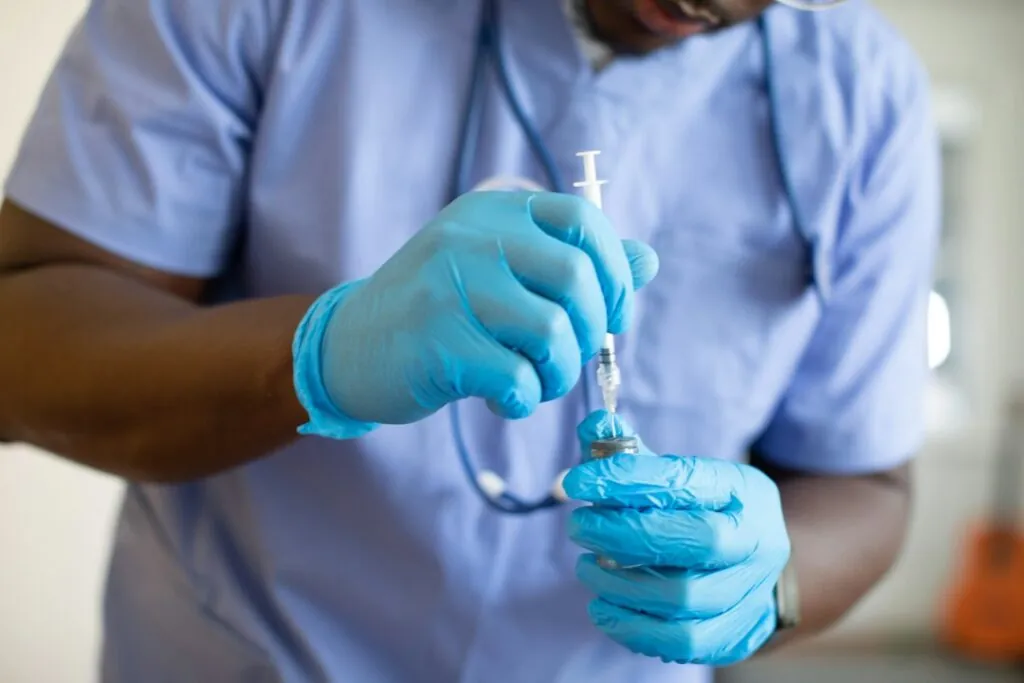
Who Benefits Most from an IV Booster Drip?
Under the supervision of qualified medical professionals, an IV booster drip may be helpful for several specific groups:
- Individuals with Malabsorption Issues: Patients suffering from Crohn’s disease, celiac disease, ulcerative colitis, or those who have undergone bariatric surgery often cannot absorb nutrients efficiently through their digestive tracts. For them, IV therapy is a vital tool for preventing nutritional deficiencies.
- Those Experiencing Chronic Fatigue and Burnout: Modern lifestyles can leave us chronically depleted. B-complex vitamins and magnesium support energy metabolism, and some patients report feeling less tired, although evidence in healthy adults is limited. If you are struggling with persistent exhaustion, you can read about how to get your energy back with a B12 IV drip nearby.
- Athletes Requiring Rapid Recovery: Intense physical exertion depletes both fluids and essential minerals. IV fluids can help restore fluid and electrolyte balance, which may ease muscle cramping.
- People Recovering from Acute Dehydration or Illness: Whether recovering from a severe stomach flu, intense travel fatigue, or seasonal dehydration, direct fluid replacement can help speed recovery.
Potential Risks and Safety Considerations
Because IV therapy bypasses the body’s natural protective barriers (the skin and the digestive tract), safety must be the absolute priority. It is critical to receive these treatments from licensed, experienced medical professionals.
Some of the primary risks and safety considerations include:
- Electrolyte Imbalances: Introducing high volumes of fluids or specific minerals (like magnesium or potassium) too quickly can disrupt the delicate electrolyte balance of your blood, potentially affecting heart and muscle function.
- Fluid Overload: Patients with underlying heart conditions, high blood pressure, or kidney impairment must be extremely cautious. Infusing too much fluid can strain the cardiovascular system and kidneys.
- Infection and Vein Damage: Any time the skin is punctured, there is a minor risk of infection, bruising, or phlebitis (inflammation of the vein). Using strict sterile techniques is non-negotiable.
- Contraindications: Individuals with specific genetic conditions, such as G6PD deficiency (a red blood cell enzyme deficiency), should avoid high-dose Vitamin C infusions, as it can cause hemolysis (the rupture of red blood cells).
Before undergoing any treatment, a comprehensive medical history review is essential to ensure there are no contraindications with your current medications or health status. For a deep dive into safety protocols, read our ultimate guide to IV therapy benefits and risks.
Frequently Asked Questions
Understanding your treatment options is key to making empowered decisions about your health. Below are some of the most common questions our specialists receive at our Niles clinic.
How often should you receive an IV infusion?
The ideal frequency of an IV booster drip depends entirely on your personal health goals, lifestyle, and medical needs.
For general wellness, seasonal immune support, or occasional travel recovery, many patients find that a monthly session is sufficient to maintain their nutrient levels. However, individuals recovering from acute illnesses, undergoing intense athletic training, or managing chronic fatigue may benefit from a bi-weekly protocol for a limited period.
During your initial clinical assessment at Global Clinic, our medical team will review your medical history, lifestyle, and any relevant lab work to design a personalized schedule tailored to your body’s specific demands.
What is the difference between an IV drip and an IV push?
The primary differences lie in the volume of fluid administered, the concentration of the nutrients, and the time required for the procedure:
- IV Drip: This method involves slowly infusing a larger volume of fluid (typically 250 ml to 1,000 ml of saline or Lactated Ringer’s) mixed with vitamins and minerals. The process is gradual, taking anywhere from 30 to 60 minutes. It is highly effective for simultaneous rehydration and nutrient delivery.
- IV Push: In an IV push, a highly concentrated, smaller volume of nutrients (typically 30 ml to 60 ml) is injected directly into the vein using a syringe over a span of 15 to 20 minutes. While it delivers a rapid dose of vitamins, it does not provide the systemic hydration benefits of a full drip bag.
Can IV therapy help with chronic fatigue?
It may help as part of a comprehensive, multidisciplinary treatment plan. Chronic fatigue is often linked to mitochondrial dysfunction — a state where your cells’ powerhouses struggle to produce ATP (adenosine triphosphate) efficiently.
An IV booster drip rich in B-complex vitamins, magnesium, Vitamin C, and NAD+ provides the direct cellular precursors required for ATP synthesis. By delivering these micronutrients without digestive interference, some patients report feeling less tired and less foggy, although evidence in healthy adults is limited.
However, we always recommend investigating the root cause of chronic fatigue, which may include hormone imbalances, chronic inflammation, or sleep disorders.
Conclusion
At Global Clinic, we believe that true wellness is built on a foundation of personalized, evidence-based care. We serve the Northern Chicago community, providing innovative pain management, chiropractic care, physical therapy, and regenerative medicine at our clinic in Niles.
Whether you are looking to support your immune system, recover from intense physical exertion, or address persistent fatigue, our experienced medical team is here to help. We proudly serve patients across the Northern Chicago suburbs, including:
- Niles, IL
- Skokie, IL
- Glenview, IL
- Park Ridge, IL
- Morton Grove, IL
- Des Plaines, IL
- Mount Prospect, IL
- Chicago, IL
We do not believe in one-size-fits-all treatments. When you visit us, we will perform a comprehensive medical evaluation to make sure your therapy is safe and appropriate for your health goals.
If you are ready to experience the benefits of a customized wellness plan, speak with our specialists to learn more about our professional IV infusions, or call our Niles clinic at (847) 299-7000 to schedule a consultation.