



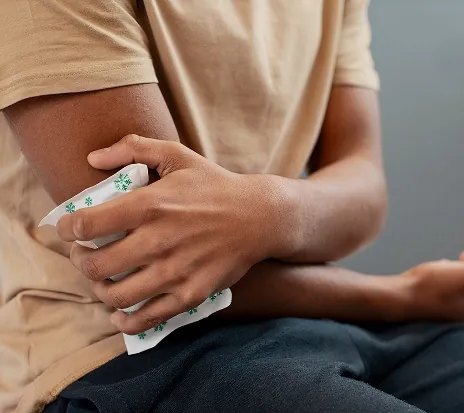




Why Understanding Pain Management Matters
Pain Management is a critical aspect of healthcare that combines medical treatments, therapies, and lifestyle changes to help people reduce pain and improve their daily functioning. Whether you’re dealing with acute pain from a recent injury or chronic pain that’s lasted months or years, effective pain management can significantly improve your quality of life. Key approaches include:
- Physical therapies – Exercise, physical therapy, chiropractic care
- Medications – Non-opioid options like NSAIDs, antidepressants, anticonvulsants
- Interventional procedures – Nerve blocks, injections, radiofrequency ablation
- Mental health support – Cognitive Behavioral Therapy (CBT), mindfulness
- Lifestyle modifications – Diet, sleep hygiene, stress management
Pain affects over 50 million Americans, making it one of the most common reasons people seek medical care. If you’ve experienced pain that lasts longer than three months or interferes with your daily activities, you’re dealing with what healthcare providers call chronic pain. Unlike acute pain—which serves as a warning signal and typically resolves after healing—chronic pain persists and often requires a comprehensive, multidisciplinary approach.
The good news? Modern pain management has shifted away from relying solely on medications (especially opioids) toward patient-centered, multimodal strategies. Studies show that combining different treatment approaches can result in approximately 30% reduction in pain scores while improving function and quality of life. This means focusing not just on eliminating pain entirely, but on helping you get back to the activities you love.
Today’s pain management recognizes that everyone experiences pain differently. Your biological makeup, psychological factors, past experiences, and social circumstances all influence how you perceive and respond to pain. That’s why cookie-cutter solutions rarely work—and why working with a team of specialists who understand this complexity is so important.
As Anna Slavin, Practice Manager at Global Clinic, I help patients in Northern Chicago steer their pain management journey, combining traditional and innovative treatments to create personalized care plans. Our multidisciplinary approach brings together chiropractic care, physical therapy, regenerative medicine, and pain management specialists to address the root causes of your pain—not just mask the symptoms.
Pain Management glossary:
Understanding Your Pain: Acute vs. Chronic
Pain is a universal experience, but not all pain is the same. Understanding the differences between acute and chronic pain is the first step toward finding effective Pain Management.

Acute pain is like a fire alarm, signaling that something is wrong. It’s often sharp, sudden, and intense, typically lasting for less than a month. Common causes include injuries like cuts, burns, sprains, or fractures, as well as post-surgical pain or dental work. This type of pain usually resolves once the underlying cause is treated and the body heals.
Chronic pain, on the other hand, is a different beast entirely. It’s defined as pain that persists for three months or longer, sometimes for years, continuing even after an injury has healed. Unlike acute pain, chronic pain is not just a symptom; it’s often considered a disease process in itself, involving complex changes in the nervous system. This means the pain signals can keep firing even when there’s no ongoing tissue damage.
The transition from acute to chronic pain can be subtle. Sometimes, what starts as a temporary discomfort evolves into a persistent issue, changing the way your brain and nervous system work. This change can lead to heightened pain sensitivity and make management more challenging.
Here’s a quick comparison of acute versus chronic pain:
| Feature | Acute Pain | Chronic Pain |
|---|---|---|
| Cause | Injury, trauma, surgery, infection | Disease, condition, injury (persisting), nerve damage, unknown |
| Duration | Less than 3 months (often days or weeks) | 3 months or longer (can be years) |
| Purpose | Warning signal of immediate harm | No clear protective purpose, often debilitating |
| Treatment Goal | Resolve underlying cause, short-term relief | Improve function, reduce pain, improve quality of life |
Common Causes of Chronic Pain
Chronic pain can stem from a wide array of conditions and experiences. It’s truly remarkable how many different paths lead to persistent discomfort. Some of the most common causes we see in our Northern Chicago clinics include:
- Initial Injury or Trauma: A severe injury might heal on the surface, but the pain pathways can remain overactive.
- Post-Surgical Pain: Even after successful surgery, some individuals experience lingering pain, sometimes due to nerve involvement or scar tissue.
- Nerve Damage (Neuropathic Pain): Conditions like diabetic neuropathy, shingles, or direct nerve injuries can lead to burning, tingling, or shooting pain that doesn’t respond to typical pain relievers. Less than 50% of people with neuropathic pain experience adequate relief with a single therapy.
- Arthritis: Degenerative conditions like osteoarthritis or inflammatory types like rheumatoid arthritis cause ongoing joint pain.
- Back Problems: Chronic back pain is incredibly common, often due to issues with discs, joints, or muscles in the spine.
- Headaches and Migraines: Frequent and severe headaches can significantly impact daily life.
- Fibromyalgia: A chronic disorder characterized by widespread musculoskeletal pain accompanied by fatigue, sleep, memory, and mood issues.
- Endometriosis: A condition where tissue similar to the lining of the uterus grows outside the uterus, causing chronic pelvic pain.
It’s important to recognize that chronic pain is increasingly viewed as a disease in its own right, not merely a symptom. This understanding underscores the need for specialized, comprehensive Pain Management approaches.
The Role of Professional Pain Management
Living with chronic pain can feel isolating, but you don’t have to face it alone. Professional Pain Management involves a dedicated team of experts who work together to understand your unique situation and develop a personalized plan.

At Global Clinic, our multidisciplinary teams are at the heart of our collaborative care approach. This means you benefit from the expertise of various healthcare professionals, including:
- Physicians specializing in pain medicine
- Physical therapists
- Chiropractors
- Psychologists or mental health professionals
- Occupational therapists
- Regenerative medicine specialists
This team approach leads to improved outcomes because we can address the many facets of pain—physical, emotional, and functional—simultaneously. Instead of focusing on just one aspect, we look at the whole picture to help you achieve lasting relief and a better quality of life.
How is Pain Assessed and Diagnosed?
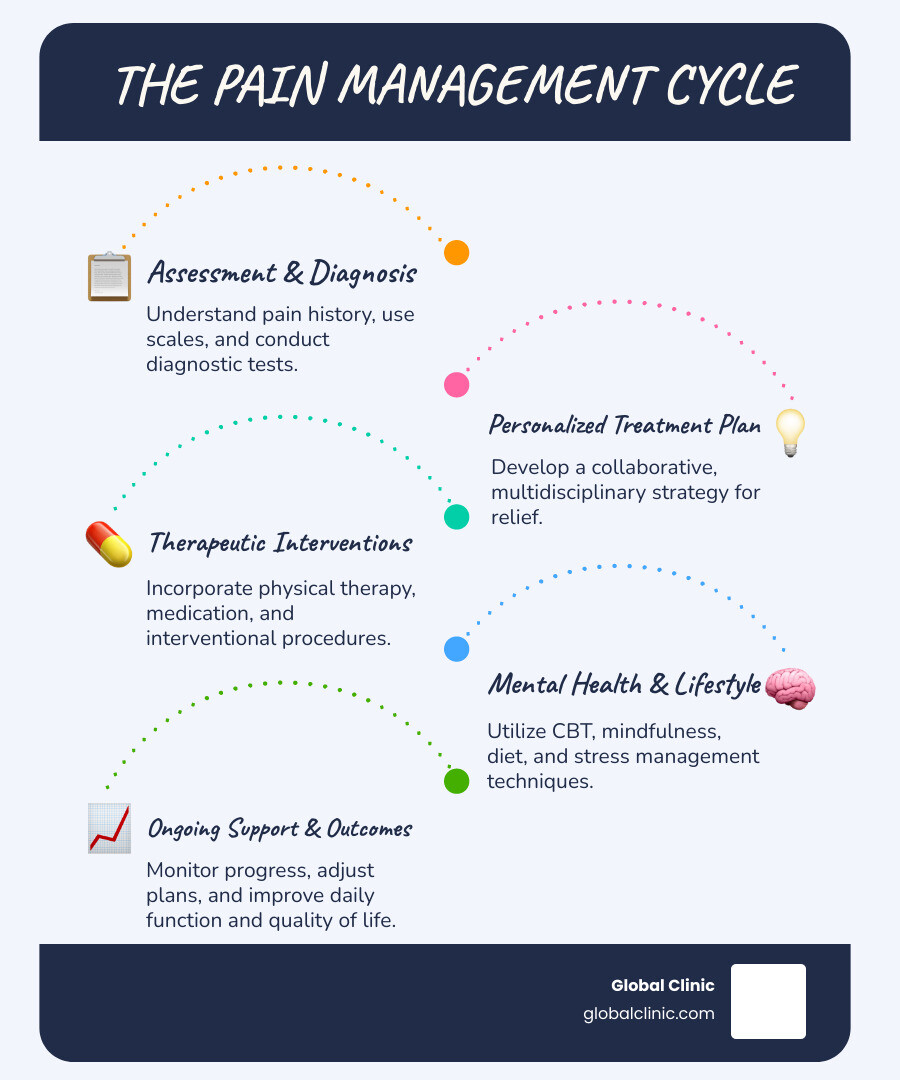
Effective Pain Management begins with a thorough assessment and accurate diagnosis. When you visit our clinics in Northern Chicago, we take the time to listen and understand your experience.
Our assessment typically includes:
- Patient History: We’ll ask detailed questions about your pain, including its location, intensity, what makes it better or worse, and how it impacts your daily activities and quality of life.
- Physical Examination: A comprehensive physical exam helps us identify physical limitations, tenderness, and other signs related to your pain.
- Pain Scales: We often use tools like the Numeric Rating Scale (NRS-11), where you rate your pain from 0 (no pain) to 10 (worst possible pain). This helps us track your progress.
- Diagnostic Tests: Depending on your symptoms, we may recommend imaging tests such as X-rays, MRI, or CT scans, or electrodiagnostic studies like nerve conduction studies (NCS) or electromyography (EMG) to pinpoint the source of your pain.
- Assessing Impact on Function and Quality of Life: We also evaluate how pain affects your ability to work, socialize, sleep, and enjoy life. Tools like the PEG, a three-item scale assessing pain intensity and interference, help us understand the broader impact of your pain.
By gathering all this information, we can arrive at a precise diagnosis and lay the groundwork for an effective treatment plan.
Your First Visit to a Pain Clinic
Your first visit to Global Clinic is an important step towards regaining control over your pain. We understand that it can be daunting, but our team is here to make the process as comfortable and informative as possible.
Here’s what you can generally expect:
- Comprehensive Assessment: We’ll review your medical history, any diagnostic imaging or laboratory tests you’ve had, and discuss your symptoms in detail. This comprehensive look helps us understand the full scope of your pain.
- Goal Setting: We’ll talk about your goals for Pain Management. What does a better quality of life look like for you? Is it being able to walk further, sleep better, or enjoy hobbies again? Setting clear, realistic goals is crucial for a successful treatment journey.
- Discussion of Treatment Options: Based on your assessment and goals, we’ll discuss a range of treatment options custom to your specific needs. This might include medications, physical therapies, interventional procedures, or mental health support.
- Developing a Personalized Plan: Together, we’ll create a personalized Pain Management plan. This isn’t a one-size-fits-all approach; it’s a strategy designed specifically for you.
- Role of Pain Clinics: Our clinics in Northern Chicago serve as hubs for specialized Pain Management. We offer advanced diagnostics and a wide array of therapies that may not be available through a general practitioner.
- How to Get a Referral: While you can contact us directly to explore your options, many patients are referred to a pain clinic by their primary care physician. We work closely with referring doctors to ensure seamless care coordination.
We believe in empowering you to play an active role in your own care. Your input is invaluable as we design a path forward.
Comprehensive Pain Management Strategies
Effective Pain Management often involves a multi-modal approach, combining various therapies to address pain from different angles. At Global Clinic, we offer a wide range of strategies to help you find relief and improve your quality of life.
Physical and Rehabilitative Therapies
Physical and rehabilitative therapies are cornerstones of non-pharmacological Pain Management. They focus on restoring function, reducing pain, and preventing future injuries.
- Physical Therapy: Our physical therapists create individualized exercise programs to improve strength, flexibility, and range of motion. Techniques like therapeutic exercises, manual therapy, and modalities such as ultrasound can be highly effective. The CDC even recommends physical therapy and exercise as first-line treatments for many chronic pain conditions.
- Chiropractic Adjustments: Our chiropractors specialize in spinal adjustments and other manipulative therapies to improve spinal alignment and nervous system function, alleviating pain in the back, neck, and other areas.
- Osteopathic Manipulation (OMT): Similar to chiropractic care, OMT uses hands-on techniques to diagnose, treat, and prevent illness or injury, focusing on the interconnectedness of the body’s systems.
- Massage Therapy: Therapeutic massage can help relax tense muscles, improve circulation, and reduce pain. It’s a fantastic complementary therapy that can be integrated into a broader plan.
These therapies are often preferred for subacute and chronic pain, as they offer significant benefits without the risks associated with medications.
Medications for Pain Management
Medications play a vital role in Pain Management, but our approach emphasizes careful selection and judicious use, particularly regarding opioids.
- Non-Opioid Analgesics: These are often the first line of defense.
- Acetaminophen: Like Tylenol, it helps reduce pain and fever. While generally safe, overuse is the most common cause of acute liver failure in the U.S.
- NSAIDs (Nonsteroidal Anti-inflammatory Drugs): Medicines like ibuprofen (Advil) and naproxen (Aleve) reduce pain and inflammation. They are effective for many types of acute and chronic pain.
- Opioids: While powerful pain relievers, prescription opioids carry serious risks, including opioid use disorder and overdose. They can reduce pain in the short-term but may not relieve all pain and can even increase pain sensitivity with long-term use. We reserve opioids for specific, carefully considered situations, prioritizing short-term use and exploring alternatives extensively.
- Antidepressants: Certain antidepressants, particularly tricyclic antidepressants (TCAs) and serotonin-norepinephrine reuptake inhibitors (SNRIs), are effective for chronic pain, especially neuropathic pain, even in individuals without depression.
- Anticonvulsants: Medications like gabapentin and pregabalin, originally developed for epilepsy, are highly effective in managing neuropathic pain by calming overactive nerve signals.
- Topical Analgesics: Creams, gels, and patches containing ingredients like NSAIDs, lidocaine, or capsaicin can provide localized pain relief with fewer systemic side effects.
We work with you to find the right combination of medications that maximizes relief while minimizing risks, always keeping your safety and long-term well-being in mind.
Interventional Procedures
For some types of pain, especially when conservative treatments haven’t provided sufficient relief, interventional procedures can offer targeted and effective solutions. These are often performed by pain specialists and can provide significant relief by directly addressing the source of pain.
- Nerve Blocks: Injections of local anesthetics, sometimes combined with steroids, near specific nerves to block pain signals.
- Epidural Steroid Injections: Used for back and leg pain caused by nerve compression in the spine, these injections deliver anti-inflammatory medication into the epidural space.
- Radiofrequency Ablation (RFA): This procedure uses heat generated by radio waves to “turn off” nerve signals from specific areas, providing longer-lasting pain relief. Learn more about Radiofrequency Ablation (RFA): The Newest Pain Control Method.
- Spinal Cord Stimulation: A small device is implanted to deliver mild electrical pulses to the spinal cord, interrupting pain signals before they reach the brain. We also offer Peripheral Nerve Stimulation for Treating Chronic Pain.
- Joint Injections: Injections into joints, often using corticosteroids or hyaluronic acid, to reduce inflammation and pain, particularly in conditions like arthritis. We provide Joint Injection Therapy for various joints.
Our pain specialists will discuss the potential benefits and risks of each procedure with you, ensuring you make an informed decision about your care.
The Importance of Mental Health Support in Pain Management
The connection between chronic pain and mental health is profound. Chronic pain can be mentally exhausting, often leading to depression and anxiety, which in turn can intensify pain perception. In fact, depression and anxiety disorders are four times more likely among patients with chronic pain than pain-free individuals. Addressing these emotional aspects is a critical component of comprehensive Pain Management.
- Cognitive Behavioral Therapy (CBT): CBT helps you understand the link between your thoughts, emotions, and behaviors related to pain. It equips you with skills to cope with the emotional load of chronic pain, addressing negative thought patterns that can increase pain.
- Acceptance and Commitment Therapy (ACT): ACT focuses on accepting pain as part of your experience while committing to actions that align with your values, helping you live a full life despite pain.
- Mindfulness and Meditation: Mindfulness-based interventions have been shown to decrease the intensity of pain for chronic pain patients. These techniques teach you to focus on the present moment, observing sensations without judgment, which can alter your relationship with pain.
Our team often includes psychologists and counselors who can provide these valuable mental health supports, helping you build resilience and improve your overall well-being.
Lifestyle and Self-Management: Taking an Active Role
While professional medical treatments are essential, your active participation through lifestyle changes and self-management techniques is incredibly powerful in Pain Management. As of 2024, patients are strongly encouraged to play a major role in managing their pain.
- Patient Empowerment: Taking an active role means you’re not just a passive recipient of treatment; you’re a partner in your health journey. This empowerment can significantly improve outcomes.
- Supported Self-Management: We provide tools and education to help you manage your pain day-to-day. This includes learning strategies like activity pacing (balancing activity with rest to avoid flare-ups) and relaxation techniques.
- Anti-inflammatory Diet: What you eat can influence inflammation in your body, which can impact pain. Focusing on an anti-inflammatory diet rich in fruits, vegetables, and lean proteins can be beneficial.
- Pacing Activities: Learning to pace yourself, rather than pushing through pain, helps prevent exacerbation of symptoms and allows you to maintain a more consistent level of activity.
- Relaxation Techniques: Deep breathing, progressive muscle relaxation, and guided imagery can help reduce muscle tension and stress, both of which can worsen pain.
- Sleep Hygiene: Chronic pain often disrupts sleep, and poor sleep can exacerbate pain. Establishing healthy sleep habits is crucial.
- Exercise: Physical activity is often recommended as a first-line treatment for chronic pain. Even gentle exercises, like walking, swimming, or yoga, can improve strength, flexibility, mood, and overall function. We also offer specific guidance on Gentle Exercise for Seniors to Stay Active and Healthy.
By integrating these strategies into your daily life, you become an active manager of your pain, leading to greater control and a better quality of life.
Frequently Asked Questions about Pain Management
Here are some common questions we hear about Pain Management:
How do I access pain management services?
The best way to access Pain Management services is to start by discussing your concerns with your primary care physician. They can help evaluate your pain, rule out acute issues, and determine if a referral to a pain specialist or pain clinic is appropriate. Many pain clinics, including ours, operate on a referral basis.
Once referred, our team will work with you to understand your specific needs and develop a personalized treatment plan. We also encourage you to check with your insurance provider regarding coverage for different therapies, as plans can vary.
Is pain management different for children and adolescents?
Yes, Pain Management for children and adolescents requires a specialized and sensitive approach. While the principles are similar, the assessment and treatment methods are adapted to their developmental stage and unique needs.
- Specialized Approach: Pediatric pain specialists are trained to understand how pain manifests in younger individuals and how to communicate effectively with them.
- Focus on Non-Pharmacological Methods: There’s a strong emphasis on non-pharmacological interventions, such as physical therapy, play therapy, relaxation techniques, and cognitive behavioral therapy (CBT) custom for children. Hypnotherapy, for instance, has shown effectiveness in reducing procedure-related pain in children.
- Family Involvement: Family-centered care is crucial. Parents and caregivers are actively involved in the treatment plan, learning how to support their child’s Pain Management strategies at home.
Our pediatric pain specialists, child psychologists, and pediatric physical therapists work together to ensure that children and youth receive the most appropriate and compassionate care. The Canadian Paediatric Society provides best practices for pain assessment and management in children, highlighting the importance of age-appropriate tools and a multidisciplinary team.
Are alternative therapies like acupuncture effective?
Alternative and integrative therapies are increasingly recognized for their role in comprehensive Pain Management.
- Acupuncture: This ancient Chinese technique involves inserting thin needles into specific points on the body. While its effectiveness has been debated, systematic reviews have suggested that acupuncture can be effective for various types of chronic pain, including chronic low back pain. Some studies, however, find it hard to quantify the difference between acupuncture, sham acupuncture, and no acupuncture groups.
- Biofeedback: This technique teaches you to control involuntary bodily functions, such as heart rate or muscle tension, to reduce pain. Evidence suggests biofeedback can be effective for a range of medical conditions, including chronic pain.
It’s essential to discuss any alternative therapies with your healthcare provider to ensure they are safe and appropriate for your condition and to integrate them effectively into your overall Pain Management plan.
Conclusion: Your Path to a Life with Less Pain
Navigating the complexities of pain can be challenging, but a modern, multidisciplinary approach to Pain Management offers hope and real solutions. We’ve seen how understanding the difference between acute and chronic pain, leveraging the expertise of a professional team, and employing a variety of strategies—from physical therapy and medications to mental health support and lifestyle changes—can transform lives.
At Global Clinic, we are dedicated to helping our neighbors in Northern Chicago find lasting relief. We believe in a personalized approach, recognizing that your pain journey is unique. Our team of specialists in chiropractic care, physical therapy, and regenerative medicine works collaboratively in our state-of-the-art facility to provide innovative care that addresses the root causes of your pain. We aim to empower you with the tools and knowledge for effective self-management, so you can move beyond just coping with pain to truly living your life again.
If you’re ready to explore how a custom Pain Management plan can improve your quality of life, we invite you to connect with us. Find more about our comprehensive services and how we can support your journey to a life with less pain.
More info about our comprehensive pain management services