







Why a Hip Pain Chiropractor Might Be the Relief You’ve Been Looking For
A hip pain chiropractor uses hands-on spinal and joint adjustments, soft tissue therapy, and targeted exercises to reduce hip pain, restore mobility, and address the root cause — without surgery or medication.
Here’s a quick snapshot of what chiropractic care can do for hip pain:
| What It Treats | How It Helps |
|---|---|
| Osteoarthritis | Reduces stiffness, improves joint mobility |
| Sciatica | Relieves nerve pressure, eases radiating leg pain |
| Bursitis | Lowers inflammation around the hip joint |
| SI joint dysfunction | Corrects pelvic misalignment |
| Muscle imbalances | Strengthens and stabilizes the hip |
Your hips do a lot of heavy lifting — literally. They support your weight, keep you balanced, and power nearly every movement you make, from getting out of a chair to climbing stairs. When something goes wrong in the hip, you feel it fast.
Hip pain is one of the most common reasons people in the Chicago area seek non-surgical care. And yet, many people don’t realize how closely the hips are connected to the spine, pelvis, and even the feet. A problem in one area almost always ripples into the others.
Research backs up what many patients already discover firsthand: chiropractic care can produce real, measurable results. A 2021 study found that drop-table chiropractic techniques led to significant improvements in hip pain. A review of four studies showed chiropractic manual therapy outperformed exercise alone for hip osteoarthritis — both short and long term. And 83% of hip osteoarthritis patients improved within just nine chiropractic visits.
This guide walks you through exactly how chiropractic care works for hip pain, what to expect from your visits, and how to get the most out of your treatment.
My name is Ana Vinikov, and as the practice manager at Global Pain & Spine Clinic — a multidisciplinary center with over 20 years of experience helping patients across Northern Chicago find lasting relief — I’ve seen how a skilled hip pain chiropractor can change lives. Our team works alongside pain management specialists, physical therapists, and podiatric experts to deliver care that’s truly personalized to each patient.
Hip pain chiropractor word guide:
Understanding the Root Causes of Hip and Pelvic Discomfort
When you visit a hip pain chiropractor in our Niles or Skokie locations, the first thing we do is determine exactly why you’re hurting. Hip pain is rarely “just” hip pain; it is often a complex interplay of joint wear, muscular tension, and nerve irritation.
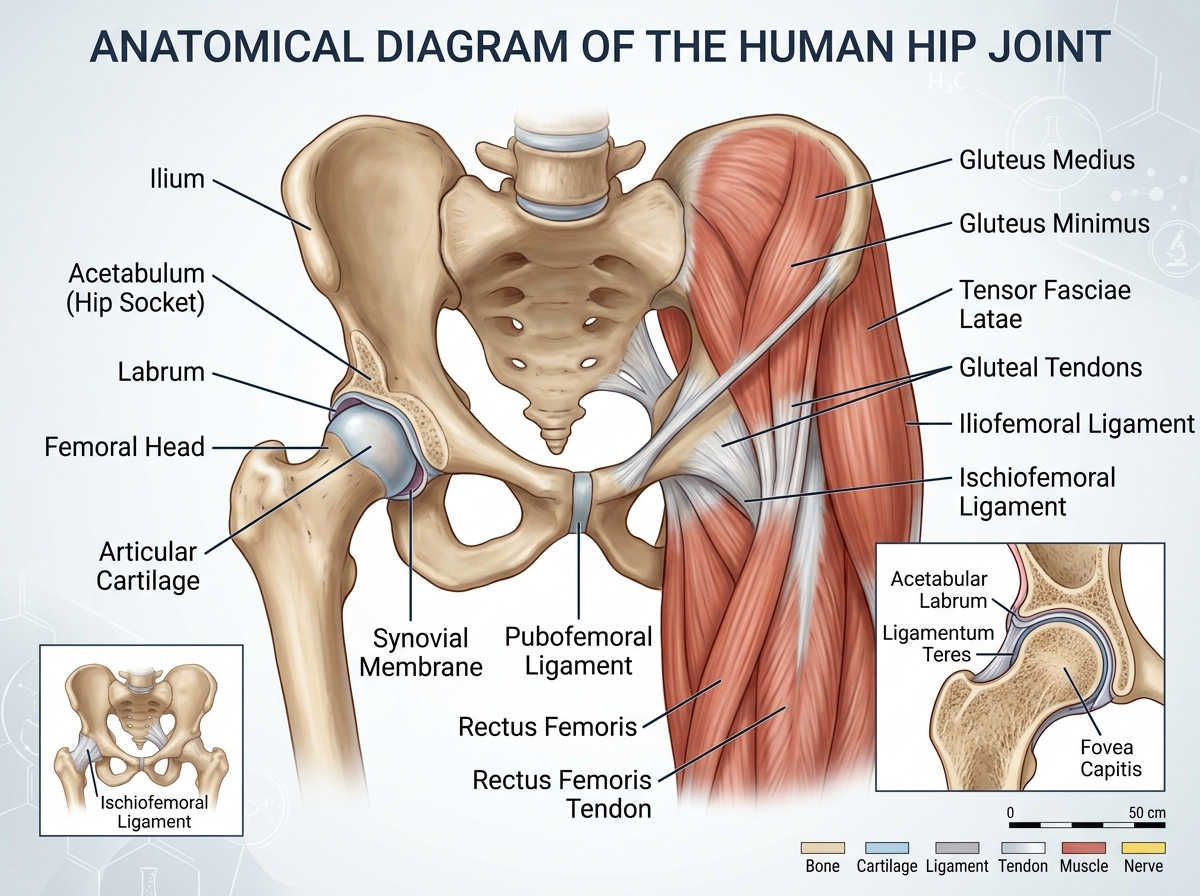
Osteoarthritis and Degeneration
Osteoarthritis is the most common cause of hip pain, particularly as we age. It occurs when the protective cartilage on the ends of your bones wears down over time. This leads to hip joint pain characterized by stiffness, especially in the morning or after sitting for long periods. A research review on manual therapy for hip osteoarthritis confirmed that chiropractic manual therapy is more effective for this condition than exercise alone, providing both short-term relief and long-term functional improvement.
Sciatica and Referred Pain
Sometimes the pain you feel in your hip isn’t coming from the hip at all. Sciatica occurs when the sciatic nerve—which runs from your lower back through your hips and down each leg—becomes compressed. This can cause sharp, radiating pain, tingling, or numbness in the hip area. Because the hip and lower back are so closely linked, a misalignment in the lumbar spine often manifests as hip discomfort.
Bursitis and Inflammation
Your hip joints contain small, fluid-filled sacs called bursae that act as cushions between bones and soft tissues. When these become inflamed (bursitis), it can cause a dull ache or sharp pain on the outside of the hip. We often focus on hip muscle pain relief to take the pressure off these sensitive sacs.
Pelvic Misalignment and SI Joint Dysfunction
The Sacroiliac (SI) joints connect your spine to your pelvis. If these joints become too loose or too stiff, they can cause significant pain in the hip and groin. Pelvic misalignment—where one side of the pelvis sits higher or further forward than the other—is a frequent culprit. This imbalance forces the hip muscles to overwork, leading to chronic tightness and “referred pain” that can travel down the leg or up into the back.
Tendonitis and Labral Tears
Overuse from sports or repetitive motions can lead to tendonitis (inflammation of the tendons) or tears in the labrum (the ring of cartilage that follows the outside rim of your hip joint socket). These injuries often cause a “clicking” or “locking” sensation in the joint.
How a Hip Pain Chiropractor Restores Mobility
The philosophy of a hip pain chiropractor is simple: if we restore proper alignment to the joints, the body can heal itself more effectively. At Global Pain & Spine Clinic, we don’t just “crack” a joint; we use evidence-based protocols to decompress nerves and improve mechanics.
Spinal and Hip Manipulation
The core of chiropractic care is the adjustment. By applying a controlled, sudden force to a joint, we can improve its range of motion and physical function. For those suffering from hip issues, this often involves adjusting the lower back and the pelvis to ensure the entire “kinetic chain” is balanced. A 2021 study on the effectiveness of drop-table techniques showed that this specific gravity-assisted method resulted in significant pain reduction and mobility improvements for hip patients compared to sham treatments.
Nerve Decompression
If your hip pain is caused by sciatica, our goal is to move the pressure away from the sciatic nerve. Research on spinal manipulation for sciatica has shown that up to 60% of patients who didn’t find relief from other treatments benefited as much from chiropractic care as they would have from surgery. This is a powerful testament to the efficacy of non-invasive care.
Inflammation Reduction and Joint Cavitation
When a joint is adjusted, you might hear a “pop”—this is joint cavitation, the release of gas bubbles from the joint fluid. This process helps reduce internal pressure and can trigger a natural anti-inflammatory response. By restoring motion, we also encourage better blood flow to the area, which is essential for healing damaged tissues.
To understand the broader impact of these treatments, you can explore the 4 ways chiropractic care can transform your life, which details how improving joint health enhances overall wellness and energy levels.
What to Expect from a Hip Pain Chiropractor
If you are visiting a chiropractor for the first time in the Chicago area, you might feel a bit nervous. Don’t worry! Here is how we typically handle a first visit at our facilities:
- Comprehensive Medical History: We need to know about your past injuries, lifestyle, and exactly when the pain started.
- Gait Assessment: We will watch you walk. How your feet hit the ground and how your hips swing can tell us a lot about your alignment.
- Posture Analysis: We look for imbalances, such as one shoulder being higher than the other or a tilted pelvis.
- Orthopedic and Neurological Testing: We perform specific physical tests to check your range of motion, muscle strength, and nerve reflexes.
- Personalized Treatment Plan: Based on the findings, we create a roadmap for your recovery.
For a deeper dive into what happens during these sessions, check out our chiropractor complete guide and our specific chiropractor chicago il complete guide.
Specialized Hip Pain Chiropractor Methods
We utilize a variety of techniques tailored to your specific needs:
- Diversified Technique: The classic manual adjustment to realign the spine and hips.
- Activator Method: A handheld instrument that provides a gentle, low-force adjustment—perfect for those who prefer a lighter touch or have sensitive joints.
- Myofascial Release: This involves manual pressure and stretching to break up “knots” in the muscles surrounding the hip.
- Instrument-Assisted Soft Tissue Mobilization (IASTM): Using specialized tools to break down scar tissue and improve circulation.
- Pelvic Blocking: Using cushioned wedges placed under the pelvis to allow gravity to gently realign the SI joints.
- Regenerative Support: In some cases, we combine chiropractic with regenerative joint therapy to help rebuild damaged cartilage or tendons.
We also offer specialized care for expectant mothers through our prenatal chiropractic care complete guide, as the hips undergo significant stress during pregnancy.
The Connection Between Foot Alignment and Hip Health
One of the most overlooked aspects of hip health is what’s happening at the very bottom of your body: your feet. Your body operates as a “kinetic chain.” If the foundation (your feet) is unstable, every joint above it—the ankles, knees, hips, and spine—must compensate.
The Problem with Flat Feet and Overpronation
If you have flat feet or your arches “collapse” inward (overpronation), your legs rotate internally with every step. This internal rotation puts a massive amount of torque on the hip joint and can cause the pelvis to tilt forward. Over time, this misalignment leads to chronic bursitis and muscle strains.
Pelvic Tilt and Knee Alignment
When your feet aren’t supporting you correctly, you might develop a pelvic tilt. This hitches one side of your hip up, making one leg appear shorter than the other. This isn’t just a cosmetic issue; it changes how the hip socket wears down.
At Global Pain & Spine Clinic, our hip pain treatment often involves checking your footwear and foot mechanics. We might suggest addressing back pain with physical therapy or specific therapy for back issues that are actually rooted in poor foot support. Custom orthotics can often be the “missing piece” that makes your chiropractic adjustments “stick” for longer.
Safety, Risks, and Long-Term Outcomes
Is seeing a hip pain chiropractor safe? The short answer is yes. According to a 2017 review on the safety of chiropractic care, the risk of a serious adverse event is incredibly low—ranging from 1 per 2 million to 13 per 10,000 patients.
Common Side Effects
Most patients experience what we call “the good sore.” Similar to the feeling after a tough workout, you might have some muscle tenderness or stiffness for 24 to 48 hours after an adjustment. This is simply your body adapting to its new, correct alignment.
The Importance of Adherence
Chiropractic is a partnership. Research on the importance of home exercise adherence shows that patients who consistently do their prescribed stretches and strengthening exercises at home see significantly better long-term outcomes. We provide these exercises to help stabilize the work we do in the office.
Surgery Prevention and Chronic Management
Our goal is always to help you avoid the operating table. By correcting mechanical issues early, we can often delay or entirely prevent the need for hip replacements. For those with chronic conditions like permanent arthritis, regular maintenance care helps keep the joint mobile and the pain manageable.
Whether you are looking for a chiropractor barrington il guide or need help from a chiropractor addison il, our multidisciplinary approach ensures you aren’t just getting a temporary fix, but a long-term solution.
Frequently Asked Questions about Chiropractic for Hip Pain
How many sessions are typically needed for relief?
This varies based on whether your pain is acute (a recent injury) or chronic (something you’ve dealt with for years).
- Acute Pain: You might feel significant relief in 3 to 6 sessions.
- Chronic Conditions: For issues like osteoarthritis, research shows that 83% of patients see major improvement within 9 visits.
Initially, we may see you twice a week to get the inflammation under control, then transition to “maintenance care” once a month to keep you moving comfortably.
Is chiropractic care safe for hip arthritis?
Absolutely. In fact, it is often recommended. We use gentler mobilization techniques for arthritic joints to avoid irritation while still improving the range of motion. According to Cleveland Clinic insights on hip pain causes, conservative management is a vital first step in managing degenerative joint disease. We focus on preserving the cartilage you have left and strengthening the muscles around the joint to reduce the load.
Can a chiropractor help prevent hip surgery?
In many cases, yes. While some traumatic injuries or advanced stages of bone-on-bone arthritis eventually require surgery, many patients find they can postpone or avoid it through mechanical correction. NIH perspectives on conservative management emphasize that non-surgical interventions should be exhausted before considering invasive procedures. By improving the way your hip, pelvis, and spine work together, we take the “grind” out of the joint.
Conclusion
Hip pain doesn’t have to be your “new normal.” Whether your discomfort is caused by a sports injury, years of sitting at a desk in Des Plaines, or the natural wear and tear of aging in Glenview, a hip pain chiropractor can help you regain your quality of life.
At Global Pain & Spine Clinic, we take pride in our multidisciplinary approach. We serve the entire Northern Chicago area—including Niles, Skokie, Glenview, Park Ridge, Morton Grove, and Mount Prospect—providing a blend of chiropractic care, physical therapy, and advanced regenerative medicine. We listen to your story, analyze your movement, and build a plan that fits your life.
If you’re ready to stop limping and start living, we invite you to contact our clinic and speak with our specialists. For more information on how we can help you find relief, please visit our chiropractor-complete-guide. Your journey back to mobility starts with a single step—make sure it’s a pain-free one.
Schedule an appointment today and let us help you get back on your feet!