


Understanding PRP and the Path to Recovery
How soon can I walk after prp injection depends on your specific situation, but here’s what most patients can expect:
| Timeline | Walking Activity | What to Expect |
|---|---|---|
| First 24-48 hours | Limited walking only | Short distances, minimal weight-bearing, possible crutches for lower limb injections |
| Days 3-7 | Light, gentle movement | Short walks (5-10 minutes) on flat surfaces as comfort allows |
| Weeks 2-4 | Increased activity | Longer walks, light cycling, swimming, gentle stretching |
| Week 4+ | Return to normal | Gradual resumption of daily activities and exercise |
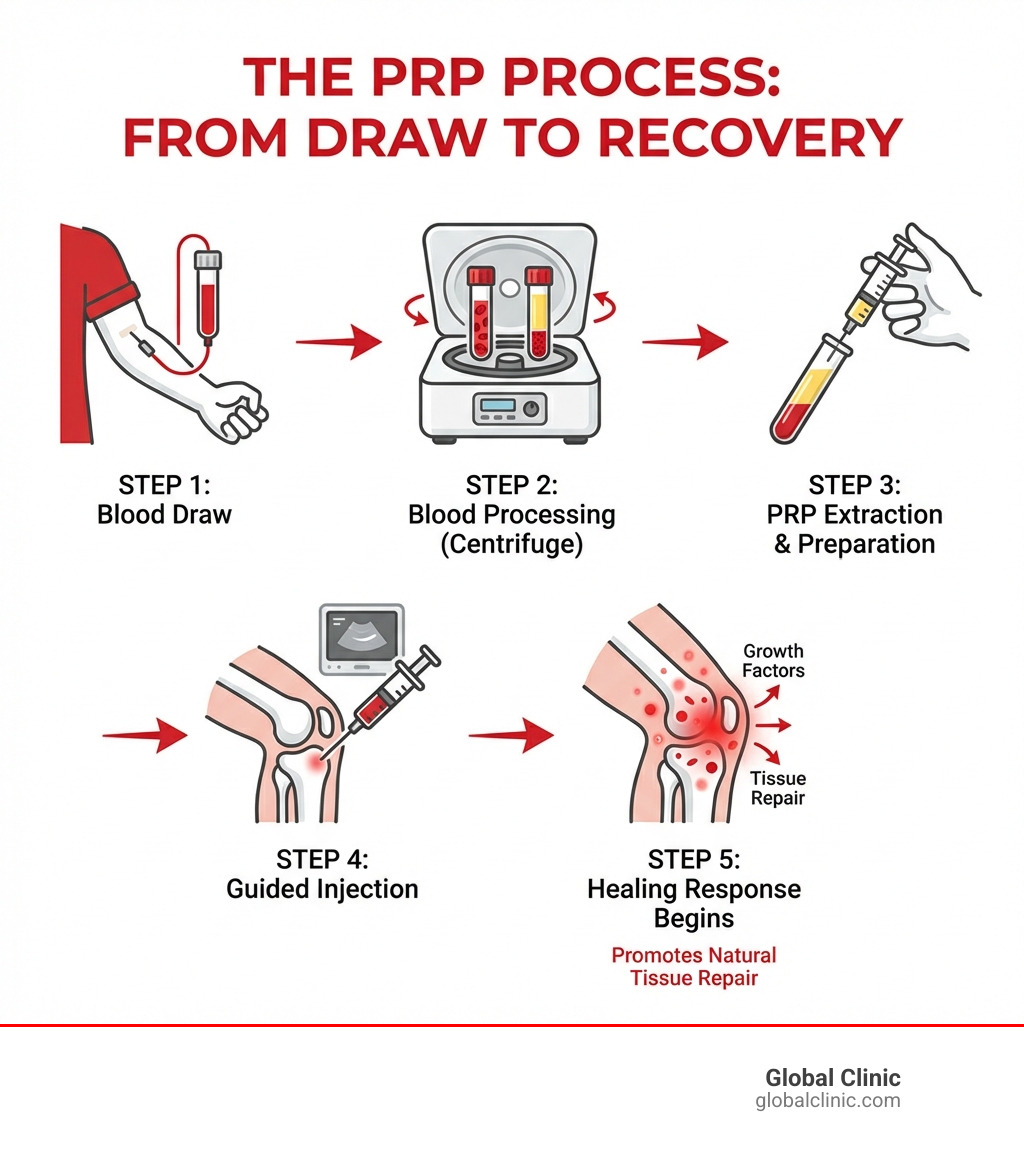
What is PRP? Platelet-rich plasma therapy uses your body’s own platelets to jumpstart healing. After drawing a small amount of your blood, medical professionals concentrate the platelets and inject them back into the injured area. These platelets contain powerful growth factors that stimulate tissue repair and reduce inflammation.
The treatment taps into your healing properties in a way that feels almost simple—because it uses what your body already makes. Studies show that PRP can reduce pain and improve function for various musculoskeletal conditions.
But here’s the thing: managing expectations matters just as much as the injection itself.
Your recovery isn’t instant. It’s a journey that requires patience and following your personalized plan. The concentrated platelets need time to work their magic, triggering your body’s natural healing cascade. During this time, how you move—or don’t move—plays a crucial role in your outcome.
If you’re considering PRP or just received your first injection, you’re probably wondering about the basics of daily life. Can you walk to your car? Should you stay off your feet completely? What about work, errands, or exercise?
These are the questions that keep patients up at night—and they’re exactly what this guide will answer. Learn more about Platelet Rich Plasma and how it works to support your recovery.
I’m Ana Vinikov, Practice Manager at Global Pain & Spine Clinic, where I’ve spent over 20 years working with patients navigating their post-PRP recovery. Every day, I help people understand how soon can i walk after prp injection based on their unique circumstances, and I’ve seen how proper post-procedure care makes all the difference in outcomes. Let’s walk through what you can expect—step by step.
Learn more about how soon can i walk after prp injection:
The First 48-72 Hours: Your Immediate Post-Injection Plan
Right after your PRP injection, your body initiates a natural healing process that starts with an inflammatory response. This is a crucial step, as the concentrated platelets release growth factors that trigger this inflammation. It’s a sign that your body is getting to work, laying the groundwork for tissue repair and regeneration.
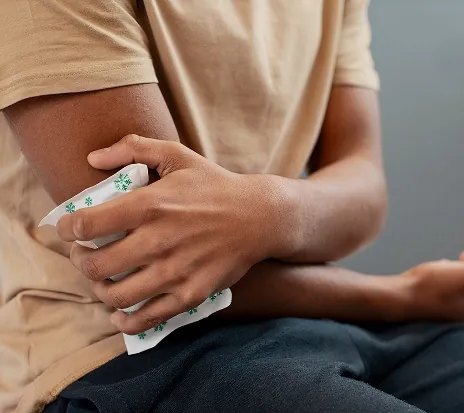
Because of this, it’s common to experience some mild soreness, stiffness, and swelling at the injection site. This discomfort is normal and actually part of the therapeutic process. You might even feel a sensation of fullness or pressure at the injection site as your body responds.
During these initial 48-72 hours, rest is paramount. We often tell our patients that this is their “healing honeymoon” – a time to let your body focus its energy on the critical first stages of recovery. While some discomfort is expected, managing it thoughtfully is key. Elevating the treated area, especially if it’s a limb, can help reduce swelling by promoting fluid drainage. Think of it as giving your body a little helping hand to keep things moving in the right direction.
The First 48-72 Hours: How Soon Can I Walk After a PRP Injection?
The burning question for many of our patients is, “Can I walk immediately after my PRP injection?” The good news is, in most cases, yes—you can walk immediately after your PRP injection. However, this comes with important caveats. We’re talking about limited walking and short distances only. Think gentle strolls around your home, not a hike through the beautiful trails of Deerfield or Lake Zurich.

It’s crucial to listen to your body. If you feel increased pain or discomfort, that’s your body’s signal to slow down or rest. The goal is to maintain some mobility without putting undue stress on the treated area. Avoid any strenuous activity that could disrupt the delicate healing process that the PRP has initiated.
For injections in weight-bearing joints like the hip, knee, ankle, or foot, your doctor might recommend using supportive aids such as crutches for a day or more. This helps take pressure off the injection site, allowing the PRP to settle and begin its work without interruption. For example, if you’ve had a PRP injection in your knee at our Chicago clinic, we might suggest crutches for the first 24-48 hours to minimize strain. This precaution ensures that the platelets can effectively trigger their healing cascade.
What to Avoid Immediately After Your Injection
Just as important as knowing what you can do is understanding what you must avoid immediately after your PRP injection. These restrictions are not arbitrary; they are designed to protect the integrity of the PRP and optimize its healing potential.
First and foremost, anti-inflammatory medications (NSAIDs) such as ibuprofen (Advil, Motrin), naproxen (Aleve), or aspirin are a big no-no for at least the first 24 hours, and often for up to two weeks. Why? Because these medications work by reducing inflammation, which is precisely what the PRP is trying to create to kickstart healing. Taking NSAIDs can interfere with the platelet activity and diminish the effectiveness of your treatment. If you need pain relief, acetaminophen (Tylenol) is generally a safer alternative, but always confirm with your doctor.
Next, strenuous exercise and heavy lifting should be strictly avoided. This includes intense cardio, weightlifting, or any activities that put significant stress on the treated area. Overloading the injured tissue too early can disrupt the healing response, prolong recovery, and reduce the overall benefit of the PRP.
Finally, avoid activities that could introduce infection or increase swelling, such as hot showers, saunas, hot tubs, and swimming for at least 24-48 hours. Keep the injection site clean and dry. Additionally, alcohol and smoking should be avoided as they can impede your body’s natural healing processes and affect overall recovery. We want to give your body the best possible environment to heal, and these substances can work against that.
How Soon Can I Walk After a PRP Injection? A Phased Timeline
Once you’ve steerd the initial 48-72 hours, your recovery journey transitions into a phased approach, where gradual progression is key. This isn’t a race, but a carefully managed process designed to maximize the regenerative effects of PRP. One of the unsung heroes of this phase is gentle movement, particularly walking. The role of walking in improving circulation is profound; it helps deliver vital nutrients and oxygen to the injury site, which is essential for tissue repair and regeneration. Improved blood flow also helps to dissipate swelling and reduce inflammation naturally.
At Global Clinic, we emphasize this controlled return to activity as a cornerstone of successful PRP recovery. It’s about empowering your body’s innate ability to heal, supported by our expert guidance. For those seeking comprehensive recovery solutions, exploring Regenerative Joint Therapy can provide additional insights into how we support long-term joint health.
Days 3-7: Introducing Light, Gentle Movement
As you move beyond the immediate post-injection period, typically from day 3 to day 7, you should notice a decrease in the initial soreness and stiffness. This is your cue to begin introducing light, gentle movement. The focus here is on low-impact activities, primarily gentle walking.
Start with short durations, perhaps 5-10 minutes at a time, on flat, even surfaces. Think of it as a warm-up for your healing tissues. This incremental physical activity is crucial because it can enhance tissue repair by stimulating blood flow and gently stressing the healing tissues in a controlled manner. It’s like telling your cells, “Hey, let’s get back to work, but let’s take it easy at first.”
If you had a PRP injection for knee pain at our Arlington Heights clinic, for example, these short, gentle walks are vital for maintaining joint mobility without overstressing the healing cartilage or ligaments. Always listen to your body; if you experience pain, it’s a sign to rest. We have more information on how to Relieve Knee Pain that can complement your PRP recovery.
Weeks 2-4: Increasing Activity and Building Strength
By weeks 2 to 4, your body is usually well into the regenerative phase. The initial inflammatory response has subsided, and the growth factors from the PRP are actively promoting cellular repair. This is an exciting time, as you can gradually increase your activity levels and begin building strength.

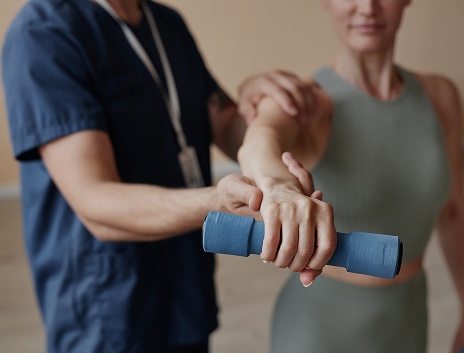
Longer walks are now typically comfortable. You might also introduce other low-impact activities like light cycling on a stationary bike or swimming, which offers excellent cardiovascular benefits without putting excessive strain on your joints. This period is also ideal for introducing gentle stretches, improving flexibility and range of motion in the treated area. For instance, if you received PRP for a shoulder injury at our Glenview location, light pendulum exercises and gentle stretches can be initiated under the guidance of a physical therapist.
This phase often benefits greatly from structured guidance. Our physical therapy teams across Northern Chicago, including locations like Schaumburg and Palatine, are experts in creating custom rehabilitation plans. For a comprehensive understanding of how physical therapy can support your recovery, refer to our Physical Therapy Chicago Complete Guide.
Week 4 and Beyond: Returning to Normal
As you enter week 4 and beyond, the full effects of your PRP treatment should become more apparent. This is when many patients experience significant improvements in pain and function. The goal now is to safely resume your normal daily activities and gradually integrate back into your full exercise routine.
The key word here is “gradual.” Even if you feel fantastic, continue monitoring for pain or discomfort. Don’t rush back into high-impact sports or heavy lifting without proper clearance from your doctor. We will work with you to create a progressive plan that allows you to return to activities like jogging, sports, or more intense workouts, ensuring your body is ready for the increased demands.
The long-term benefits of PRP, combined with a thoughtful rehabilitation plan, can lead to lasting mobility gains and a significant reduction in chronic pain. For those recovering from more extensive injuries or procedures, our insights into Post Surgery Rehabilitation offer further guidance on maximizing your long-term functional recovery.
Key Factors That Influence Your Recovery Pace
While the phased timeline provides a general roadmap, it’s crucial to remember that recovery from a PRP injection is a highly personalized journey. There’s no one-size-fits-all approach, and your experience might differ from someone else’s. At Global Clinic, we emphasize listening to your body and working closely with your healthcare provider to tailor a recovery plan that respects your unique physiology and the specific nature of your injury.
Injection Site: Knee, Hip, Shoulder, and More
Where you received the PRP injection significantly influences how soon can i walk after prp injection and your overall recovery timeline.
Weight-Bearing Joints (Knee, Hip, Ankle, Foot): Injections into these areas, such as a PRP treatment for hip pain at our Kildeer clinic, often require more caution regarding weight-bearing activities. While light walking is encouraged, initial periods of reduced weight-bearing, sometimes with crutches, are common to protect the healing tissues. For more details on managing Hip Joint Pain, you can explore our dedicated resources. Rushing activity here can put excessive stress on the regenerating tissue, potentially slowing down healing or causing setbacks.
Non-Weight-Bearing Joints (Shoulder, Elbow, Wrist): For areas like the shoulder, while walking isn’t directly impacted, movement restrictions specific to the joint will be in place. For instance, after a PRP injection for a rotator cuff injury at our Barrington location, you’d avoid lifting, pulling, or repetitive arm motions for several weeks. Our PRP for Shoulder Pain Guide provides comprehensive insights into recovery for this area.
Tendon vs. Joint Injections: The type of tissue treated also matters. Tendons, which often have poor blood supply, typically take longer to heal than muscle strains. A severe tendon injury, for example, may require a more conservative approach to resuming activity compared to a mild joint inflammation.
Your Body’s Unique Healing Response
Beyond the injection site, your individual healing response is perhaps the most critical factor. We are all wonderfully unique, and our bodies heal at different rates. Several elements play into this:
- Age: Generally, younger individuals tend to heal faster than older individuals. This is partly because aging affects cellular functions at the molecular level, which can extend recovery periods. However, with personalized care, excellent outcomes are achievable at any age.
- Overall Health: Chronic conditions like diabetes, autoimmune disorders, or nutritional deficiencies can impact your body’s ability to heal effectively. A healthy immune system and good metabolic health are major assets in recovery.
- Severity of Injury: A mild muscle strain will naturally recover more swiftly than a severe ligament tear. The extent of the tissue damage directly correlates with the time needed for regeneration.
- Lifestyle Factors: Smoking and excessive alcohol consumption are known to hinder healing. Conversely, a healthy lifestyle, including adequate sleep and stress management, can significantly support your body’s regenerative efforts.
- Nutrition and Hydration: Your body needs the right building blocks to repair tissue. A diet rich in protein, vitamins (especially C and E), and antioxidants, along with ample hydration, provides essential support for the healing process.
Understanding these individual factors allows our team at Global Clinic, serving communities from Crystal Lake to Schaumburg, to develop a truly personalized recovery plan that optimizes your path back to full function.
When to Be Cautious and When to Call Your Doctor
While mild discomfort is a normal part of the PRP recovery process, know the difference between expected soreness and potential complications. At Global Clinic, we empower our patients with knowledge so they can actively participate in their healing journey. Following your personalized plan carefully and maintaining open communication with our team are your best defenses against setbacks.
We understand that post-injection, you might feel a mix of hope and a little anxiety. “Is this pain normal?” is a common question. Generally, the pain, swelling, and stiffness you experience in the first few days are part of the inflammatory response and should gradually subside. However, there are specific warning signs that indicate you should contact your doctor without delay.
Warning Signs to Watch For
It’s better to be safe than sorry. Contact our office immediately if you experience any of the following:
- Severe or Worsening Pain: While some pain is expected, if it becomes excruciating, doesn’t improve with rest and acetaminophen, or worsens significantly after the initial 72 hours, it’s a red flag.
- Excessive Swelling or Redness: Beyond the mild swelling typical for the first few days, if the area becomes very swollen, hot to the touch, or the redness spreads, it could indicate an infection or other issue.
- Fever or Signs of Infection: A fever (oral temperature above 100.4°F or 38°C), chills, or feeling generally unwell are serious symptoms that require immediate medical attention.
- Drainage from Injection Site: Any pus, foul-smelling discharge, or excessive fluid leaking from the injection site is a clear sign of a potential infection.
- Numbness, Tingling, or Weakness: While rare, if you experience new or increased numbness, tingling, or weakness in the limb or area near the injection, contact us immediately.
Our team at Global Clinic is here to support you every step of the way, whether you’re in Addison, Elmhurst, or any of our Northern Chicago locations. Never hesitate to reach out if you have concerns.
The Role of a Pain Management Specialist
At Global Clinic, our pain management specialists play a central role in guiding your recovery after a PRP injection. We don’t just administer the injection; we partner with you through the entire healing process.
Our expertise allows us to:
- Provide a Personalized Recovery Plan: Based on your specific injury, health status, and lifestyle, we develop a custom plan for activity, including how soon can i walk after prp injection, exercises, and medication management.
- Conduct Essential Follow-Up Appointments: These appointments are crucial for monitoring your progress, assessing the healing of the treated area, and making any necessary adjustments to your activity levels or rehabilitation exercises.
- Adjust Your Activity Levels: We’ll help you understand when it’s safe to progress from gentle walking to more moderate activities, and eventually, to your pre-injury routine. This careful progression minimizes the risk of re-injury and optimizes long-term outcomes.
Choosing an experienced pain management team, like ours at Global Clinic, ensures you receive comprehensive, innovative care. Learn more about how we can help you manage your journey by visiting our Pain Management Clinics page. We’re dedicated to helping our patients across Northern Chicago achieve lasting relief and improved function.
Frequently Asked Questions about PRP Recovery
We know that undergoing any medical procedure, even one as minimally invasive as PRP, comes with questions. Here are some of the most common inquiries we receive from our patients regarding their PRP recovery.
How long does it take to feel the full benefits of PRP?
This is a great question, and it’s important to set realistic expectations. PRP therapy is not an instant fix; it’s a gradual process that harnesses your body’s natural healing mechanisms. While some patients might notice subtle improvements in pain or function within a few weeks, the full benefits typically emerge over several weeks to months.
The tissue regeneration timeline involves several stages:
- Initial Inflammation (Days 1-7): This is where the PRP triggers the healing cascade. You might experience some discomfort.
- Proliferation (Weeks 2-6): New cells begin to form, and tissue repair actively starts. This is when you might feel the first noticeable improvements.
- Remodeling (Months 1-6+): The new tissue matures and strengthens. This is where the long-term benefits of reduced pain and improved function become most apparent.
Patience is key. Think of it like planting a seed – you don’t see the full bloom overnight. Consistent adherence to your post-injection care plan and rehabilitation exercises will optimize your results.
Can I use crutches after a PRP injection?
Yes, absolutely. For PRP injections in weight-bearing joints like the knee, hip, ankle, or foot, using crutches is often recommended. This helps to reduce weight-bearing on the treated area, preventing undue stress and allowing the PRP to initiate healing without disruption.
Typically, crutches might be advised for the first 1-3 days, or until you can walk without increased pain. Your doctor will provide specific recommendations based on the injection site and the severity of your condition. For example, if you had a PRP injection for a torn meniscus at our Schaumburg facility, we would likely recommend crutches to protect the joint during the initial healing phase. It’s all about providing the optimal environment for your body to heal.
So, How Soon Can I Walk After a PRP Injection, Really?
Let’s cut to the chase and summarize the answer to this core question:
Most patients can walk immediately after a PRP injection, but with significant limitations. It’s crucial to differentiate between “can walk” and “can return to normal activity.”
- Immediately after the injection (First 24-48 hours): Expect minimal, limited walking for short distances. The emphasis is on rest and protecting the injection site. For lower limb injections, crutches may be necessary to reduce weight-bearing.
- Days 3-7: Light, gentle walking for short durations (5-10 minutes) on flat surfaces is generally encouraged to promote circulation, provided there’s no increased pain.
- Weeks 2-4: As discomfort subsides, you can gradually increase walking duration and intensity, and introduce other low-impact activities like cycling or swimming.
- Week 4 and Beyond: With your doctor’s clearance, you can progressively return to normal daily activities and eventually more strenuous exercise.
The exact timeline for how soon can i walk after prp injection is highly individualized. It depends on the specific injection site (e.g., knee versus shoulder), the nature and severity of your injury, and your body’s unique healing response. Always follow your provider’s specific advice and listen to your body’s signals. If it hurts, take it easy!
Conclusion: Partnering in Your Path to Recovery
Navigating the period after a PRP injection requires a thoughtful, patient approach. While the initial thought of “how soon can I walk after prp injection” is natural, understanding that your recovery is a phased journey—from immediate rest to gradual reintroduction of activity—is crucial for optimal results. We’ve seen at Global Clinic how adherence to post-injection guidelines, combined with personalized care, truly empowers our patients to achieve lasting relief and improved function.
Your body has an incredible capacity to heal, and PRP therapy is a powerful way to harness that innate ability. By partnering with our experienced team, you’re not just getting an injection; you’re gaining a comprehensive support system dedicated to your well-being. We believe in empowering our patients with the knowledge and tools they need to make informed decisions and actively participate in their recovery.
Whether you’re in Chicago, Palatine, Glenview, or any of our Northern Chicago locations, our commitment to innovative, personalized care in a state-of-the-art facility ensures you receive the best possible treatment. If you’re considering PRP therapy or have questions about your recovery, we encourage you to reach out.
Take the next step towards a more active, pain-free life. Request an appointment for PRP Injections with us today, and let’s work together on your path to recovery.