






Understanding the Reality of Chronic Regional Pain
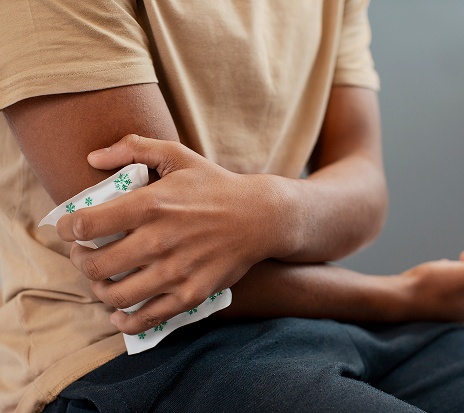
Chronic regional pain is a serious condition that can dramatically affect daily life. Most commonly known as Complex Regional Pain Syndrome (CRPS), it causes severe, persistent pain in a limb that is far worse than the original injury would suggest. The pain is often described as an intense burning, accompanied by swelling, skin changes, and extreme sensitivity.
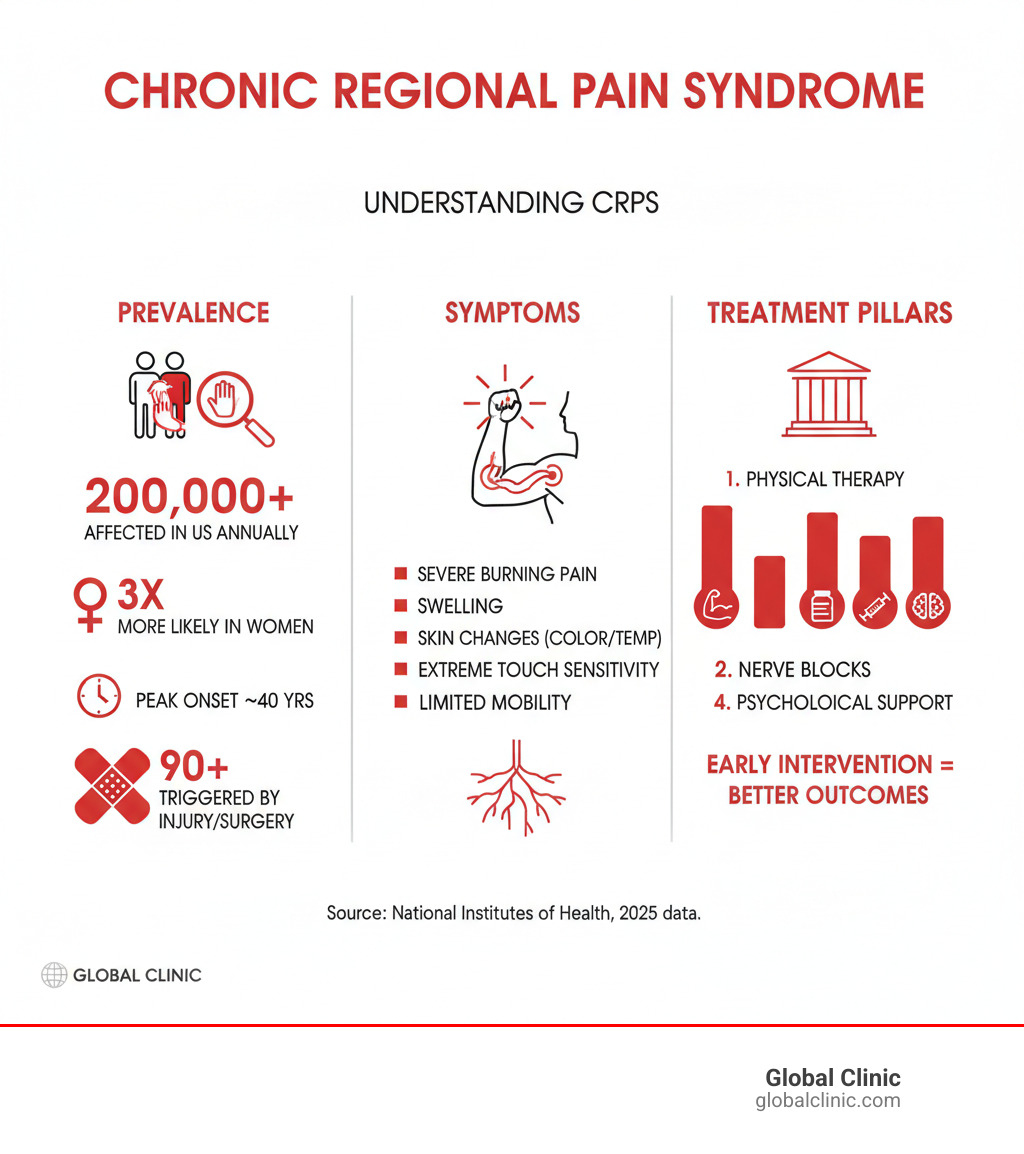
CRPS is a neurological disorder where the nervous system gets stuck in overdrive, sending continuous pain signals long after an injury has healed. It affects about 200,000 people in the U.S. annually, is three times more common in women, and is triggered by an injury in over 90% of cases. This condition can lead to changes in skin color and temperature, muscle weakness, and even bone changes if left untreated.
The good news is that with early diagnosis and comprehensive treatment, many people find significant relief. A combination of physical therapy, medications, nerve blocks, and psychological support is key. The sooner symptoms are addressed, the better the chances of recovery.
As Ana Vinikov, Practice Manager at Global Clinic, I’ve spent over 20 years helping patients with chronic regional pain find lasting relief. Our multidisciplinary team provides personalized care that addresses both the physical and emotional toll of this condition.
Common Chronic regional pain vocab:
Understanding Complex Regional Pain Syndrome (CRPS)
Chronic regional pain often manifests as Complex Regional Pain Syndrome (CRPS), a puzzling condition affecting a limb with pain that’s wildly out of proportion to the initial injury. Imagine a simple sprain leading to months of debilitating, burning pain—that’s the reality for many with CRPS.
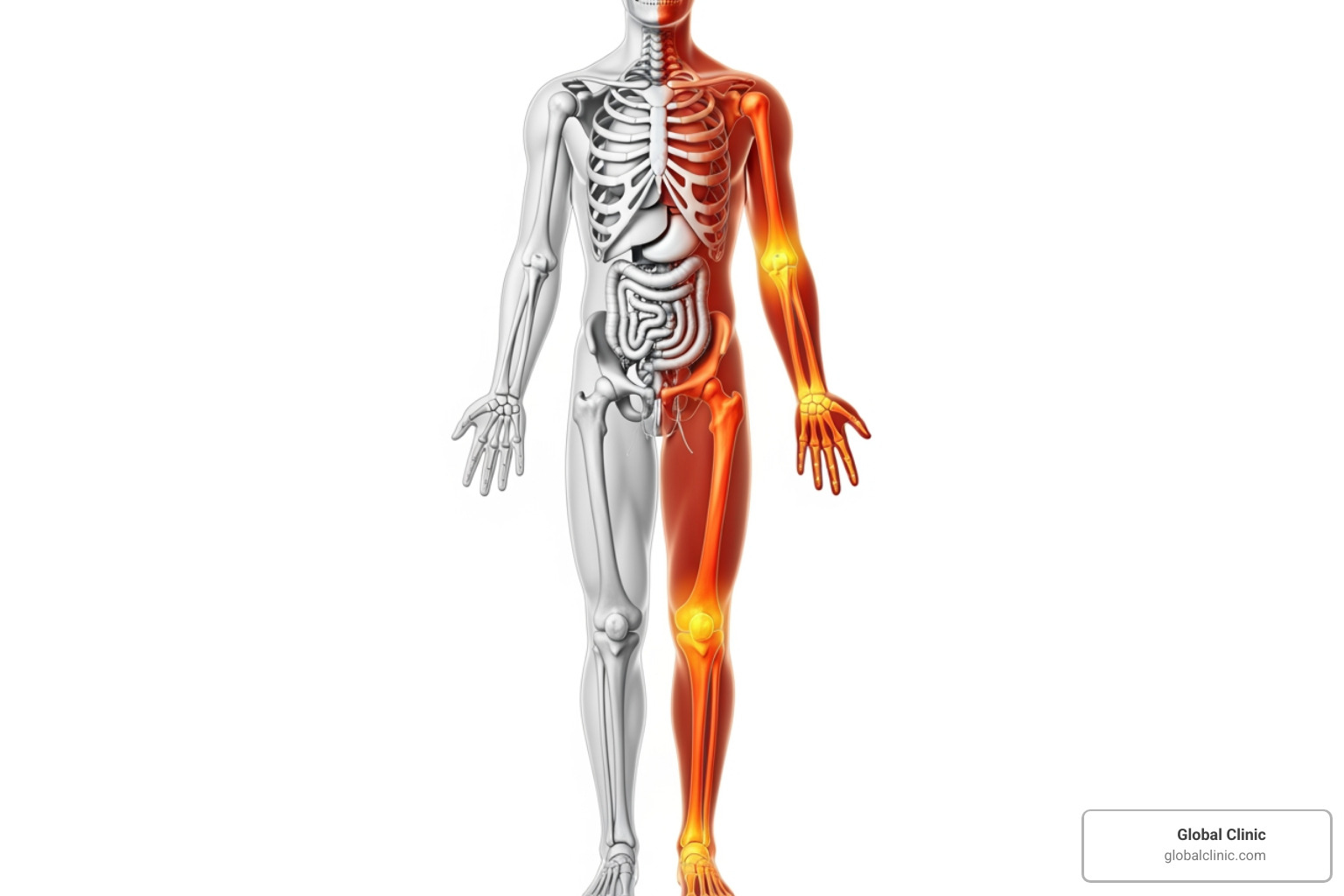
CRPS is a chronic neuro-inflammatory disorder where your body’s pain signals get stuck in overdrive. It involves both the central nervous system (brain and spinal cord) and the peripheral nervous system (nerves throughout your body). Your nervous system essentially misfires, sending continuous alarm bells even after the initial injury has healed. For more detailed medical information, the Complex Regional Pain Syndrome Fact Sheet from the National Institute of Neurological Disorders and Stroke offers excellent insights.
What is CRPS?
Older terms like Reflex Sympathetic Dystrophy (RSD) or Causalgia refer to what we now call CRPS. The condition is defined by severe, persistent pain triggered by an injury that far outlasts a normal healing process. The exact cause is mysterious, but it’s believed to involve an abnormal interaction between the central and peripheral nervous systems, combined with a haywire inflammatory response.
Types and Stages of CRPS
CRPS is classified into two types based on whether a nerve injury is confirmed:
| Feature | CRPS Type 1 (formerly RSD) | CRPS Type 2 (formerly Causalgia) |
|---|---|---|
| Nerve Damage | Occurs after an illness or injury without direct nerve damage | Occurs after a distinct, confirmed nerve injury |
| Prevalence | Accounts for the majority of CRPS cases (about 90%) | Less common than Type 1 |
| Trigger | Fractures, sprains, surgery, heart attack, stroke, immobilization | Direct trauma to a specific nerve, such as a deep cut or crush injury |
| Pain Severity | Intense, burning, throbbing pain, often disproportionate to initial injury | Often considered to have a higher McGill pain scale score (47 out of 50) |
CRPS Type 1 occurs without obvious nerve damage and accounts for about 90% of cases. CRPS Type 2 follows a distinct, confirmed nerve injury and often involves more intense pain.
The condition can also progress through phases. The acute phase (“warm CRPS”) may involve a warmer, red limb with burning pain and swelling. As it progresses to the chronic phase (“cold CRPS”), the limb may become cooler, bluish, and stiff, with changes in skin texture, hair, and nails. Muscle weakness and contractures (fixed joints) can also develop.
Common Symptoms of Chronic Regional Pain
The symptoms of chronic regional pain extend far beyond simple discomfort. The hallmark is an intense burning or throbbing pain that feels relentless and disproportionate to the initial injury.
Other common symptoms include:
- Allodynia: Excruciating pain from a light touch, like clothing brushing against the skin.
- Hyperalgesia: An exaggerated pain response to a mildly painful stimulus.
- Swelling and stiffness: Often developing in the affected limb, limiting joint movement.
- Skin color and temperature changes: The area may look blotchy, red, purple, or pale, and feel significantly warmer or cooler than the rest of the body.
- Abnormal sweating, hair, and nail growth: Sweating patterns can change, and hair and nails may grow erratically or change in texture.
- Muscle weakness or spasms: Involuntary muscle contractions, tremors, or weakness can make it difficult to use the limb.
- Bone and skin texture changes: Over time, X-rays may show bone thinning (osteoporosis), and the skin can become shiny, thin, or atrophied.
Causes and Diagnosis of Chronic Regional Pain
The cause of chronic regional pain like CRPS is still being researched, but most cases start with physical trauma. It’s not the severity of the injury that matters, but how the nervous system responds.
In over 90% of cases, CRPS follows an injury or medical event. Common triggers include fractures (especially wrist fractures), sprains, surgery, burns, or even deep bruising. Immobilization in a cast can also increase risk. In about 10% of cases, no clear injury is reported. Certain factors increase vulnerability, including being female (3x more likely), being of European ancestry, and having a peak onset around age 40. Health conditions like poorly managed diabetes or smoking can also hinder nerve healing. Proper rehabilitation after an injury is crucial for recovery and prevention, as detailed in the benefits of physical therapy after a car accident.
How is Chronic Regional Pain Diagnosed?
Frustratingly, there is no single test to definitively diagnose chronic regional pain. Diagnosis requires careful work by a physician experienced in complex pain. The process involves:
- Medical History and Physical Exam: A detailed review of your history and a physical examination looking for telltale signs like changes in skin color and temperature, swelling, tenderness, and abnormal hair or nail growth. We also test for allodynia (pain from light touch) and hyperalgesia (severe pain from a mild stimulus).
- Ruling Out Other Conditions: Because CRPS symptoms can mimic other issues, diagnostic imaging is used. X-rays may show bone thinning, while triple-phase bone scans can reveal characteristic changes. MRI scans can help visualize nerve and tissue abnormalities.
- Nerve Function Tests: Nerve conduction studies (NCS) and electromyography (EMG) measure nerve and muscle function. They are typically normal in CRPS Type 1 but show specific damage in Type 2.
- Diagnostic Sympathetic Blocks: Injecting an anesthetic near certain nerves to see if pain temporarily improves can be another piece of the diagnostic puzzle.
We follow The Budapest Criteria for CRPS diagnosis, the gold standard for an accurate diagnosis. Early diagnosis is critical for improving recovery chances.
The Impact on Daily Life and Mental Health
Living with chronic regional pain fundamentally changes your life. Simple tasks like buttoning a shirt or holding a cup can become nearly impossible, leading to a loss of independence. The functional limitations can be devastating, affecting work, hobbies, and social life.
This has a profound effect on mental health. The emotional toll of chronic pain is significant. Many patients experience anxiety, depression, and social isolation. For those whose CRPS followed a traumatic event, post-traumatic stress disorder (PTSD) can add another layer of challenge.
It’s vital to understand that CRPS is a neurological condition, not a mental illness. The psychological impact is a direct consequence of the physical condition and must be treated. At Global Clinic, we believe treating the whole person—body and mind—is essential for reclaiming your life.
Comprehensive Treatment Approaches for CRPS
There is no single magic bullet for chronic regional pain like CRPS, but there is hope through a comprehensive, multidisciplinary approach. At Global Clinic, our goal is to reduce pain, restore function, and improve your quality of life. Early intervention is key.

Effective treatment requires addressing both the physical and emotional aspects of the condition. To learn more about how specialized clinics operate, see what are pain management clinics.
The Cornerstone: Rehabilitation and Therapy
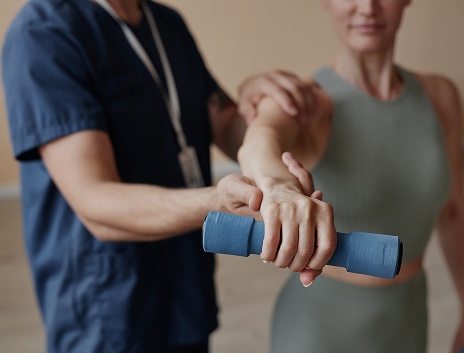
Rehabilitation is the most important component of CRPS recovery. Keeping the affected limb moving is vital to prevent muscle weakening, joint stiffness, and worsening symptoms. Our therapists specialize in CRPS and guide patients toward progress without triggering pain flares.
- Physical and Occupational Therapy: PT focuses on gradually restoring strength and range of motion. OT helps you regain the ability to perform daily tasks, adapting activities and using assistive devices when needed.
- Graded Motor Imagery (GMI): This “brain retraining” technique uses mental exercises and mirror therapy to help normalize the brain’s pain response.
- Desensitization and Range-of-Motion: We use techniques to gradually re-introduce touch to hypersensitive skin and exercises to keep joints mobile. These therapies form the foundation of recovery, similar to the principles used when addressing back pain with physical therapy.
Medical Interventions for Pain Management
When pain is too intense for therapy, medical interventions can help break the cycle.
- Medications: We may use NSAIDs, certain antidepressants and anti-seizure medications (like gabapentin) for nerve pain, bisphosphonates for bone changes, corticosteroids for inflammation, or topical analgesics for localized relief.
- Nerve Blocks: Injections of local anesthetic near sympathetic nerves can temporarily block pain signals, providing a window for more effective physical therapy.
- Advanced Stimulation: For persistent pain, spinal cord stimulation (SCS) or the more targeted dorsal root ganglion (DRG) stimulation uses a small implanted device to interrupt pain signals. Peripheral nerve stimulation places leads near specific nerves to block pain.
- Ketamine Infusions: Administered intravenously, ketamine can “reset” pain signals in the brain, with about a third of patients experiencing lasting relief.
Another advanced technique for certain types of chronic pain is Radiofrequency Ablation (RFA): The Newest Pain Control Method.
Complementary and Alternative Therapies
These therapies support your overall care plan by managing stress and improving well-being.
- Psychotherapy: Cognitive behavioral therapy (CBT) provides coping strategies for living with chronic pain.
- Biofeedback: Teaches you to control bodily functions like muscle tension to reduce pain.
- Acupuncture and Chiropractic Care: Acupuncture may stimulate natural pain relief, while chiropractic care can improve alignment and reduce related musculoskeletal pain.
- Relaxation Techniques: Meditation, deep breathing, and mindfulness help calm the nervous system and reduce stress-induced pain flares.
Living with CRPS: Outlook, Prevention, and Research
Living with chronic regional pain requires adaptation and commitment to a treatment plan. While CRPS can feel overwhelming, many people improve significantly, and some achieve complete remission.

The long-term outlook for CRPS varies. Younger patients and those who receive early, comprehensive treatment tend to have better outcomes. However, the condition can be unpredictable, with recurrence rates between 10% and 30%. Most people will see gradual improvement in pain and disability with consistent treatment and self-management. At Global Clinic, our focus is on helping you develop effective coping strategies and reclaim as much of your normal life as possible.
Can CRPS Be Prevented?
While there’s no guaranteed prevention, several strategies can significantly reduce your risk after an injury or surgery:
- Early Mobilization: Moving the affected limb as soon as medically safe helps prevent the nervous system from getting “stuck” in a pain pattern.
- Vitamin C Supplementation: Research shows taking vitamin C after a wrist fracture can reduce the risk of developing CRPS.
- Proper Cast Fitting: Ensure a cast is not too tight, as excessive pressure can contribute to nerve complications.
- Healthy Lifestyle Choices: Quitting smoking is crucial, as it interferes with nerve regeneration. Managing underlying conditions like diabetes is also essential for proper healing.
Latest Research and Future Directions
The field of chronic regional pain research is advancing rapidly, offering genuine reason for optimism. Initiatives like The NIH HEAL Initiative® for pain research are funding work to find better, non-addictive pain management strategies.
Promising research areas include:
- Neuroplasticity: Studying how the brain reorganizes itself in response to CRPS to develop better “brain retraining” therapies.
- Immunology: Investigating the role of abnormal immune responses and inflammation, which could lead to targeted anti-inflammatory treatments.
- Genetics: Identifying genetic risk factors to predict who is most susceptible.
- New Treatments: Developing new drug targets, refining the use of ketamine, and exploring non-invasive options like Transcranial Magnetic Stimulation (TMS).
- Gut-Brain Connection: Exploring how gut bacteria influence inflammation and the nervous system.
At Global Clinic, we stay current with the latest evidence-based treatments, including innovative options like NAD infusion therapy, which may support cellular health as part of a comprehensive plan.
Frequently Asked Questions about CRPS
Is CRPS a psychological or physical condition?
Chronic regional pain (CRPS) is a physical, neurological condition, not a mental illness. It involves measurable changes in your nervous system, blood flow, and inflammatory response. However, living with severe, chronic pain often leads to psychological distress like depression and anxiety. These are a consequence of the physical condition, not the cause, and treating this emotional toll is a critical part of a comprehensive care plan.
Can CRPS spread to other parts of the body?
Yes, in about 7% of patients, chronic regional pain symptoms can spread from the original site. This can involve the opposite limb (“mirror pain”) or other regions of the body. This is a key reason why early and aggressive treatment is so important—to contain the condition and prevent it from progressing.
What is the long-term outlook for someone with CRPS?
The outlook for chronic regional pain varies. Many people, especially younger patients who receive early, multidisciplinary treatment, experience significant improvement or even complete remission. However, for some, CRPS can become a long-lasting condition requiring ongoing management. Factors like smoking or poorly managed diabetes can make recovery more difficult. A positive outcome is most likely with early intervention and a consistent, comprehensive treatment approach.
Take Control of Your Pain Journey
Living with chronic regional pain is a challenge you shouldn’t face alone. CRPS is complex, but early diagnosis and a personalized, comprehensive treatment plan are key to managing symptoms and reclaiming your quality of life.
At Global Clinic, we have spent over 20 years helping patients in Northern Chicago find relief from challenging pain conditions. We understand that chronic regional pain impacts your entire life, which is why our multidisciplinary approach combines physical therapy, advanced medical interventions, and psychological support under one roof.
The field of pain management is advancing rapidly, offering new hope and better treatments. Our team is committed to empowering you with every tool available, from proven therapies to cutting-edge regenerative treatments. One such innovative approach is NAD Therapy, which may help support cellular health and reduce inflammation as part of a comprehensive strategy.
You deserve a care team that listens and works tirelessly to help you feel better. Whether you’re newly diagnosed or have been struggling for years, we’re here to help you take the next step toward relief and a return to the activities you love.