What You Need to Know About Post-Surgery Rehabilitation
Post surgery rehabilitation is a structured program designed to help you regain strength, mobility, and function after a surgical procedure. It involves managing pain, restoring range of motion, rebuilding strength, and preventing complications like blood clots and joint stiffness so you can return to your normal life.
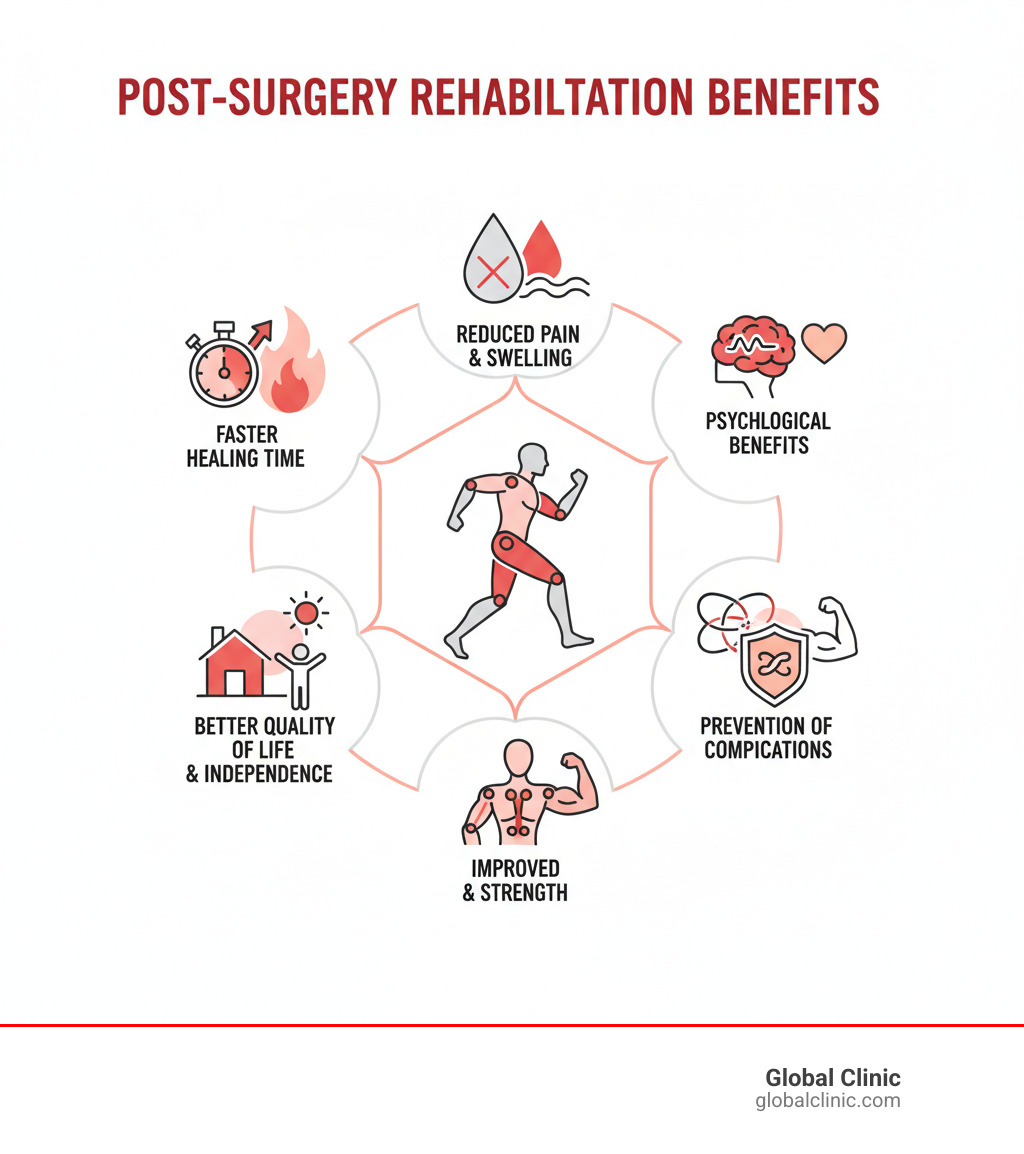
Why it matters: Research shows that 30-80% of individuals experience postoperative pain. A proper rehabilitation program addresses this pain, accelerates healing, and helps you return to the activities you love. The right approach makes the difference between a slow recovery and getting back on your feet quickly and safely.
Your body needs time and guidance to heal properly after surgery. Without it, you risk prolonged pain, reduced mobility, and preventable complications.
As Ana Vinikov, Practice Manager at Global Clinic with over 20 years of experience, I’ve seen how Post surgery rehabilitation transforms recovery for patients throughout Northern Chicago. Our team creates personalized rehabilitation plans that address your unique needs and help you achieve lasting results.
Important Post surgery rehabilitation terms:
Why Post-Surgery Rehabilitation is Essential for a Full Recovery
Surgery takes a toll on your body. Tissues are cut, muscles are disrupted, and your body needs help to rebuild correctly. Post surgery rehabilitation provides the instruction manual for proper healing.
One of its most critical roles is preventing complications. Immobility after surgery makes you vulnerable to blood clots, muscle atrophy (which begins within days), and joint stiffness as scar tissue forms. A structured rehab program actively works against these risks with smart, gradual, and safe movements.
Beyond avoiding problems, rehabilitation is about restoring function. Simple activities like dressing or climbing stairs can feel impossible post-surgery. Our programs focus on rebuilding the specific movements and strength you need to reclaim your independence. This includes pain management, a cornerstone of effective rehab. Rather than just enduring postoperative pain, we use therapeutic exercises and manual therapy to reduce discomfort while promoting healing. Our approach to effective pain management allows you to participate actively in your recovery.
Rehabilitation also offers significant psychological benefits, providing structure, visible progress, and a supportive team to boost your confidence and combat the isolation that can accompany recovery.
The Goals of a Structured Rehabilitation Program
A personalized rehab program at Global Clinic has specific, compounding objectives. We aim for accelerated healing by promoting blood flow and applying controlled stress to healing tissues. A top priority is restoring range of motion with gentle, progressive exercises to prevent permanent stiffness. Once tissues are ready, we focus on rebuilding strength to support the surgical site and make you more resilient. We also improve balance and coordination to reduce fall risk and help you move confidently. Finally, we use manual therapy to reduce scar tissue and provide education on proper body mechanics to prevent re-injury. Our PT and OT services are designed to help you achieve these goals.
Common Surgeries That Benefit from Rehabilitation
While nearly all surgeries benefit from rehab, it is essential for certain procedures. We see dramatic improvements in patients recovering from:
- Orthopedic surgery: This includes joint replacement (knee or hip), ACL reconstruction, and rotator cuff repair. If you’re wondering how to relieve knee pain after surgery, a solid rehab program is the answer.
- Spinal surgery: Careful rehabilitation is required to stabilize the spine and strengthen core muscles. We specialize in addressing back pain with physical therapy post-operatively.
- Cardiac and Neurological surgery: Rehab helps rebuild cardiovascular endurance and improve motor skills, balance, and coordination.
- Abdominal and pelvic surgery: Targeted core strengthening and specialized pelvic floor physical therapy can support healing, reduce scar tissue, and alleviate discomfort.
No matter the surgery, a personalized plan is key to restoring your quality of life.
The Four Key Stages of Your Recovery Journey
Post surgery rehabilitation is a journey taken in carefully planned stages. Your recovery timeline is unique, depending on your surgery, age, and overall health. Some patients progress in weeks, while others may need months. What matters is a personalized plan that adapts as you heal.
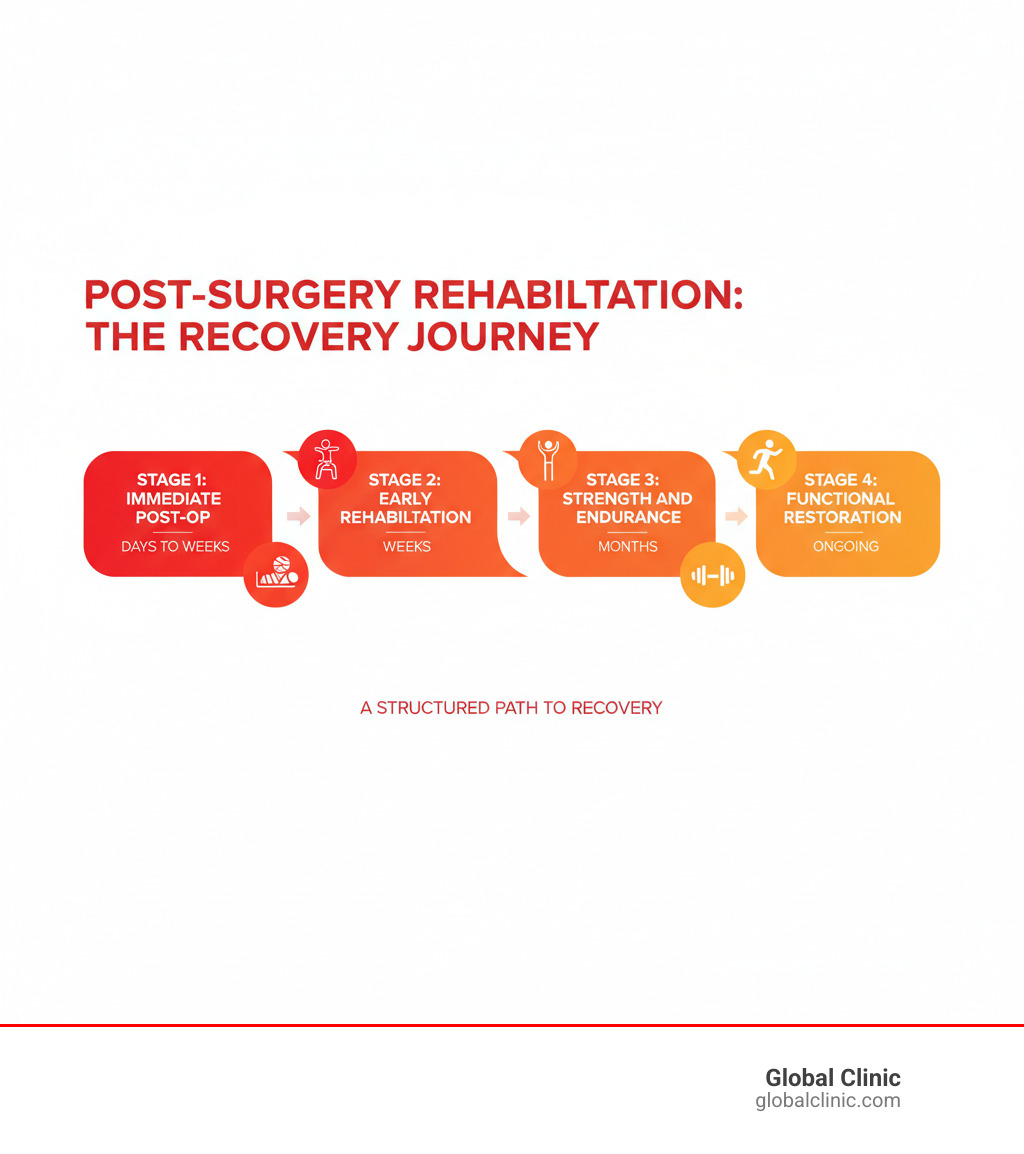
At Global Clinic, we design your program around your specific needs, using rehabilitation guidelines after surgery as a framework while your individual experience guides the details. Here are the four key stages.
Stage 1: The Immediate Post-Operative Phase (First 1-2 Weeks)
This initial phase focuses on managing the immediate aftermath of surgery. The primary goals are controlling pain and swelling, ensuring proper wound care to prevent infection, and preventing complications like blood clots. We introduce early mobilization through simple, approved activities like ankle pumps and breathing exercises. You may also learn to use assistive devices like crutches or walkers to move safely. This phase feels slow but lays a crucial foundation for your recovery.
Stage 2: The Early Rehabilitation Phase (Weeks 2-6)
As initial pain subsides, the focus shifts to movement. From week two to six, the goal is to restore mobility and gradually increase your range of motion without stressing healing tissues. We introduce gentle strengthening exercises, like isometric movements, to re-engage your muscles. Activities include passive range of motion (where a therapist moves your joint), light stretching, and soft tissue mobilization to address tightness. For some, water physical therapy near me is an excellent option, as the water’s buoyancy reduces joint stress.
Stage 3: The Strength and Endurance Phase (Weeks 6-12)
Around week six, your tissues are resilient enough for more challenging work. The focus now is on rebuilding muscle strength and improving endurance for daily activities. We also work on enhancing balance and coordination to reduce fall risk. Your exercises become more demanding, including active strengthening with resistance bands or light weights, resistance training to build muscle, and proprioceptive exercises (like balancing on one leg) to retrain your nervous system. As noted by experts, physical therapy can significantly improve muscle function, increase strength, flexibility, and endurance during this phase.
Stage 4: The Functional Restoration Phase (3+ Months)
This final phase, beginning around three months post-op, prepares you for a full return to normal activities, including work, hobbies, and sports. For athletes, we incorporate sport-specific training that mimics the movements of their sport. A major focus is injury prevention through proper body mechanics and continued strength building. Activities may include agility drills, plyometrics (jumping exercises, if appropriate), and simulating daily tasks specific to your life. For long-term health, strategies like gentle exercise for seniors to stay active and healthy can be adapted for all ages. By the end, you should feel confident and ready to return to the life you love.
Your Multidisciplinary Rehab Team and Modern Therapies
Effective Post surgery rehabilitation requires a collaborative team of healthcare professionals. At Global Clinic, our team-based approach ensures all aspects of your recovery are addressed.
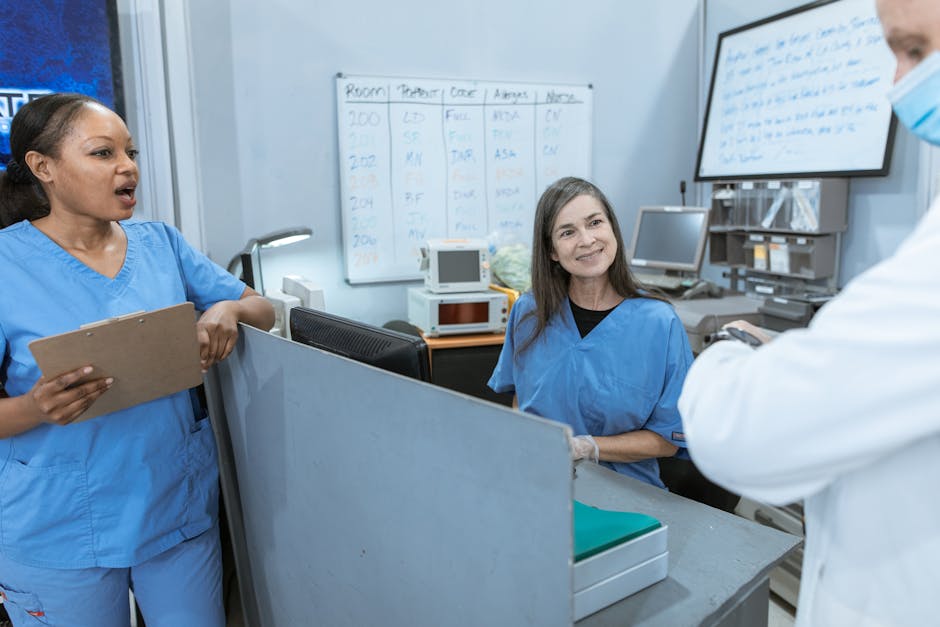
Your team communicates regularly to discuss your progress and adjust your care plan, with you as a central part of the conversation. This ensures a seamless and responsive recovery journey.
The Role of Physical Therapy in Post-Surgery Rehabilitation
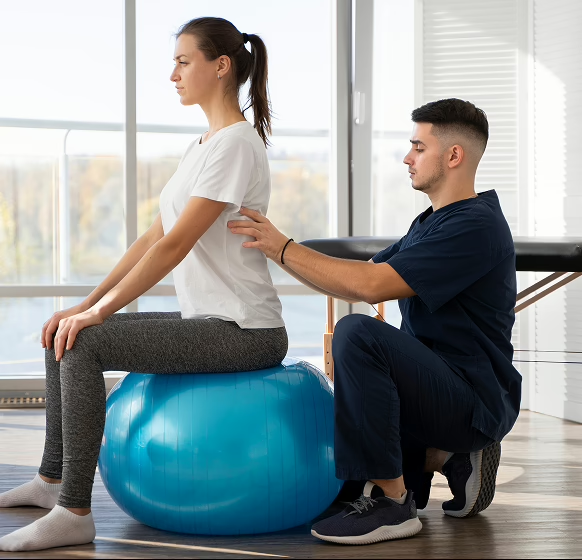
Physical therapy is the cornerstone of recovery. Our physical therapists create personalized exercise programs to restore mobility and function. They use hands-on manual therapy techniques like massage and joint mobilization to reduce pain and break up scar tissue. For pain management, we use therapeutic movement and modalities like heat and cold therapy or electrical stimulation. For certain conditions, we may incorporate dry needling to release muscle trigger points. As you progress, strength training and functional training prepare you for real-life activities, while education on body mechanics empowers you to prevent future injuries.
The Contribution of Other Healthcare Professionals
- Occupational therapists help you regain independence in daily living skills, such as dressing, bathing, and preparing meals, introducing adaptive strategies and equipment when needed.
- Nutritionists guide you on a diet that supports tissue repair and reduces inflammation, ensuring your body has the fuel it needs to heal.
- Psychologists address the mental and emotional challenges of recovery, providing coping strategies to manage anxiety and maintain motivation.
Technology and Advanced Therapies in Post-Surgery Rehabilitation
We combine proven hands-on care with innovative technology to optimize your healing. Wearable devices can provide real-time data to track your progress objectively. Tele-rehabilitation offers remote guidance for continuity of care when you can’t make it to the clinic. We also offer cutting-edge regenerative medicine techniques that harness your body’s natural healing abilities. These include PRP injections, which use concentrated growth factors from your own blood, and joint injection therapy for targeted pain relief. These advanced therapies are integrated into your plan when they offer a clear benefit for your recovery.
Navigating Challenges and Ensuring a Successful Recovery
Recovery is rarely a straight line. You may experience pain flare-ups, muscle weakness, or emotional challenges like frustration and anxiety. These are normal parts of the process. At Global Clinic, we help you steer these problems by setting realistic goals and celebrating each small victory.
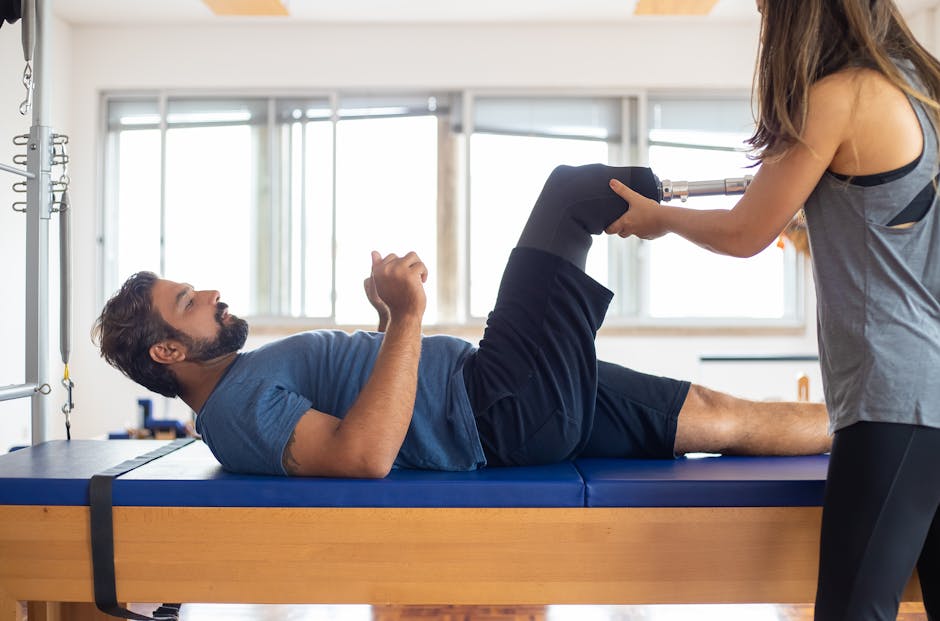
Your active participation is key to a great recovery. Here are five essential tips we share with our patients.
5 Key Tips for Patients
- Stay Consistent: Adhering to your therapy plan and home exercises is your roadmap to recovery. Consistency builds momentum and delivers results.
- Communicate Openly: Tell your care team about any pain, concerns, or worries. Open dialogue allows us to adjust your plan for maximum safety and effectiveness.
- Fuel Your Body: A balanced diet rich in protein, vitamins, and minerals gives your body the materials it needs to repair itself. Stay hydrated.
- Prioritize Rest: Your body repairs and rebuilds tissues during sleep and rest. Pushing too hard can lead to setbacks. Balance activity with adequate rest.
- Stay Positive: Acknowledge small victories to stay motivated. Lean on your support system, including our team at Global Clinic. Your mindset matters.
Long-Term Goals for Post-Surgery Rehabilitation
Post surgery rehabilitation provides a foundation for your long-term health. The goal is not just to recover, but to build a healthier future. This involves:
- Maintaining function and independence through continued good habits.
- Preventing future complications and re-injury by understanding your body’s limits.
- Lifestyle modifications, such as learning safer ways to perform tasks.
- Continued exercise to maintain strength and cardiovascular health.
- Healthy weight management to reduce stress on your joints.
- Periodic check-ups to monitor your progress and address concerns early.
As research shows, post-surgical rehabilitation is a key to recovery and lasting health. It’s about building a stronger, more resilient version of yourself.
Frequently Asked Questions about Rehab After Surgery
Having questions about your recovery is normal. Here are answers to the questions we hear most often from our patients in Northern Chicago.
How long does post-surgery rehabilitation take?
There is no single timeline, as your recovery plan is personalized. The duration depends on the type of surgery, your individual health status (age, fitness level), and, most importantly, your consistency with the program. Patients who adhere to their plan recover faster. Recovery can range from a few weeks for minor procedures to over a year for more complex surgeries. We will provide a realistic timeline based on your specific situation.
Can I recover fully without a formal rehabilitation program?
While it’s technically possible for some, it is highly risky. Without professional guidance, you have a higher risk of complications like chronic pain, joint stiffness, muscle weakness, and improper scar tissue formation. Your recovery will likely be slower and incomplete, potentially preventing you from returning to the activities you love. Professional guidance from a team like ours at Global Clinic helps you avoid these pitfalls and ensures you achieve the best possible long-term outcome.
When should I start physical therapy after surgery?
The timing depends entirely on your surgeon’s protocol and the specific procedure. For some surgeries, early mobilization is critical, and therapy may begin within 24-48 hours to prevent complications. For others, your surgeon may recommend waiting a week or two for initial healing. The golden rule is to always follow your doctor’s specific advice. We work directly with your surgical team to ensure your Post surgery rehabilitation begins at the perfect time for a safe and effective recovery.
Conclusion: Your Path to a Smoother, Stronger Recovery
Surgery is just the first step. Post surgery rehabilitation is where you build the bridge back to your life, moving from pain and limitation to strength and independence. A structured plan is essential for managing pain, restoring mobility, rebuilding strength, and preventing complications.
At Global Clinic, we’ve spent over 20 years creating personalized rehabilitation programs for patients in Northern Chicago. Our multidisciplinary team designs a plan that fits your surgery, goals, and lifestyle. However, the most important member of your rehabilitation team is you. Your commitment and active participation are vital for achieving remarkable outcomes.
Whether you’re recovering from a knee replacement, spinal surgery, or another procedure, you don’t have to steer it alone. Our state-of-the-art facility and personalized approach provide innovative, affordable care.
Recovery isn’t just about getting back to where you were; it’s about building a stronger, more resilient you. It’s about regaining the confidence and independence to live without pain holding you back.
Ready to begin your personalized Post surgery rehabilitation journey? Our team is here to support you. Learn about advanced pain control methods we offer, or take the first step by requesting an appointment with us today.