







Is Intravenous Vitamin Therapy Right for You?
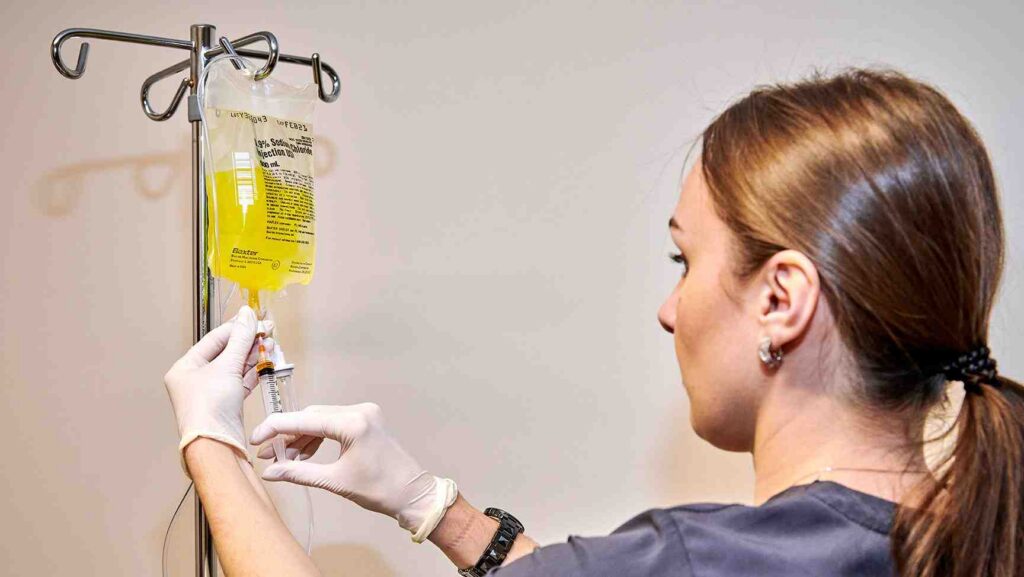
Intravenous vitamin therapy delivers vitamins, minerals, and fluids directly into your bloodstream — bypassing your digestive system entirely for near-complete nutrient absorption.
Here’s a quick overview of common IV therapy types (see our IV therapy page for the drips available at our Niles clinic):
| IV Therapy Type | Key Ingredients | Common Uses |
|---|---|---|
| Myers’ Cocktail | Vitamin C, B vitamins, magnesium, calcium | Fatigue, migraines, immune support |
| Banana Bag | Thiamine, folic acid, magnesium, multivitamin | Dehydration, undernutrition recovery |
| High-Dose Vitamin C | Ascorbic acid | Immune support |
| NAD+ Drip | Nicotinamide adenine dinucleotide | Anti-aging, energy, cellular health |
| Glutathione Drip | Glutathione antioxidant | Detoxification, skin health |
| B12 Energy Boost | Methylcobalamin or cyanocobalamin | Energy, nerve health, metabolism |
IV therapy has moved well beyond hospital wards. Today it’s available at wellness clinics, IV bars, and multidisciplinary medical centers across the country — and it’s popular with people managing chronic fatigue, pain conditions, and recovery from illness or athletic exertion.
That said, it’s important to approach IV therapy with clear, honest information. Not every claim made by wellness providers is backed by strong clinical evidence — and the treatment does carry real risks if not administered properly by licensed medical professionals.
I’m Anna Slavin, Practice Manager at Global Clinic, a multidisciplinary medical center serving the Northern Chicago area, where intravenous vitamin therapy is one of many evidence-informed treatments we offer as part of personalized care plans. Our team is here to help you understand exactly what IV therapy can — and can’t — do for your health.
What Is Intravenous Vitamin Therapy?

At its core, intravenous vitamin therapy (also known as IV micronutrient therapy or hydration therapy) is the administration of concentrated vitamins, minerals, antioxidants, and fluids directly into a patient’s venous system.
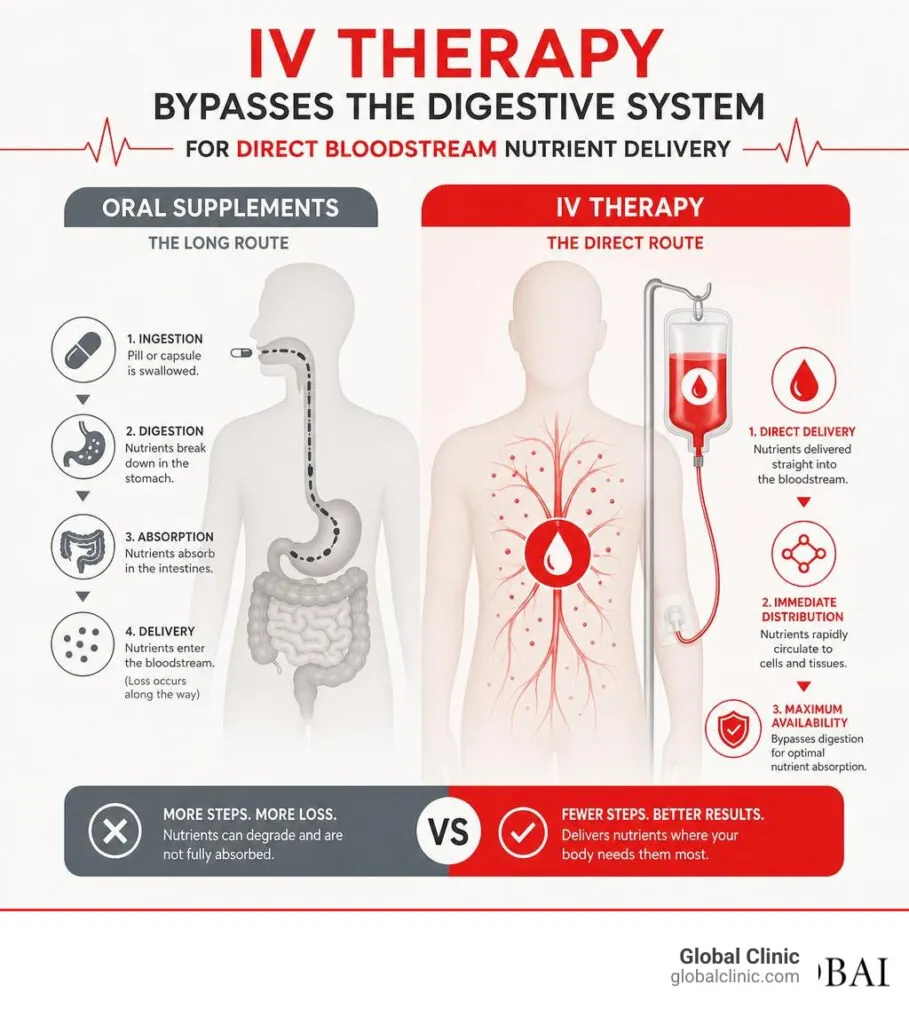
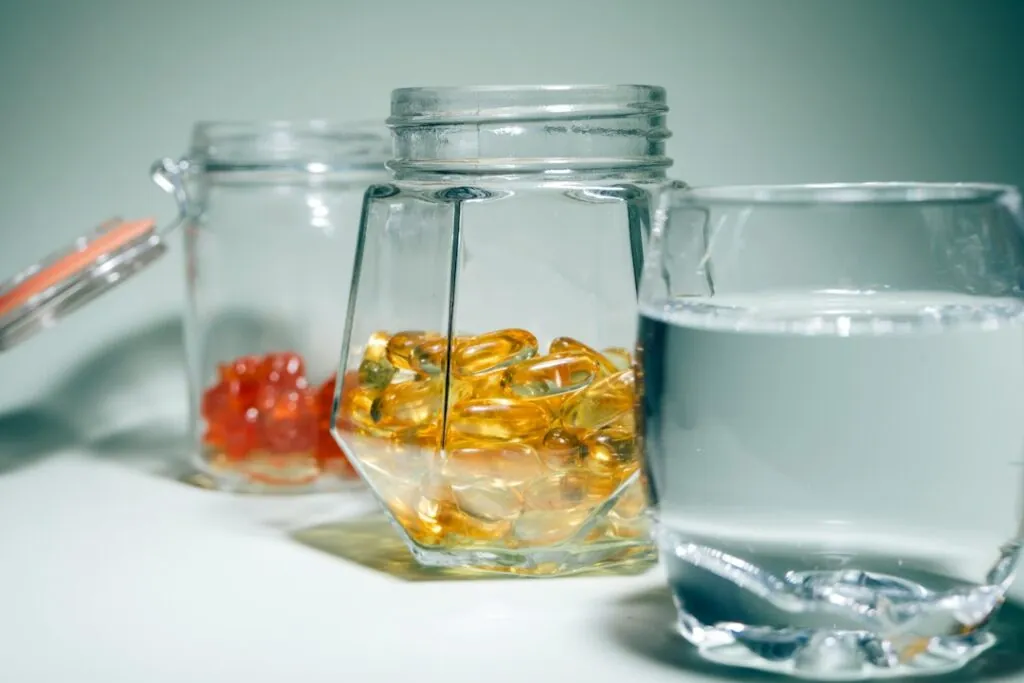
When you swallow a vitamin capsule or eat nutrient-dense food, the contents must travel through your stomach, endure highly acidic gastric juices, and pass through the small intestine before entering the hepatic portal system. This digestive gauntlet acts as a strict gatekeeper. Depending on your gut health, age, and genetics, you may only absorb a fraction of the original dose.
By bypassing the gastrointestinal tract entirely, IV therapy delivers these vital nutrients directly into your systemic circulation. This allows for rapid, high blood levels of vitamins that would be impossible to achieve through oral supplements alone. For instance, oral vitamin C absorption is strictly capped by intestinal transporters, whereas an IV infusion can raise plasma concentrations to levels many times higher.
| Feature | Oral Supplementation | Intravenous Vitamin Therapy |
|---|---|---|
| Route of Administration | Gastrointestinal tract (swallowed) | Direct venous access (intravenous) |
| Absorption Rate | Highly variable, depending on the nutrient and your gut health | Enters the bloodstream directly |
| Maximum Concentration | Limited by intestinal transport thresholds | Much higher blood levels possible |
| Systemic Hydration | Slow, dependent on fluid intake and gut absorption | Rapid hydration via saline base |
| Onset of Action | Hours to days | Nutrients reach the bloodstream immediately |
To understand more about how this mechanism works in clinical practice, you can learn more about the benefits and risks of IV therapy to see if it fits into your broader wellness strategy.
Who Can Benefit from Intravenous Vitamin Therapy?
While healthy individuals with balanced diets generally get all the nutrients they need through food, certain populations have a legitimate, medically verified need for intravenous nutrient replenishment.
First and foremost are individuals suffering from malabsorption issues. Chronic digestive conditions such as Crohn’s disease, ulcerative colitis, celiac disease, or short bowel syndrome impair the gut’s ability to absorb vital micronutrients. Patients who have undergone gastric bypass surgery also face permanent absorption challenges and often rely on regular IV therapies to prevent severe deficiencies.
Additionally, patients dealing with chronic fatigue syndrome, fibromyalgia, and chronic autoimmune conditions sometimes report feeling better after targeted IV therapies, although the evidence is limited. The high concentration of nutrients may help support mitochondrial function and cellular energy production.
Athletes undergoing intense physical training also utilize these infusions for rapid dehydration recovery and muscle repair, while individuals recovering from acute illnesses or severe dehydration find that a direct infusion of balanced electrolytes and vitamins restores physical homeostasis far more rapidly than oral fluids. If you are curious about why this approach has taken off so rapidly, you can discover why people are trying the IV bar trend in mainstream wellness culture.
Safety and Side Effects of Intravenous Vitamin Therapy
While bypassing the digestive tract has its advantages, it also removes a natural protective barrier. The body cannot easily reject an excess of nutrients once they are directly in the bloodstream, making clinical safety of paramount importance.
Potential side effects and risks include:
- Infection and Vein Irritation: Any time the skin barrier is punctured, there is a risk of introducing bacteria. Improper sterilization of equipment or poor clinical hygiene can lead to localized infections, cellulitis, or even life-threatening septic shock. Vein irritation (phlebitis) or bruising at the injection site is also relatively common.
- Fluid Overload: Introducing a large volume of saline directly into the bloodstream can strain the cardiovascular system. For patients with underlying heart or kidney conditions, this can result in fluid accumulation in the lungs or extremities.
- Electrolyte Imbalances: High doses of specific minerals can disrupt the delicate electrical balance of the heart. For example, rapid administration of magnesium or calcium can cause low blood pressure, muscle weakness, or dangerous heart arrhythmias.
- G6PD Deficiency Hemolysis: Patients with an undiagnosed genetic deficiency in the enzyme glucose-6-phosphate dehydrogenase (G6PD) can suffer life-threatening hemolysis (destruction of red blood cells) if they receive high-dose vitamin C infusions (typically over 10 grams).
For a deeper medical dive into these safety parameters, you can read the Merck Manual professional guidelines on IV therapy to understand how clinical professionals evaluate patient candidacy.
Popular IV Infusion Formulations and Ingredients
At Global Clinic, we recognize that there is no “one-size-fits-all” solution to cellular health. The specific vitamins, minerals, and antioxidants selected for an infusion are combined based on your unique health profile, symptoms, and clinical goals. To understand the full scope of what can be customized, we recommend you explore our complete guide to IV infusions.
Let’s look at the most common, clinically utilized formulations and their active components.
The Myers’ Cocktail
The Myers’ Cocktail is the absolute grandfather of intravenous vitamin therapy. Originally developed in the 1970s by Dr. John Myers, a physician in Baltimore, this classic blend has been used for decades to address chronic fatigue, acute muscle spasms, migraines, upper respiratory tract infections, and fibromyalgia.
A standard Myers’ Cocktail typically contains:
- Vitamin C (Ascorbic Acid): A powerful antioxidant that supports immune function and collagen synthesis.
- B-Complex Vitamins (including B1, B2, B3, B5, B6): Essential cofactors in cellular energy production and metabolic pathways.
- Vitamin B12 (Cobalamin): Crucial for neurological health, DNA synthesis, and red blood cell formation.
- Magnesium Chloride: Helps promote muscle relaxation, reduces vascular spasms (often relieving migraines), and supports cardiovascular health.
- Calcium Gluconate: Essential for bone health, nerve transmission, and muscle function.
To evaluate how this formula performs under scientific scrutiny, you can read about the clinical effectiveness of multivitamin infusions via the National Center for Biotechnology Information (NCBI) database.
Banana Bags and Hydration Formulas
Often seen in emergency departments and specialized outpatient clinics, “banana bags” get their signature yellow hue from the presence of B vitamins. They are primarily used to treat acute dehydration, nutritional depletion, and systemic undernutrition, particularly in patients recovering from chronic illness or severe fluid loss.
The core components of a banana bag include:
- Thiamine (Vitamin B1): Vital for glucose metabolism and protecting neurological function, especially in cases of chronic alcohol consumption or malnutrition.
- Folic Acid: Necessary for cellular division and DNA repair.
- Magnesium: To correct systemic electrolyte imbalances.
- Multivitamin Concentrate: A balanced blend of essential water-soluble vitamins.
- Isotonic Saline or Dextrose Solution: To immediately restore blood volume and cellular hydration.
If you are considering this specific recovery option, you should find out what to know about IV banana bags before scheduling a session.
Targeted Wellness Drips
Beyond the classic formulations, modern regenerative medicine utilizes highly specific molecular compounds to target distinct wellness goals:
- NAD+ (Nicotinamide Adenine Dinucleotide): NAD+ is a critical coenzyme found in every cell of your body, responsible for cellular repair, mitochondrial function, and genomic stability. Because NAD+ levels naturally decline as we age, direct infusions are used with the goal of supporting energy, mental clarity, and healthy aging.
- B12 Energy Drips: For patients struggling with chronic sluggishness, a direct infusion of methylcobalamin bypasses any potential intrinsic factor issues in the gut, helping to get your energy back with a B12 drip that rapidly supports nerve health and red blood cell production.
- Amino Acid and Glutathione Infusions: Often referred to as “skin glow” or “detox” drips, these formulations combine glutathione—the body’s master antioxidant—with targeted amino acids. Glutathione neutralizes free radicals and supports liver detoxification. To understand the cellular mechanics of these proteins, you can learn about the benefits of amino acid drips.
Scientific Evidence vs. Wellness Claims
At Global Clinic, we believe in radical transparency. While intravenous vitamin therapy is highly effective for specific medical conditions, the commercial wellness industry has occasionally stretched these benefits beyond what science currently supports.
For instance, a study evaluating 255 IV therapy facilities across all 50 states found that 100% of them made bold health claims on their websites, yet only 0.8% provided a single scientific reference to back up those assertions. Furthermore, a “secret shopper” study involving 87 different IV clinics revealed that unlicensed staff recommended specific medical therapies over the phone at 86% of the facilities.
To keep things in perspective:
- The FTC and Regulatory Action: In 2018, the Federal Trade Commission (FTC) took action against a wellness company marketing Myers’ Cocktails and other infusions, charging them with making deceptive and unsupported health claims regarding their ability to treat serious diseases like cancer, multiple sclerosis, and congestive heart failure.
- The Placebo Effect: For healthy individuals who do not have a clinically documented nutrient deficiency, much of the immediate “boost” felt after an IV session can be attributed to rapid rehydration from the saline base, combined with a strong placebo effect.
To help you make an informed decision, we encourage you to read the Harvard Health analysis on IV therapy benefits as well as the independent ConsumerLab review of IV vitamin safety. Both sources offer an objective, evidence-based look at the therapy’s limitations and legitimate uses.
Regulatory Oversight and Clinic Standards
Because elective wellness infusions are not technically FDA-approved for general health enhancement, the burden of safety falls squarely on the clinic administering the treatment.
In the United States, compounding pharmacies that prepare these customized vitamin cocktails must adhere to strict sterile compounding standards (such as Section 503A of the Federal Food, Drug, and Cosmetic Act). If infusions are compounded under unsanitary conditions, patients face severe risks. There are documented medical reports of patients developing septic shock and multi-organ failure due to contamination from improper sterilization of equipment or ingredients.
At Global Clinic, our licensed medical team screens every patient and monitors infusions. Before an infusion, we review your medical history and check vital signs such as blood pressure to help make sure the treatment is appropriate for you. If you are interested in how targeted nutrient delivery can naturally support your skin’s cellular structure, you can understand the benefits of IV therapy for skin health.
Frequently Asked Questions About IV Drips
How long does an IV vitamin infusion session take?
A typical intravenous vitamin therapy session takes between 20 to 60 minutes. The exact duration depends on the total volume of the fluid bag (usually 500mL to 1000mL), the size and health of the patient’s veins, and the specific ingredients being administered. For example, highly concentrated solutions or NAD+ infusions are administered at a much slower rate (sometimes taking 2 to 4 hours) to prevent vascular discomfort, blood pressure fluctuations, or mild nausea.
What are the contraindications for receiving an IV drip?
IV therapy is strictly contraindicated for individuals with:
- Congestive Heart Failure (CHF): The sudden increase in blood volume can overload a weakened heart.
- Renal Failure or Kidney Disease: Impaired kidneys cannot efficiently process or excrete the high volume of fluids and minerals, leading to dangerous electrolyte imbalances.
- Uncontrolled Hypertension: Rapid fluid volume expansion can dangerously elevate blood pressure.
- G6PD Deficiency: Patients must be screened before receiving high-dose vitamin C to prevent acute hemolytic anemia.
Conclusion
Intravenous vitamin therapy is a powerful tool in modern regenerative and integrative medicine—but it must be approached with clinical rigor, scientific honesty, and professional oversight. When administered correctly by licensed medical experts, it can provide rapid hydration, bypass severe malabsorption issues, and deliver therapeutic doses of essential micronutrients directly to the cells that need them most.
At Global Clinic, we serve the Northern Chicago area—including Niles, Chicago, Skokie, Glenview, Park Ridge, Morton Grove, Des Plaines, and Mount Prospect. Our multidisciplinary team is dedicated to providing personalized, evidence-based care in a state-of-the-art clinical environment. We don’t believe in trendy, one-size-fits-all “drip bars.” Instead, we integrate IV nutrient therapies into comprehensive, medically supervised treatment plans designed to address your specific pain, mobility, and wellness goals.
If you are ready to explore how a customized IV protocol can support your health journey, call our Niles clinic at (847) 299-7000 to schedule your clinical evaluation.