




Do PRP Injections Hurt? Here’s What You Need to Know Before Your First Shot
Do PRP injections hurt? The short answer: most patients experience mild to moderate discomfort — not sharp, lasting pain.
Here’s a quick breakdown:
| Stage | What You Feel | How Long It Lasts |
|---|---|---|
| During injection | Brief pinch or pressure | Seconds to minutes |
| First 24–72 hours | Soreness and swelling at injection site | 1–3 days |
| Days 3–7 | Mild tenderness, reduced swelling | Up to 1 week |
| Weeks 2–4 | Gradual improvement | A few weeks |
A few things to keep in mind right away:
- Local anesthetic is often used, which significantly reduces discomfort during the shot itself
- Post-injection soreness is normal and actually signals that healing has begun
- Many patients describe the sensation as less painful than they expected
- Your provider may advise avoiding ibuprofen and ice after your injection, as they may interfere with the healing process
If you’ve been living with chronic joint pain, tendon problems, or a stubborn sports injury in the Chicago or Niles, IL area, you may be weighing whether PRP is worth it — and whether the needle itself is something to worry about. This guide walks you through exactly what to expect, from the moment the needle goes in to the weeks of healing that follow.
I’m Anna Slavin, Practice Manager at Global Pain & Spine Clinic, where our multidisciplinary team, whose practitioners bring over 20 years of experience in the US and Europe, helps patients across Northern Chicago navigate regenerative treatments, including answering the very real question of whether PRP injections hurt and how to make the process as comfortable as possible. Whether you’re brand new to PRP or just want to know what you’re signing up for, we’ve got you covered.
Understanding PRP Therapy and the Healing Process
To understand the sensations involved, we first need to look at what is actually happening inside that syringe. Platelet-Rich Plasma (PRP) is a form of regenerative medicine that uses your own “autologous” blood to jumpstart repair. Your blood contains platelets, which are famous for clotting but are also packed with growth factors. These growth factors are the body’s “construction foremen”—they signal cells to regenerate and repair damaged tissues.
When we perform Platelet Rich Plasma therapy at our Niles clinic, we are essentially taking your body’s natural healing tools and concentrating them. By using a centrifuge to separate the platelets from the rest of your blood, we create a potent serum that can deliver 5 to 10 times the usual concentration of growth factors directly to an injury. This process is a cornerstone of unlocking healing and how PRP injections work wonders for chronic conditions that have failed to heal on their own.
Do PRP Injections Hurt During the Procedure?
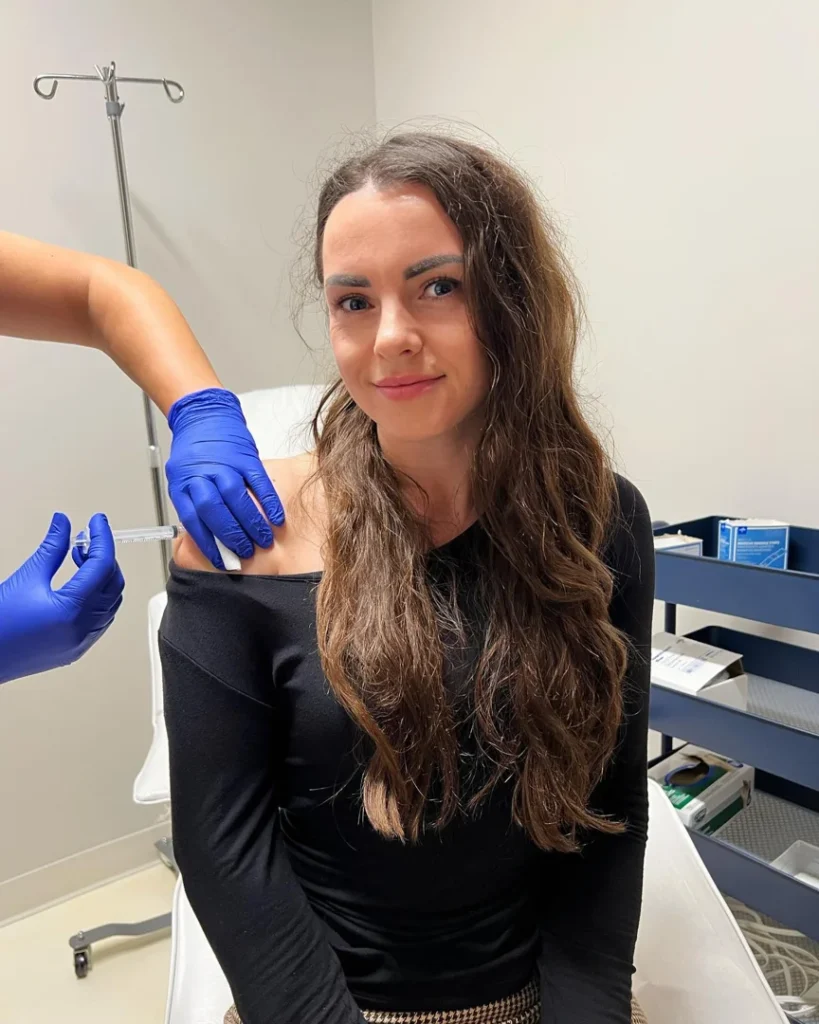
When patients ask us, “do PRP injections hurt during the actual shot?” the most common response after the procedure is, “That wasn’t as bad as I thought it would be.”
The experience is typically described as a “sharp pinch” followed by a sensation of “pressure” or a “dull ache” as the fluid enters the tissue. Because the procedure is performed in an outpatient setting and usually takes about an hour from start to finish, the actual “needle time” is very brief.
At Global Pain & Spine Clinic, we prioritize patient comfort. When appropriate, image guidance helps the needle reach the targeted tissue, which minimizes unnecessary trauma to surrounding areas. For more details on the sensory experience, you can read our guide on The Ouch Factor: What To Expect Pain Wise From Prp Injections.
Factors That Influence Whether PRP Injections Hurt
Not all injections feel the same. Several variables can shift the needle on the “ouch-meter”:
- Injection Site: Areas with high nerve density, such as the scalp (for hair restoration) or the soles of the feet (for plantar fasciitis), tend to be more sensitive than a large joint like the hip.
- Depth of Injection: Deep tissue injections into a joint or a thick tendon may cause more of a “pressure” sensation than superficial skin treatments.
- Individual Pain Tolerance: Everyone’s nervous system is unique. What feels like a 2/10 to one person might feel like a 5/10 to another.
- Condition Severity: If an area is already highly inflamed, the mere act of introducing more fluid can cause temporary discomfort.
Comparing Sensations: Do PRP Injections Hurt More Than Steroids?
Many of our patients in Niles and Des Plaines have previously had corticosteroid (cortisone) shots. When comparing the two, there is a distinct difference. Cortisone is an anti-inflammatory; it’s designed to shut down pain and swelling almost instantly.
PRP is the opposite. It is pro-inflammatory. It uses inflammation to heal. Therefore, while the needle pinch is similar, the “after-burn” of PRP can be more significant than a steroid shot. However, while steroids provide temporary relief and can sometimes weaken tissues over time, PRP aims for long-term structural repair.
| Feature | Steroid Injections | PRP Injections |
|---|---|---|
| Immediate Sensation | Numbing/Relief | Pressure/Ache |
| Primary Goal | Mask Inflammation | Stimulate Healing |
| Long-term Impact | Potential tissue weakening | Aims to support tissue repair |
| Recovery Pain | Low | Moderate (2-3 days) |
Why Pain Increases After PRP: The Inflammatory Response
It can be alarming when you leave the clinic and find that your pain actually increases a few hours later. We want to reassure you: this is a good sign.
PRP works by triggering a deliberate, localized inflammatory response. The concentrated platelets activate proinflammatory pathways, including TNFα and NF-κB, which act as a “flare” to attract the body’s repair cells. This inflammatory surge typically peaks within 48 to 72 hours. During this window, you may experience:
- Increased swelling
- Heat at the injection site
- A “throbbing” sensation
This phase is necessary for neovascularization (the growth of new blood vessels) and collagen production. Without this temporary discomfort, the healing process wouldn’t get the “kickstart” it needs. For a deeper dive into managing this specific phase, see our PRP Pain Management Ultimate Guide.
Minimizing Discomfort: What Can Be Done to Minimize Pain?
We don’t believe you should have to “tough it out” unnecessarily. There are several medical tools we use to ensure quality platelet-rich plasma injection services are as comfortable as possible:
- Topical Numbing: For sensitive areas like the scalp or face, we apply high-strength numbing creams (lidocaine/tetracaine) 20–30 minutes before the procedure.
- Local Anesthetic: We can use a small amount of lidocaine to numb the skin and the path the needle will take.
- Nerve Blocks: In some cases, a nerve block may be used to numb the area being treated.
- Image Guidance: When appropriate, imaging helps the provider avoid nerves and other sensitive structures, making the process smoother.
- Relaxation Techniques: Never underestimate the power of deep breathing. Our team is trained to walk you through the process, ensuring you stay calm and relaxed, which actually lowers your perception of pain.
If you are concerned about the safety of these additives, you can explore our research on whether PRF injections are safe, as the principles of comfort and safety are very similar.
Recovery Timeline: What to Expect After Your Injection
Recovery isn’t an overnight event; it’s a journey. Many patients follow a similar timeline:
- Day 1-3 (The Inflammatory Peak): This is when the question “do PRP injections hurt” is most relevant. You will likely feel sore. This is the time for “relative rest.”
- Day 4-7 (The Subsiding Phase): Swelling begins to go down. The “throbbing” turns into a mild tenderness. You can usually return to light daily activities.
- Week 2-4 (The Repair Phase): The initial inflammation is gone, and the body is busy building new tissue. You might start noticing the first signs of functional improvement.
- Month 3-6 (The Remodeling Phase): This is where the magic happens. Many patients notice the most improvement around this time, although results vary.
For specific advice on different body parts, check out our PRP for shoulder pain guide or our complete guide to PRF injections.
Immediate Aftercare (0-72 Hours)
What you do in the first three days is critical.
- Pain Relief: Ask your provider which pain reliever is appropriate for you.
- Avoid NSAIDs: Unless your doctor tells you otherwise, avoid ibuprofen (Advil/Motrin) and naproxen (Aleve), as they may block the inflammatory response that PRP is trying to create. Do not stop aspirin or other prescribed medications without talking to your doctor.
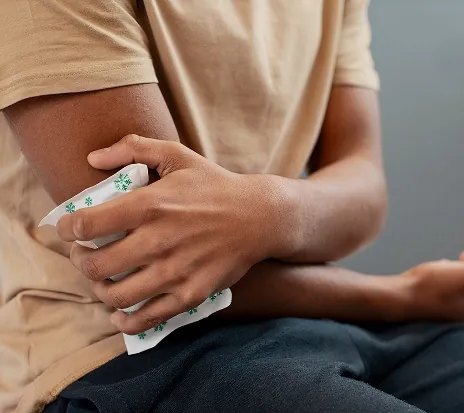
- Use Heat, Not Ice: While ice is great for standard injuries, it can blunt the PRP response. Use a heating pad for 15–20 minutes to soothe the ache.
- Stay Hydrated: Your cells need water to regenerate.
- Rest: Give the treated area a break. If we treated your ankle, avoid long walks for a few days.
Long-Term Healing and Results
Unlike a “quick fix” that wears off, PRP results tend to build over time. As the growth factors stimulate collagen and improve joint lubrication, many patients find that the initial soreness is worth the improved mobility that may follow. If you are looking for a provider, our PRP injections near me guide can help you find the right fit in the Northern Chicago suburbs.
Frequently Asked Questions about PRP Pain
How long does post-PRP injection pain typically last?
For most patients, the “peak” pain lasts 24 to 72 hours. A lingering, mild soreness or tenderness at the site can persist for about 5 to 7 days. If you are treating a tendon (like the Achilles), it may take up to two weeks for the area to feel “settled” again.
Why should I avoid ibuprofen after my injection?
PRP relies on the body’s natural inflammatory cascade to heal. NSAIDs like ibuprofen are specifically designed to stop that cascade. Taking them is like hiring a construction crew (PRP) and then telling them they aren’t allowed to use any tools (NSAIDs). Ask your provider which pain reliever to use during this time.
When should I seek medical attention for severe pain?
While soreness is normal, you should contact us at Global Pain & Spine Clinic if you experience:
- Fever or chills
- Red streaks radiating from the injection site
- Pain that gets significantly worse after the first week rather than better
- Loss of sensation or extreme weakness in the limb
Conclusion
At Global Clinic, we serve the Northern Chicago community—from Niles and Skokie to Evanston and Des Plaines. We know that the idea of a needle can be daunting, especially when you’re already in pain. Our goal is to make the answer to “do PRP injections hurt” as boring as possible by using expert technique, personalized numbing options, and a multidisciplinary care approach that supports you through every stage of recovery.
Regenerative medicine is a powerful tool for reclaiming your lifestyle without surgery. If you’re ready to move past chronic pain and want to see if this innovative treatment is right for you, call (847) 299-7000 to schedule an appointment for PRP injections at our clinic in Niles. Let’s start your healing journey together.