






Why Understanding Platelet-Rich Plasma Matters for Your Healing Journey

Injection for platelets—often called Platelet-Rich Plasma (PRP) therapy—uses your body’s own healing components to treat pain and injuries without surgery. Here’s what you need to know:
What is it? A concentration of your own platelets (2-8 times normal levels) injected into damaged tissue to accelerate healing.
How it works:
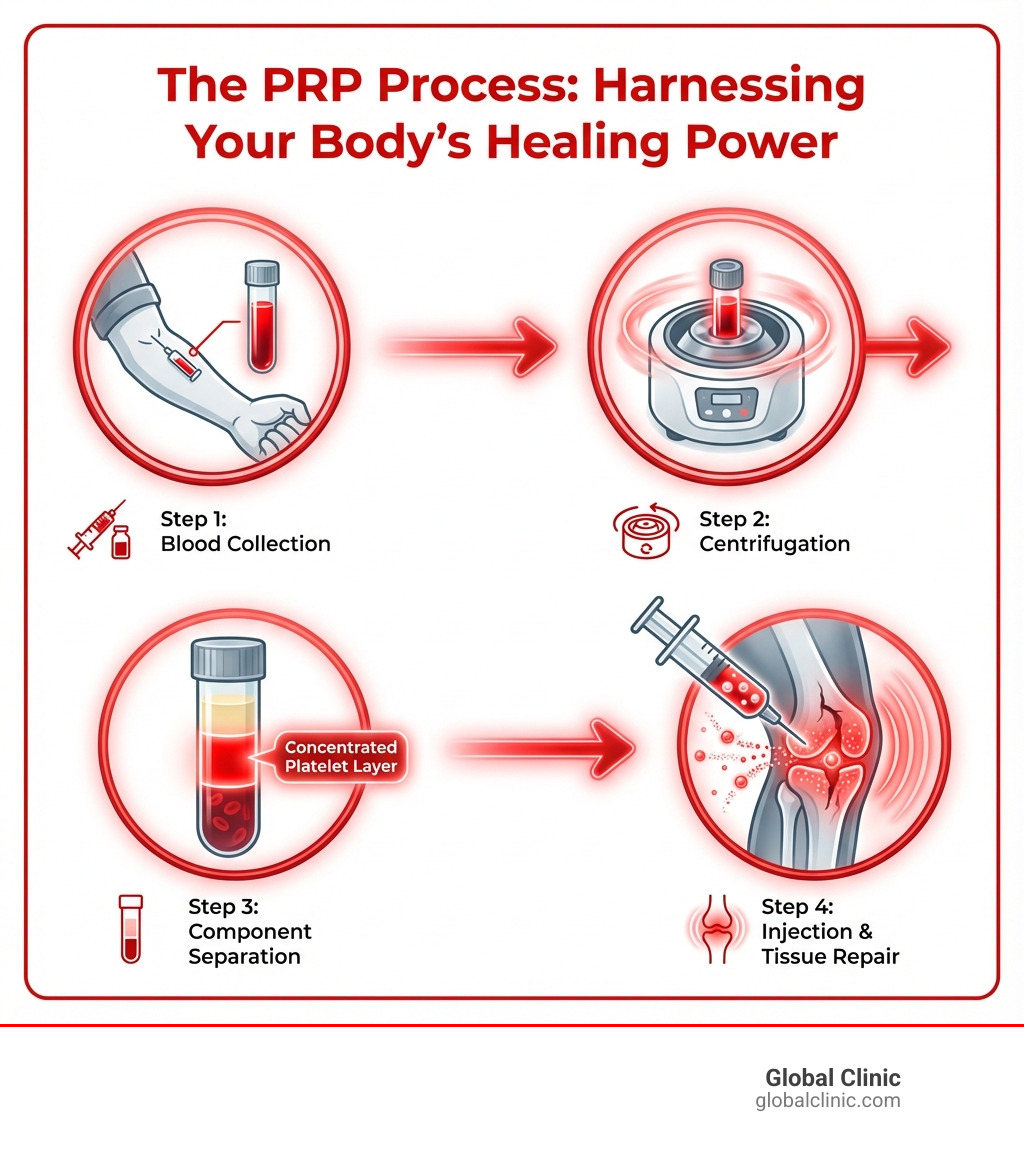
- Blood is drawn from your arm
- Blood is spun in a centrifuge to concentrate platelets
- Concentrated plasma is injected into the injured area
- Platelets release growth factors that stimulate tissue repair
What it treats:
- Chronic tendon injuries (tennis elbow, Achilles tendonitis)
- Ligament and muscle strains
- Knee osteoarthritis
- Plantar fasciitis
Key benefits:
- Reduced pain and inflammation
- Improved function
- Less need for pain medication
- Uses your own blood (minimal side effects)
In recent years, doctors have learned that the body has remarkable ability to heal itself. PRP therapy harnesses this natural healing power by concentrating the very cells responsible for tissue repair—your own platelets. Unlike traditional treatments that simply mask pain, PRP addresses the root cause by triggering your body’s healing cascade.
The treatment has gained attention from professional athletes to weekend warriors seeking relief from chronic pain. What makes PRP particularly appealing is its regenerative approach—it doesn’t just manage symptoms but actually promotes tissue healing at the cellular level.
I’m Ana Vinikov, Practice Manager at Global Clinic, where we’ve helped countless patients in Northern Chicago find lasting relief through injection for platelets and other regenerative therapies. Over our 20 years of combined global experience, we’ve witnessed how PRP transforms lives by reducing pain and restoring function without surgery.
Understanding the Building Blocks: What Are Plasma and Platelets?
Before diving deeper into the wonders of Platelet-Rich Plasma therapy, it’s helpful to understand the fundamental components that make it all possible: plasma and platelets. These are two vital parts of your blood, each playing a crucial role in maintaining health and initiating healing throughout your body.
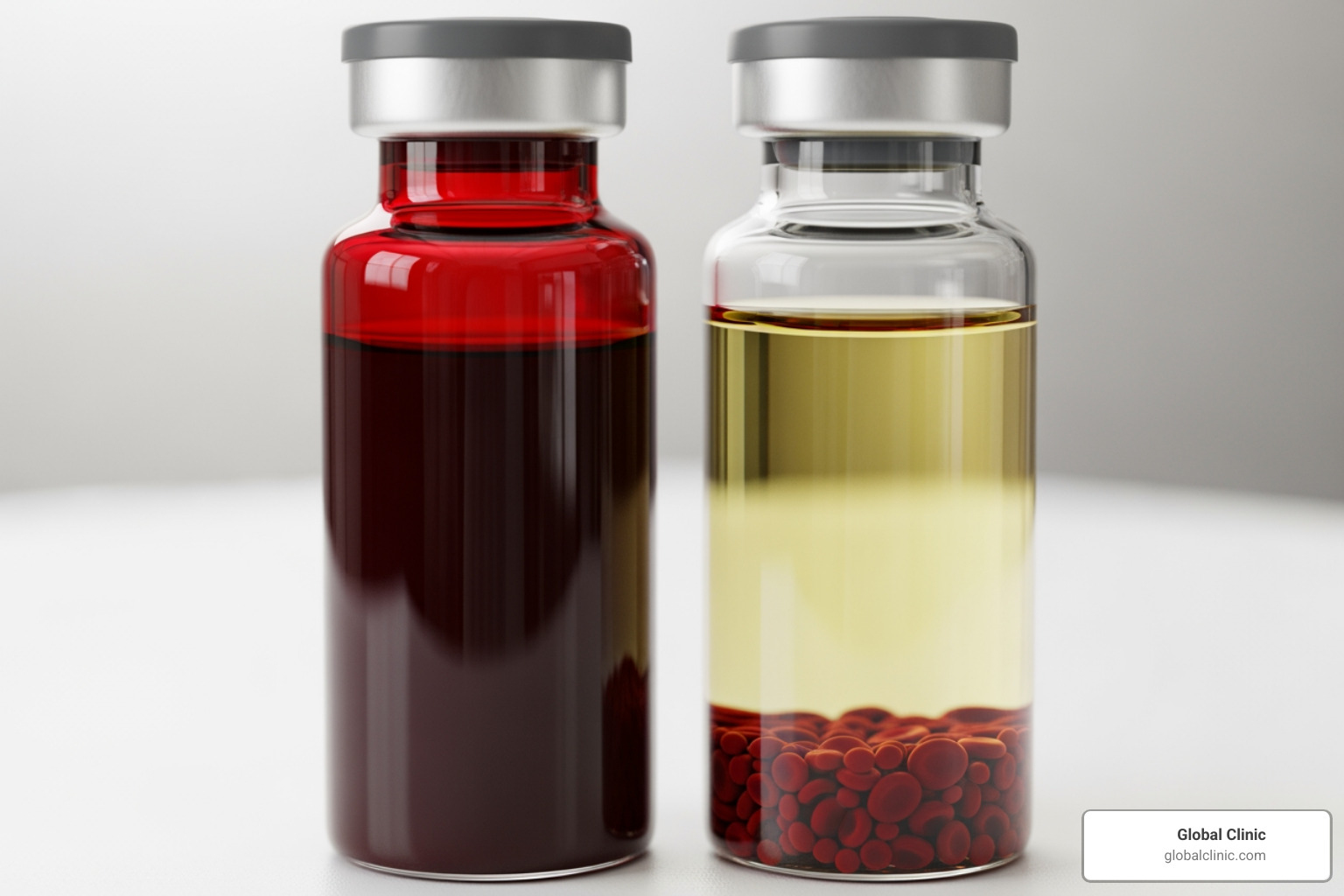
Let’s start with plasma. Imagine your blood as a busy highway. Plasma is the clear, yellowish liquid that serves as the main medium for everything else to travel in. It makes up about 55% of your total blood volume and is largely composed of water (around 92%), but it’s far from just water. This liquid gold is packed with essential proteins, salts, enzymes, antibodies, and other substances that transport nutrients, hormones, and proteins to the parts of the body that need them. It also carries waste products away. Without plasma, our blood cells wouldn’t have a way to circulate, and our body wouldn’t be able to deliver critical resources or remove harmful byproducts.
Next, we have platelets, also known as thrombocytes. These aren’t full cells, but rather tiny, irregularly shaped cell fragments that are absolutely essential for healing. Their primary and most well-known role is to stop bleeding. When you get a cut or injury, platelets rush to the site, clump together, and form a plug to seal the wound. This is the first step in forming a blood clot. But their role extends far beyond simply plugging holes. Platelets are like tiny first responders carrying a toolkit of growth factors and other bioactive proteins. When activated, they release these potent substances, which are crucial for triggering cell reproduction and stimulating tissue regeneration. These growth factors signal to other cells in the body to come to the injury site, repair damaged tissue, and even grow new, healthy tissue.
Plasma provides the transport system, and platelets are the healing agents. Together, they form the foundation of your body’s incredible ability to repair itself. To learn more about these fascinating components and their role in healing, you can explore our detailed information on More info about Platelet-Rich Plasma.
What is Platelet-Rich Plasma (PRP) Therapy?
Platelet-Rich Plasma (PRP) therapy is an innovative regenerative medicine approach that leverages your body’s natural healing capabilities. At its core, PRP is a concentrated solution derived from your own blood, specifically designed to improve the healing process in injured or damaged tissues.
The magic of PRP lies in its “autologous” nature, meaning it comes directly from your own body. This significantly reduces the risk of allergic reactions or disease transmission, as we’re simply reintroducing your own biological material in a more potent form. The process involves drawing a small sample of your blood, much like a routine blood test. This sample is then processed to concentrate the platelets to a level far beyond what’s found in normal blood—typically anywhere from 2 to 8 times their normal number. Some studies even suggest concentrations can be increased by up to 500% to maximize therapeutic effect. This concentrated solution, rich in platelets and their powerful growth factors, is what we call Platelet-Rich Plasma.
PRP stands out from other regenerative medicine approaches, such as stem cell therapies, by focusing on activating existing healing mechanisms rather than introducing new cells. While stem cell therapies might involve more complex procedures, PRP offers a less invasive way to stimulate regeneration. Our team at Global Clinic is dedicated to exploring all avenues of regenerative medicine to provide personalized solutions for our patients across Northern Chicago. For more information on how regenerative therapies can help you, visit our page on More info about Regenerative Joint Therapy.
How PRP Therapy Promotes Healing
So, how exactly does this concentrated platelet solution work its healing magic? Once the injection for platelets is administered into the injured area, the activated platelets begin to release a potent cocktail of growth factors. These aren’t just any proteins; they are specific signaling molecules that play a critical role in tissue repair and regeneration.
These growth factors effectively “wake up” and stimulate the body’s reparative cells, encouraging them to proliferate and migrate to the site of injury. Think of them as tiny cheerleaders, urging your body’s natural repair crew to work faster and more efficiently. This surge in growth factors significantly improves your body’s natural healing process, accelerating tissue repair and regeneration.
Beyond stimulating cell growth, PRP also plays a crucial role in reducing inflammation. Chronic inflammation can hinder healing, but the anti-inflammatory properties of PRP can help calm the affected area, creating a more conducive environment for repair. Furthermore, PRP promotes the development of new collagen, which is the primary structural protein found in connective tissues like tendons, ligaments, and cartilage. This new collagen helps to strengthen and rebuild damaged tissues, restoring their integrity and function.
One of the significant benefits we’ve observed in our practice is PRP’s potential to reduce the need for pain medication, including opioids and anti-inflammatory drugs. By addressing the underlying tissue damage, patients often experience sustained pain relief, lessening their reliance on daily medications.
How is PRP Different from Platelet-Rich Fibrin (PRF)?
While both Platelet-Rich Plasma (PRP) and Platelet-Rich Fibrin (PRF) use a patient’s own blood components to promote healing, there are subtle yet important differences in their preparation and how they deliver growth factors. At Global Clinic, we understand these distinctions to ensure we recommend the most appropriate regenerative therapy for your unique needs.
The primary difference lies in the centrifugation process—how the blood is spun to separate its components. PRP typically involves a faster spin cycle, which separates the blood into distinct layers, allowing for the isolation of a liquid platelet-rich plasma layer. This results in a highly concentrated solution of platelets that can be injected directly into the target area, delivering a burst of growth factors.
PRF, on the other hand, is usually prepared with a slower centrifugation speed. This gentler process allows for the creation of a fibrin matrix, a natural scaffold that traps platelets, white blood cells, and growth factors within a gel-like substance. This fibrin matrix acts like a slow-release system, allowing growth factors to be released gradually over a longer period. This sustained release can be beneficial for certain applications, offering a prolonged healing stimulus.
Another key distinction is the absence of anticoagulants in PRF preparation, allowing the blood to naturally clot and form the fibrin matrix. PRP often uses an anticoagulant to keep the plasma in a liquid state for easier injection.
Both PRP and PRF are autologous therapies, meaning they use your own blood, and both are powerful tools in regenerative medicine. The choice between them often depends on the specific condition being treated, the desired release profile of growth factors, and the tissue environment. For a deeper dive into the nuances of these cutting-edge therapies, explore our page on More info about Platelet-Rich Fibrin.
The PRP Procedure: From Blood Draw to Injection for Platelets
The journey of an injection for platelets is a straightforward and minimally invasive process that we perform right here in our Northern Chicago clinics. It typically takes less than an hour from start to finish, allowing you to get back to your day with minimal disruption.
The procedure begins with patient preparation. We ensure you’re well-hydrated and have had adequate nutrition before your appointment to minimize the chance of feeling lightheaded during the blood draw. Once you’re comfortable, a small amount of blood is drawn from your arm, similar to a standard blood test. The volume of blood collected depends on the area being treated, but it’s usually around 30-60 milliliters.
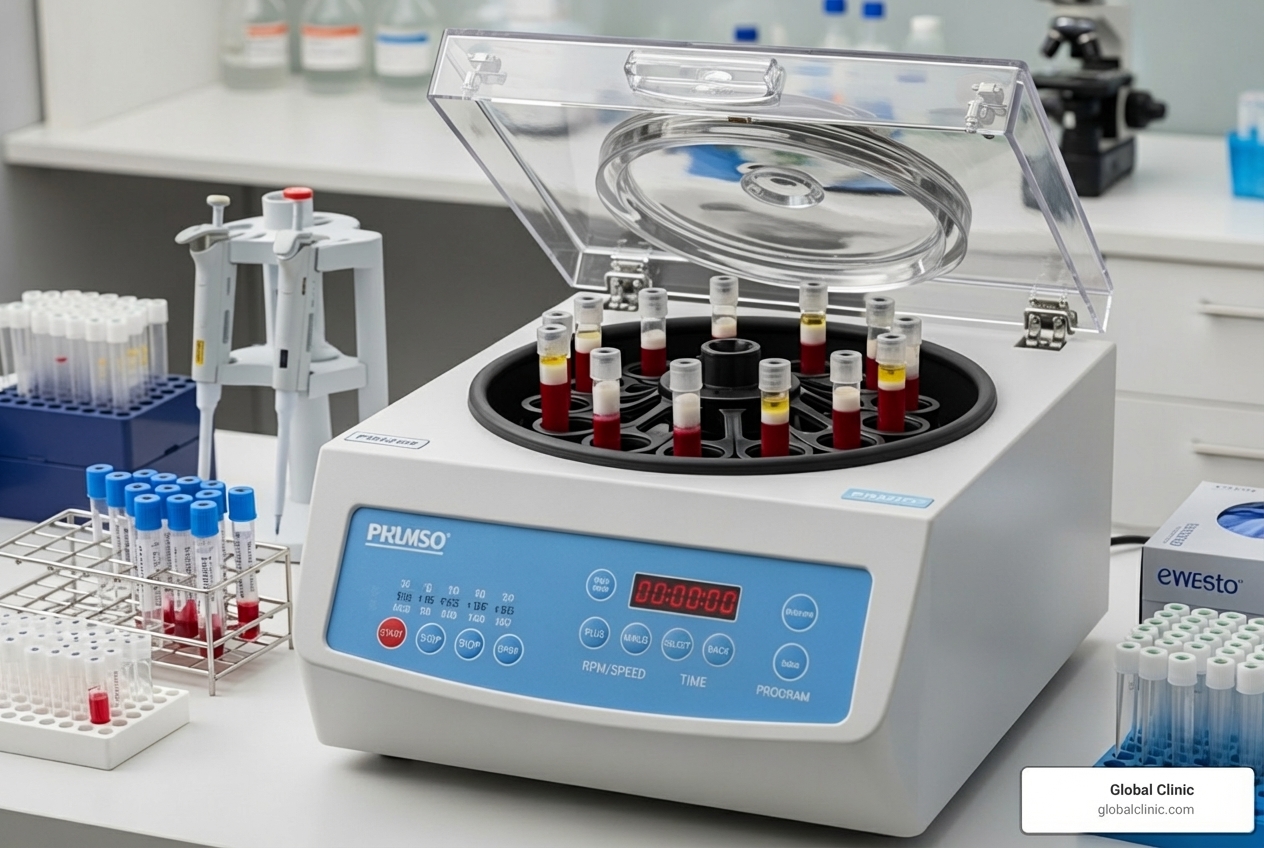
This blood sample is then placed into a specialized device called a centrifuge. This is where the magic of concentration happens. The centrifuge spins the blood at high speeds, causing the different components—red blood cells, white blood cells, plasma, and platelets—to separate based on their density. Our goal is to isolate and concentrate the platelets, achieving that therapeutic level of 2 to 8 times their normal number. The entire centrifugation process usually takes less than 15 minutes.
Once the centrifugation is complete, we carefully extract the platelet-rich plasma layer. This golden-hued liquid is now ready to be precisely administered to the injured area. If you’re curious to see how a PRP injection procedure looks, you can watch a helpful demonstration on Watch a PRP injection procedure.
Preparing the PRP Concentrate
The preparation of the PRP concentrate is a critical step that dictates the quality and effectiveness of the final injection. After the blood draw, the vial is immediately placed into a specialized centrifuge. This machine is designed to perform a precise spinning cycle that separates the blood into its distinct components.
During centrifugation, the heavier red blood cells settle at the bottom, while the lighter plasma and platelets remain in the upper layers. We then carefully extract the plasma layer that contains the highest concentration of platelets. This platelet-rich layer is carefully isolated, ensuring that we get the optimal concentration of platelets and their beneficial growth factors. This concentrated solution is then prepared for injection, often mixed with a small amount of the patient’s plasma. The precision in this step ensures that the final injection for platelets is potent and ready to stimulate healing.
Administering the Injection for Platelets
Once the PRP concentrate is prepared, the next crucial step is administering the injection for platelets directly into the target area. Our priority is accuracy and patient comfort.
Before the injection, we typically apply a local anesthetic to numb the treatment area, minimizing any discomfort you might feel. For many of our PRP treatments, especially those involving joints, tendons, or ligaments, we use ultrasound guidance. This advanced imaging technique allows our medical professionals to visualize the exact location of the damaged tissue in real-time, ensuring the precise placement of the PRP injection. This accuracy is paramount for maximizing the therapeutic effect and delivering the growth factors directly where they are needed most.
After the injection, we provide specific post-injection care instructions. It’s critical to avoid anti-inflammatory medications such as Advil, Motrin, Ibuprofen, Aleve, Celebrex, or Mobic for at least the first week. These medications can interfere with the natural inflammatory response that PRP initiates, which is a key part of the healing cascade. We also advise against icing the treated area during this initial period for the same reason. For pain relief, Tylenol (acetaminophen) is generally a safe alternative. Patients might also be advised to limit certain activities for a few days, and in some cases, a cam walker or soft cast may be recommended for 3-4 days to protect the treated area. Most patients can return to normal gym activities in about 3-4 weeks, depending on the injury and individual healing response.
Conditions Treated and Potential Benefits of PRP
The versatility of PRP therapy makes it a powerful tool in our regenerative medicine arsenal, offering hope for a wide array of conditions that cause chronic pain and impair function. The primary goal of an injection for platelets is to harness your body’s healing mechanisms to reduce pain, improve function, and ultimately lessen the need for ongoing pain medication.
We’ve seen compelling results in patients who have struggled with persistent pain, often for years. PRP injections have been demonstrated to improve function and reduce pain in people who have tendonitis or chronic tendinosis conditions. The results are often most noticeable after several weeks for joint injections, as your body gradually rebuilds and repairs the damaged tissue. This gradual improvement is a testament to the biological healing process that PRP initiates. To learn more about how PRP can specifically help with tendon issues, visit our page on More info about PRP for Tendinopathy.
Musculoskeletal Injuries and Conditions
PRP therapy has gained significant attention for its application in various musculoskeletal injuries and conditions. Here at Global Clinic, we frequently use PRP to treat:
- Tendonitis and Tendinosis: This includes common conditions like tennis elbow (lateral epicondylitis), golfer’s elbow (medial epicondylitis), Achilles tendinosis, and patellar tendinopathy (jumper’s knee). These conditions often involve chronic degeneration of tendon tissue, and PRP can stimulate repair and reduce pain.
- Ligament and Muscle Injuries: From sprains to strains, PRP can aid in the healing of damaged ligaments and muscles, accelerating recovery and improving tissue strength. This is particularly beneficial for athletes aiming for a quicker return to play.
- Plantar Fasciitis: This common cause of heel pain, often resistant to conventional treatments, has shown promising responses to PRP, helping to repair the inflamed plantar fascia tissue.
- Meniscal Tears and Rotator Cuff Tears: While the evidence for some of these conditions is still evolving, PRP is being explored as a complementary treatment to improve healing and reduce pain, especially for partial tears.
Many of these conditions cause persistent pain that can significantly impact daily life. By promoting tissue repair, PRP offers a chance for sustained relief and improved mobility, often reducing the need for long-term pain management strategies. For a comprehensive look at how injections can target joint pain, check out More info about Joint Injection Therapy.
Osteoarthritis and Cosmetic Applications
Beyond acute injuries, PRP therapy has shown significant promise in managing chronic degenerative conditions like osteoarthritis and even in certain cosmetic applications.
For knee osteoarthritis, recent data suggests that PRP treatment is superior to hyaluronic acid injections, especially regarding the duration of its positive effect. Patients often report reduced pain and improved joint function, allowing them to engage more actively in daily life. Emerging data even suggests that PRP combined with hyaluronic acid might be more effective than either treatment alone for knee osteoarthritis. This highlights the potential for synergistic effects when combining regenerative approaches.
| PRP Application for Knee Osteoarthritis | Potential Benefits |
|---|---|
| Pain Reduction | Decreased joint pain and stiffness |
| Improved Function | Improved mobility and range of motion |
| Cartilage Health | Slowed degeneration, potential for repair |
| Reduced Medication Need | Less reliance on NSAIDs and pain relievers |
| Longer-Lasting Effects | Superior duration compared to hyaluronic acid |
In the field of aesthetics, PRP has found unique applications:
- Hair Loss (Alopecia): For individuals experiencing male pattern baldness or other forms of alopecia, PRP injections into the scalp can stimulate hair follicles, promoting new hair growth and preventing further hair loss. The results for scalp injections are typically most noticeable after about six months.
- Skin Rejuvenation: PRP is also used in cosmetic procedures, sometimes referred to as a “PRP facial” or “vampire facial.” When applied topically or injected into the skin, the growth factors can stimulate collagen production, improve skin texture, reduce fine lines, and improve overall skin radiance.
These diverse applications underscore the powerful regenerative capabilities of your own platelets. For those interested in the cosmetic benefits, particularly for facial rejuvenation, you can find more detailed information on our More info about Platelet-Rich Plasma Facial.
Differentiating Platelet Injections: PRP vs. Other Platelet Therapies
When we talk about “injection for platelets,” it’s crucial to understand that not all platelet-related injections are the same. Platelet-Rich Plasma (PRP) therapy is a localized, regenerative treatment focused on repairing damaged tissue. However, there are other types of injections that involve platelets or plasma, but they serve entirely different medical purposes, primarily addressing systemic blood disorders rather than musculoskeletal pain or tissue repair.
PRP is fundamentally an autologous therapy, meaning it uses your own blood components to stimulate healing in a specific, targeted area. The safety profile is generally very high because we’re using your own biological material. Our focus at Global Clinic is on leveraging PRP’s ability to initiate and improve your body’s natural tissue repair and regeneration processes.
PRP vs. Systemic Platelet Therapies
It’s important to distinguish PRP from systemic platelet therapies, which are medications or transfusions designed to address conditions affecting your overall blood platelet count, rather than localized tissue healing. Two common examples of systemic platelet therapies that are often confused with PRP are Romiplostim injection and intravenous plasma injection.
Romiplostim Injection (Nplate®)
What is Romiplostim injection, and how does it differ from PRP therapy?
Romiplostim, known by its brand name Nplate®, is a completely different type of injection from PRP. Unlike PRP, which is derived directly from your blood and injected locally to heal tissue, Romiplostim is a man-made protein medicine. It acts as a thrombopoietin receptor agonist, meaning it mimics a natural protein in your body (thrombopoietin, or TPO) that stimulates your bone marrow to produce more platelets. It’s a systemic medication, affecting your entire body’s platelet production, not just a localized area.
What are the approved uses for Romiplostim injection?
Romiplostim is approved for specific and serious blood conditions:
- Chronic Immune Thrombocytopenia (ITP): It treats low blood platelet counts (thrombocytopenia) in adults and children (1 year and older) with chronic ITP when other treatments, like corticosteroids or immunoglobulins, have not worked well enough. The goal is to keep the platelet count around 50,000 per microliter to lower the risk for bleeding, not to normalize counts. Nplate® has been proven to BOOST AND SUSTAIN PLATELETS in 5 clinical studies of adults and children with ITP.
- Acute Radiation Syndrome: It’s also used to treat low platelets caused by bone marrow syndrome resulting from radiation sickness.
What are the potential side effects and risks of Romiplostim injection?
Because Romiplostim works systemically and affects bone marrow, it carries significant side effects and risks:
- Bone Marrow Changes: Can cause changes in bone marrow, including increased reticulin formation and potential fibrosis.
- Blood Clots: High platelet levels increase the risk of serious blood clots like heart attacks, strokes, or portal vein thrombosis.
- Worsening of Precancerous Conditions: Romiplostim is not for use in people with myelodysplastic syndromes (MDS) as it can worsen the condition and potentially lead to acute leukemia.
- Worsened Thrombocytopenia after Stopping: Suddenly stopping treatment can cause platelet counts to drop lower than before, increasing bleeding risk.
- Common Side Effects: Includes headache, dizziness, joint/muscle pain, nausea, and trouble sleeping.
- Serious Allergic Reactions: Though rare, severe allergic reactions are possible.
Patients or doctors can report serious side effects to the FDA’s MedWatch program online at https://www.fda.gov/Safety/MedWatch or by phone at 1-800-332-1088. Further detailed information can be found in the prescribing information and medication guide for Nplate® at http://pi.amgen.com/unitedstates/nplate/nplatepihcpenglish.pdf.
Intravenous Plasma Injection
What is intravenous plasma injection, and when is it used?
Intravenous plasma injection, often referring to Fresh Frozen Plasma (FFP) transfusion, is another systemic therapy that is distinct from PRP. This involves administering plasma from a donor directly into a patient’s vein (intravenously). Its purpose is to replace multiple coagulation (clotting) factors that may be deficient.
It is used in critical situations such as:
- Coagulation Factor Deficiencies: In patients with acquired deficiencies due to severe liver disease.
- Surgical Procedures: For patients undergoing complex procedures like heart surgery or liver transplant, where there’s a need to quickly restore clotting ability.
- Thrombotic Thrombocytopenic Purpura (TTP): Used in plasma exchange procedures for patients with TTP, a rare blood disorder that causes widespread clotting in small blood vessels.
What are the potential side effects and risks of intravenous plasma injection?
As with any blood product transfusion, intravenous plasma carries risks:
- Allergic Reactions: Can cause serious allergic reactions, including anaphylaxis.
- Fluid Overload: Carries risks of heart failure or pulmonary edema (fluid in the lungs).
- Blood Clotting Problems: Can sometimes lead to new or worsened clotting issues.
- Citrate Toxicity/Hypocalcemia: Rapid, large-volume transfusions can lead to low calcium levels (hypocalcemia).
- Viral Transmission: A very low, theoretical risk of viral transmission exists despite rigorous screening.
More information on intravenous plasma can be found on the Mayo Clinic’s website: https://www.mayoclinic.org/drugs-supplements/plasma-intravenous-route/description/drg-20060825.
In summary, while all these therapies involve blood components, PRP is a localized, autologous regenerative treatment for tissue repair, while Romiplostim and intravenous plasma are systemic treatments for serious blood disorders and coagulation issues. It’s crucial not to confuse these distinct medical interventions.
Conclusion
We’ve explored the fascinating world of injection for platelets, specifically focusing on Platelet-Rich Plasma (PRP) therapy. We’ve seen how this innovative treatment harnesses your body’s innate ability to heal itself by concentrating your own platelets and their powerful growth factors. From understanding the fundamental roles of plasma and platelets to detailing the precise preparation and administration process, we hope you now have a clearer picture of what PRP entails.
PRP offers a compelling alternative for managing various musculoskeletal injuries and chronic conditions, including tendonitis, ligament tears, and osteoarthritis, as well as showing promise in cosmetic applications like hair restoration. Its potential benefits—reducing pain, improving function, and lessening the reliance on pain medication—are truly transformative for many patients. We’ve also highlighted the critical distinction between PRP and systemic platelet therapies like Romiplostim and intravenous plasma, emphasizing that PRP is a targeted regenerative approach for tissue healing.
At Global Clinic, we are committed to providing personalized, innovative care in our state-of-the-art facilities across Northern Chicago. Our experienced team is dedicated to helping you achieve lasting relief and improved quality of life. If you’re seeking a non-surgical solution that taps into your body’s natural healing power, PRP therapy might be the answer you’ve been searching for.
We encourage you to take the next step in your healing journey. To find out if PRP is the right treatment option for you, we invite you to visit our dedicated page: Find out if PRP is right for you. Our team is here to answer your questions and guide you toward a healthier, more active future.