


Understanding the Timeline for PRP Effectiveness

How long does it take for prp injections to work? Most patients begin noticing initial improvements within 4-6 weeks, with maximum benefits typically appearing between 3-6 months. However, the exact timeline varies significantly depending on what you’re treating and your individual healing response.
Quick Timeline Overview:
- Joint Pain & Arthritis: Initial soreness for 3-7 days, gradual improvement over a few weeks, full effects at 3-6 months
- Tendon Injuries: Soreness for 7-10 days, full healing may take 3-4 months
- Hair Loss: Mild results at 3-6 months, noticeable difference at 9-12 months
The reason PRP doesn’t work overnight is straightforward: it triggers your body’s natural healing cascade rather than masking symptoms. When concentrated platelets are injected into damaged tissue, they release growth factors that initiate a multi-phase healing process. Your body then does the real work of rebuilding tissue, which simply takes time.
If you’re considering PRP therapy or have recently received injections, understanding this timeline helps set realistic expectations. Many patients worry when they don’t feel better immediately, or even when they experience more discomfort in the first week. This is actually normal—and often a sign the treatment is working.
I’m Ana Vinikov, Practice Manager at Global Clinic, where I’ve spent over two decades helping patients steer regenerative treatments and understand realistic expectations for how long does it take for prp injections to work. My passion is ensuring every patient knows what to expect at each stage of their healing journey so they can make informed decisions about their care.
Key terms for how long does it take for prp injections to work:
The Science of Healing: Why PRP Results Aren’t Immediate
When we talk about Platelet-Rich Plasma (PRP) therapy, we’re not just offering a quick fix; we’re tapping into your body’s incredible natural ability to heal itself. This is why understanding how long does it take for prp injections to work requires a little dive into the biology behind it.
PRP is a form of regenerative medicine that uses properties found in your own blood to stimulate healing. The process begins with a simple blood draw, much like a routine lab test. That blood sample is then placed into a specialized machine called a centrifuge.
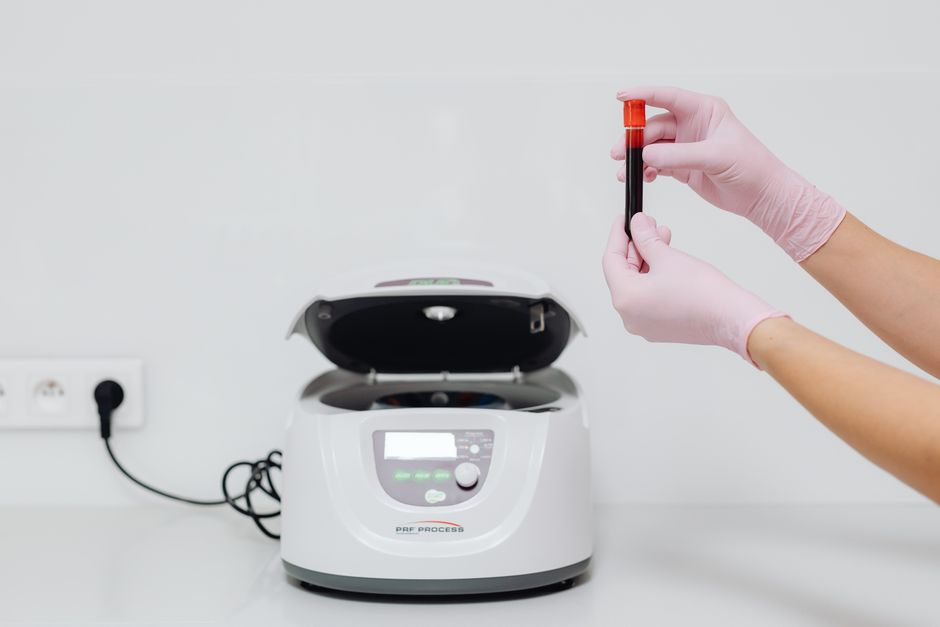
The centrifuge spins the blood at high speeds, separating its components. What we’re left with is a concentrated solution of platelets suspended in a small volume of plasma – this is the “Platelet-Rich Plasma.” Platelets are tiny blood cells, but they are mighty! They are packed with proteins called growth factors. These growth factors are the true heroes of PRP therapy. For more detailed information on this remarkable treatment, explore our guide on Platelet-Rich Plasma.
Once we inject this concentrated PRP into the injured or damaged area, these growth factors are released. They act as messengers, kickstarting a “healing cascade” directly at the site of injury. This isn’t an instant pain reliever; instead, it’s a biological signal that tells your body, “Hey, there’s work to be done here! Start rebuilding!” This process of tissue regeneration and the growth of new, healthy tissue simply takes time. You can learn more about the scientific backing of these growth factors in this scientific research on growth factors.
The Three Phases of PRP-Stimulated Healing
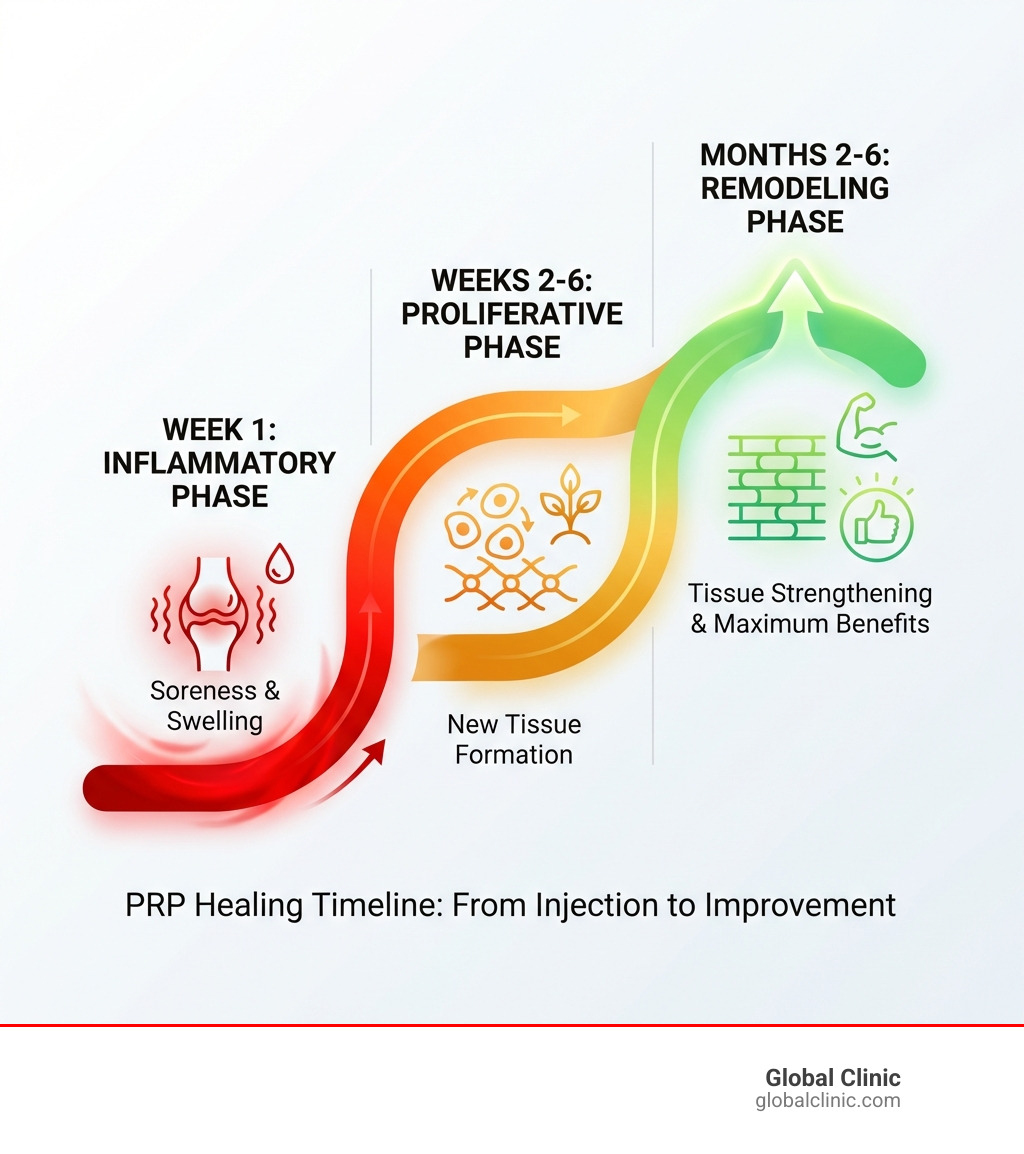
The body’s healing process, activated by PRP, unfolds in a series of distinct, overlapping phases. This phased approach is crucial to understanding why results are not immediate but rather gradual and sustained.
Inflammatory Phase (Up to 7 Days): Immediately after the injection, the concentrated platelets trigger a controlled inflammatory response. This might sound counterintuitive, as inflammation is often associated with pain. However, in this context, it’s a necessary first step. The growth factors signal immune cells to clear away damaged tissue and prepare the area for new growth. During this phase, it’s normal to experience some soreness, swelling, or discomfort. This initial “flare-up” is a sign that the healing process has begun.
Proliferative Phase (1 to 6 Weeks): Following the initial inflammatory response, the body moves into the proliferative phase. This is where the real rebuilding begins. Growth factors stimulate the production of new cells, collagen, and blood vessels. New, healthy tissue starts to form, laying the groundwork for repair. This is typically when patients might start to notice initial signs of improvement, such as reduced pain or increased function.
Remodeling Phase (6 Weeks to 6+ Months): The final and longest phase is remodeling. During this period, the newly formed tissue matures, strengthens, and reorganizes itself to better match the original healthy tissue. This continuous process can last for several months, or even longer, depending on the severity and type of injury. Maximum benefits, such as significant pain reduction and improved mobility, are often observed towards the end of this phase.
This natural, biological process is why patience is key with PRP therapy. We’re not just putting a bandage on a wound; we’re helping your body construct a stronger, healthier foundation from within.
How Long Does It Take for PRP Injections to Work? A Breakdown by Condition
Understanding how long does it take for prp injections to work is highly dependent on what condition we’re treating and your body’s unique healing capacity. There isn’t a one-size-fits-all answer, as each injury or condition responds at its own pace. However, we can provide general timelines based on common applications.
Initial signs of improvement, such as reduced discomfort or subtle changes, may become noticeable within two to six weeks following the procedure. More substantial and noticeable results usually take several months to fully manifest. For many conditions, significant improvements are observed between three to six months after treatment.
Understanding the Timeline: How long does it take for PRP injections to work for joint pain?
For conditions affecting joints, tendons, and ligaments, PRP therapy aims to repair and regenerate damaged tissues. This includes issues like osteoarthritis, tendinopathy (e.g., tennis elbow, Achilles tendinitis), and various joint pains.
- Initial Soreness and Swelling (3-7 Days): Immediately after a joint injection, it’s common to experience some soreness and possible swelling for about 3 to 7 days. This is part of the initial inflammatory phase, signaling that the healing process has begun. For tendons, this soreness might last a bit longer, perhaps 7 to 10 days.
- Gradual Improvement (4-6 Weeks): Many patients begin to see initial improvements in pain reduction and function within 4 to 6 weeks. This corresponds with the proliferative phase, where new tissue is starting to form.
- Maximum Benefits (3-6 Months): For many joint conditions and tendinopathies, the maximum benefits are typically observed between 3 to 6 months after the injection. This is when the remodeling phase is well underway, and the new tissue has had time to mature and strengthen. For tendons, the full effects could take up to 3-4 months to be fully appreciated.
- Success Rate: While individual results vary, for mild to moderate knee arthritis, about 80% of patients report good results for 1-2 years. Similarly, for partial tendon and ligament tears, about 80% of patients report long-term results, although more than one injection might be needed, and severe complete tears are less likely to respond. PRP has also shown promising results for conditions like shoulder pain, which you can learn more about in our PRP for Shoulder Pain Guide. We also offer comprehensive solutions for various joint issues through Regenerative Joint Therapy.
A Different Pace: How long does it take for PRP injections to work for hair loss?
PRP for hair loss involves stimulating dormant hair follicles and promoting new hair growth. This process has a different timeline compared to musculoskeletal conditions because hair growth cycles are inherently slower.
- Mild Results (3-6 Months): Patients typically start to see mild results, such as reduced hair shedding or some new growth, within 3 to 6 months after their scalp injections. This initial period allows the growth factors to stimulate the hair follicles and initiate a new growth cycle.
- Noticeable Difference (9-12 Months): A more noticeable difference in hair density and thickness usually becomes apparent between 9 to 12 months. This longer timeline reflects the natural speed of hair growth and the time it takes for the new hair to mature.
- Maintenance Sessions: The results of PRP treatment for hair loss are not permanent. Patients may require additional injections at the direction of their doctor to maintain the benefits. This might involve follow-up sessions every 6 to 12 months, depending on individual response and the progression of hair loss. For more information on treatments, visit our page on Hair Loss.
These are general timelines. Factors such as the severity of your condition, your overall health, age, and adherence to post-treatment care instructions can all influence your individual timeline for seeing results.
Maximizing Your Recovery and Results
Getting a PRP injection is just the first step on your healing journey. To truly optimize the answer to how long does it take for prp injections to work for you, maximizing your recovery and supporting the healing process is crucial. Your active participation in aftercare plays a significant role in the success and longevity of your PRP treatment.
Immediate Aftercare: The First 7 Days
The first week following your PRP injection is vital for setting the stage for effective healing.
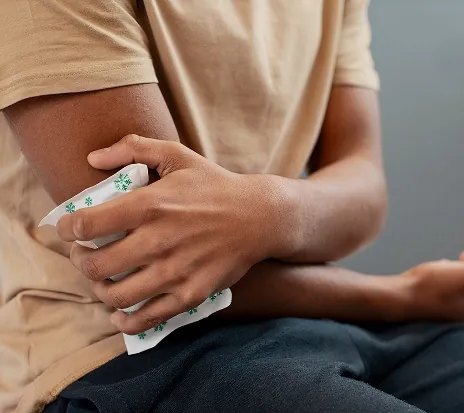
- Managing Soreness and Swelling: It’s completely normal to experience some discomfort, swelling, or a “flare-up” at the injection site. This is often a sign that the PRP is initiating its inflammatory healing cascade. We generally recommend the RICE method (Rest, Ice, Compression, Elevation) to help manage these symptoms. Elevation aids in reducing swelling by promoting fluid drainage, and ice application is effective for controlling discomfort.
- Activity Modification: For the first 24-48 hours, it’s best to rest the treated area and limit strenuous activities. For joint injections, this might mean taking it easy for a few days. For hair loss treatments, avoid washing your hair or using harsh products immediately after.
- Avoiding NSAIDs: This is a big one! Non-steroidal anti-inflammatory drugs (NSAIDs) like ibuprofen, aspirin, or naproxen should be avoided for at least two weeks post-treatment. These medications can interfere with the natural inflammatory process that PRP is designed to initiate, potentially hindering its effectiveness. If you need pain relief, acetaminophen (Tylenol) is generally a safe alternative. For more insights on pain management, visit our page on Effective Pain Management.
- Hydration: Staying well-hydrated is always a good idea, but especially important during any healing process. Drink plenty of water to support your body’s cellular functions.
Long-Term Strategies to Improve Healing
Beyond the immediate aftercare, several long-term strategies can significantly support your body’s healing capabilities and improve the results of your PRP treatment.
- Nutrition: Fuel your body with a nutrient-rich diet. Focus on lean proteins, leafy greens, and foods rich in vitamins and omega-3 fatty acids. These provide the building blocks and micronutrients necessary for tissue repair and regeneration.
- Avoiding Smoking and Limiting Alcohol: Both smoking and excessive alcohol consumption can impede the healing process. Smoking restricts blood flow and introduces harmful toxins, while alcohol can interfere with inflammation and nutrient absorption. For optimal results, we advise refraining from these during your recovery period.
- Following Provider Instructions: Your medical provider will give you specific post-procedure instructions custom to your condition and the injection site. This might include guidelines on when to resume exercise, specific stretches, or physical therapy. Adhering to these instructions diligently is paramount.
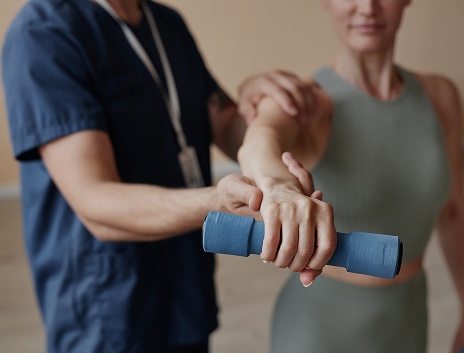
- Physical Therapy: For musculoskeletal conditions, physical therapy often plays a crucial role in conjunction with PRP injections. It helps to strengthen the surrounding muscles, improve range of motion, and address any biomechanical issues that may have contributed to the original injury. This integrated approach can lead to more robust and long-lasting outcomes. Learn more about how physical therapy can support your recovery in our Physical Therapy Back Complete Guide.
By actively participating in your recovery and making mindful lifestyle choices, you can truly maximize the benefits of your PRP therapy and help your body heal more effectively.
PRP Recovery Timeline: What to Expect Compared to Other Approaches
When considering treatments for pain or injury, it’s helpful to understand how different approaches compare, especially regarding recovery timelines. At Global Clinic, we offer a range of solutions, and PRP therapy stands out for its unique healing mechanism and recovery profile. Understanding how long does it take for prp injections to work in comparison to other methods can help set realistic expectations.
| Treatment Type | Initial Relief | Full Healing/Effect | Typical Recovery (Downtime/Pain) | Mechanism |
|---|---|---|---|---|
| PRP Injections | Gradual (weeks) | 3-6 months | Minimal downtime; 3-7 days soreness (joints), 7-10 days (tendons) | Stimulates natural healing & tissue regeneration |
| Steroid Injections | Rapid (days) | Temporary (weeks-months) | Minimal downtime; 1-2 days soreness | Reduces inflammation; masks pain |
| Surgery | Varies (weeks) | Months to over a year | Significant downtime; weeks-months of intense rehab | Structural repair; invasive |
| Physical Therapy | Gradual (weeks-months) | Ongoing | Minimal to no downtime; some exercise-induced soreness | Strengthens, improves mobility, addresses biomechanics |
PRP vs. Steroid Injections: Steroid injections are known for providing rapid, short-term pain relief by reducing inflammation. However, they don’t promote healing and, in some cases, can even inhibit tissue repair over time. The relief is often temporary, lasting weeks to a few months. With PRP, while initial relief is more gradual, the goal is long-term healing and regeneration of tissue, not just masking symptoms. Research has shown PRP to be more effective than corticosteroids in managing conditions like lateral epicondylitis. You can see a comparison of platelet-rich plasma and corticosteroids in this meta-analysis of randomized controlled trials.
PRP vs. Surgery: Surgery typically involves a much longer and more intensive recovery period. Depending on the procedure, patients can face weeks to months of significant downtime, pain management, and dedicated rehabilitation. While surgery is sometimes necessary for severe injuries, PRP offers a minimally invasive alternative that leverages the body’s natural healing without the extensive recovery associated with surgical interventions. The recovery time after a PRP injection is usually quick and much less than surgery. For those recovering from surgical procedures, we also provide comprehensive Post Treatment Rehabilitation services.
PRP’s Unique Approach: PRP therapy focuses on stimulating your body’s intrinsic healing processes. This means that while you might not experience immediate, dramatic relief like with a steroid shot, the improvements you gain are often more sustainable because they stem from actual tissue repair. The initial soreness after PRP is often a sign that the healing cascade has begun, a stark contrast to the anti-inflammatory action of steroids. Our approach at Global Clinic is to always seek the most effective, least invasive path to long-term wellness.
Frequently Asked Questions about PRP Timelines
We often hear many questions about PRP, especially concerning timelines and expectations. Here, we address some of the most common inquiries to further clarify how long does it take for prp injections to work.
How long do the effects of PRP treatment last?
The effects of PRP treatment are generally not permanent, but they can be long-lasting. The duration varies significantly depending on the condition being treated, its severity, and individual patient factors.
- Joint Pain and Musculoskeletal Injuries: For conditions like osteoarthritis, tendinopathy, or ligament injuries, the benefits of PRP can last anywhere from 6 months to a year or even longer. Many patients experience continued improvement in symptoms for several months during this period. However, since PRP stimulates natural healing, it doesn’t stop the underlying degenerative processes (like arthritis) entirely. This means that while the damaged tissue is repaired, ongoing wear and tear can eventually lead to a return of symptoms.
- Hair Loss: For scalp injections, the results are most noticeable after about six months, with significant differences appearing around 9-12 months. To maintain these results, patients typically require additional “maintenance” injections. These might be scheduled every 6-12 months, depending on the individual’s response and the progression of hair loss.
Because the results are not permanent, many patients opt for repeat injections as needed to sustain the benefits. Your doctor will help determine the optimal schedule for any follow-up treatments.
Are there different types of PRP that affect results?
Yes, there are indeed different types of PRP, and the specific preparation method can influence the outcomes and even the post-injection experience. The lack of a single, standardized process for preparing PRP has been a topic of discussion in the medical community. In fact, there’s been “a call for a standard classification system for future biologic research: the rationale for new PRP nomenclature” to better categorize and understand these variations. You can read more about this in this research paper.
The main distinctions often lie in:
- Platelet Concentration: The density of platelets in the final PRP solution can vary. Higher concentrations are generally believed to deliver more growth factors, potentially leading to more robust healing.
- Presence of White Blood Cells (Leukocytes):
- Leukocyte-Rich PRP (LR-PRP), sometimes called “Red PRP”: This type contains a higher concentration of white blood cells along with platelets. While white blood cells can contribute to the inflammatory response and healing, some studies suggest that for certain conditions, they might also increase post-injection pain or have a catabolic (breakdown) effect on tissues. LR-PRP tends to cause more of a “flare-up” or soreness after the injection, which might last longer.
- Leukocyte-Poor PRP (LP-PRP), sometimes called “Amber PRP”: This preparation has most of the white blood cells removed. It generally results in less post-injection soreness or flare-up, and if discomfort occurs, it typically doesn’t last as long.
- Customization: At most clinics, the blood is processed in a centrifuge with limited ability to customize the PRP, often resulting in a “one size fits all” approach. However, advanced systems allow for customization of the volume and concentration of the PRP, tailoring it more precisely to the patient’s specific condition and needs.
The type of PRP used can affect the intensity and duration of the initial post-injection flare-up, as well as the overall timeline for seeing results. Your medical provider at Global Clinic will discuss the most appropriate PRP preparation for your specific condition.
How many PRP injections will I need?
The number of PRP injections required varies significantly based on several factors:
- Condition Severity: Acute, less severe injuries might respond well to a single injection. Chronic conditions, degenerative issues like osteoarthritis, or more severe injuries often require a series of injections.
- Treatment Area: Different body parts and tissues have varying healing capacities. For example, hair loss treatments typically involve a series of initial injections, followed by maintenance sessions.
- Individual Response: Everyone’s body heals differently. Some patients respond remarkably well to one injection, while others may need two or three to achieve optimal results.
- Provider Protocol: Our specialists at Global Clinic will develop a personalized treatment plan based on your specific needs. Typically, for chronic conditions, we might recommend an initial series of 1 to 3 injections, spaced several weeks apart. This allows us to assess your response and ensure adequate stimulation of the healing process.
A follow-up evaluation will be scheduled to monitor your progress and determine if additional injections are necessary. The goal is always to achieve the best possible outcome for your long-term health and well-being.
Conclusion: Your Path to Recovery with PRP
Understanding how long does it take for prp injections to work is crucial for anyone considering or undergoing this innovative regenerative therapy. We’ve seen that PRP is not a magic bullet for instant relief, but rather a powerful catalyst that empowers your body’s natural healing mechanisms. This means patience is truly key, as the gradual process of tissue regeneration unfolds over weeks and months.
At Global Clinic, we pride ourselves on offering personalized, innovative care in a state-of-the-art facility right here in Northern Chicago. Our experienced team is dedicated to guiding you through every step of your healing journey, from the initial consultation to celebrating your long-term results. We believe in managing expectations with honesty and transparency, ensuring you understand the science behind PRP and what to anticipate along your unique timeline.
If you’re looking for a comprehensive approach to pain management and healing, we invite you to connect with us. Find how our personalized PRP treatments can help you achieve lasting relief and improved function.